
Add Row
Add Element
Rider Safety News
update
Rider Safe News
update
Add Element
  • Home
  • Categories
  • Featured Business Profiles
  • Moto Rally News & Motorcycle Sweepstakes
January 02.2026
1 Minute Read

Biker Community and Mental Wellness: Unite for Support

Imagine the rumble of your motorcycle beneath you, laughter echoing among friends, and the feeling of the wind wiping away the weight of the day. For many, the biker community and mental wellness are inseparable—a bond forged not just on the open road, but in shared stories, struggles, and triumphs. This article explores how being part of a supportive biker community offers a lifeline to mental health, and why connecting through the act of riding can be both transformational and healing.
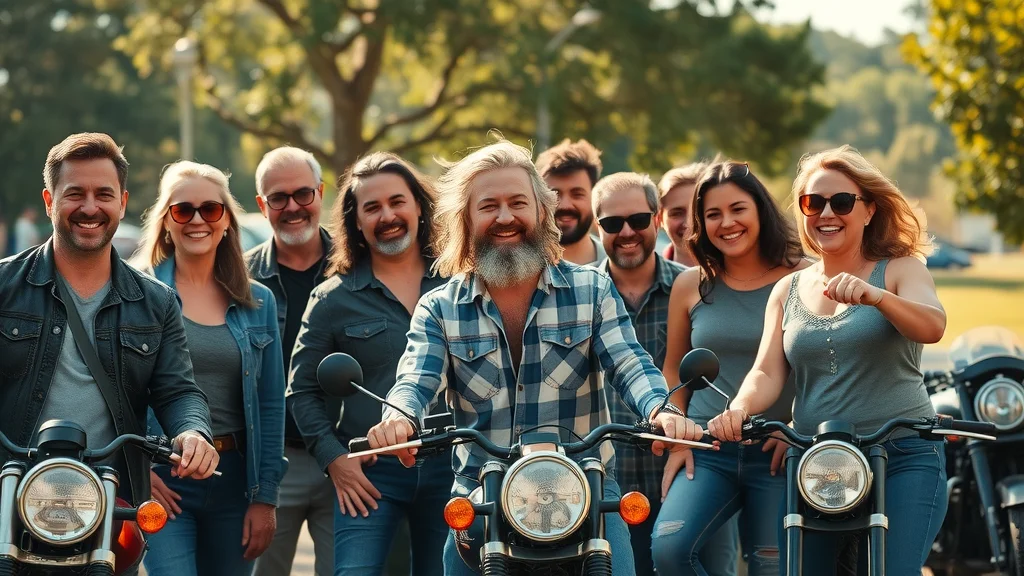
Dynamic group of diverse bikers gathered together at a sunlit outdoor meetup, motorcycles and trees in background, friendly camaraderie — biker community and mental wellness

The Powerful Connection Between the Biker Community and Mental Wellness

At first glance, the biker community may appear to be centered around the thrill of riding a motorcycle and the call of the open road. Yet, beneath the surface, these groups form deep, supportive networks—creating a sense of community that goes far beyond shared interests in motorbikes. In recent years, discussions around mental health have become more common in the biker world, challenging stereotypes while emphasizing the importance of emotional resilience and support. Riding together not only allows individuals to find peace in the present moment, but also fosters stronger connections and empathy as riders share their mental health journeys.

The act of riding forms a bridge between mind and body—offering an escape from the demands of modern life and a powerful tool for stress relief. Whether it’s a sunrise ride through rolling hills or a group gathering at a local café, bikers often speak about the mental clarity, camaraderie, and sense of belonging that come from being part of the community. Through honest conversation and meaningful opportunities, the motorbike community exists to create a haven where healing, acceptance, and solidarity are core values. This is why the biker community and mental wellness are so deeply entwined.

While the biker community is a powerful source of support, it's also important for riders to stay informed about safety issues that can impact both physical and mental wellbeing. For example, recent developments like the 2025 Kawasaki motorcycle recall and its potential crash hazards highlight how awareness and proactive action are essential for maintaining peace of mind on the road.

Personal Insights: Finding Strength and Solidarity through Riding a Motorcycle

Many bikers describe their first ride as the beginning of a transformation in their mental health. The open road, with its ever-changing scenery and constant movement, offers a unique space to clear the mind—a chance to let worries melt away and find peace. For those who struggle with anxiety or the pressures of daily life, being part of the bike community is often more than just about motorcycles; it's about forging relationships founded on mutual respect and shared experience.

Riders share stories of how the community has helped them during tough times, whether through group rides focused on mental health awareness, lending a listening ear, or simply providing a distraction from negative thoughts. From organized events to casual meetups, bikers rally around one another—reminding everyone that no road has to be traveled alone. This ongoing solidarity demonstrates just how critical the biker community is for mental wellness and long-term emotional support.

Mental Health and the Open Road: Why the Biker Community Matters

The allure of the open road is not just about speed or adventure—it's also about reconnecting with oneself in a hectic world. As a culture, motorcycling emphasizes self-reliance while nurturing collectiveness, ensuring that every member knows they are valued. This balance provides meaningful opportunities for self-reflection and growth, contributing to overall mental health and wellbeing of the motorbike community.

The benefits extend far beyond riding—the conversations that happen during rest breaks, coffee stops, or maintenance sessions often become lifelines for those coping with stress or emotional turmoil. Group rides, charity events, and awareness campaigns have put mental health at the forefront of biker gatherings, creating a legacy where support and understanding are as central as the motorcycles themselves. For many, the bike community offers a safe space to break the silence around mental health, making the journey toward wellness a shared adventure.

What You'll Learn About Biker Community and Mental Wellness

  • How the biker community supports mental health
  • The mental health benefits of riding a motorcycle
  • Stories of solidarity and healing
  • Practical ways to enhance wellness through biking
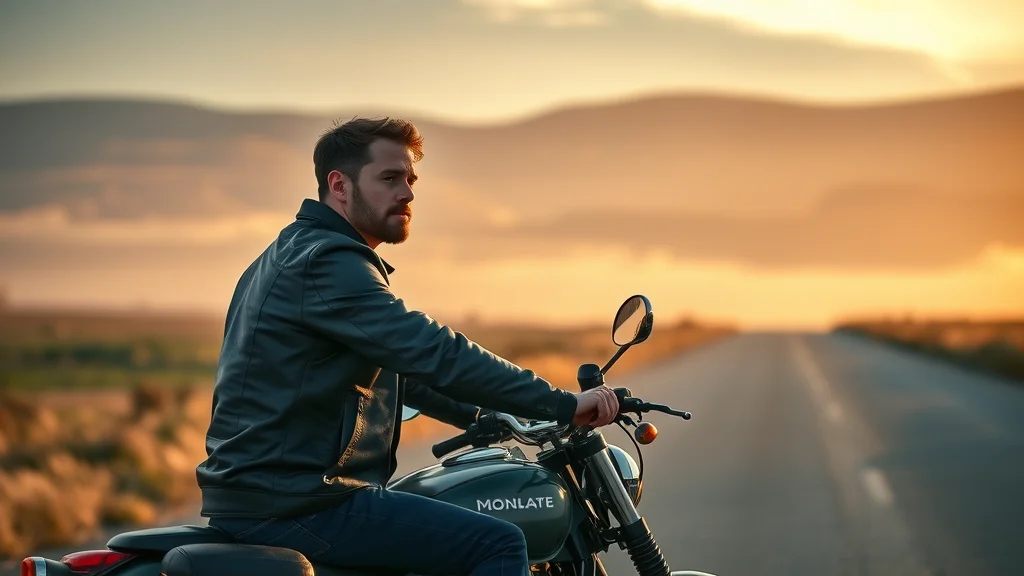
Serene lone biker riding a motorcycle on an open road at sunrise, calm and contemplative, highlighting mental health motorbike benefits

Mental Health Motorbike Culture: Tradition and Transformation

The tradition of motorbiking is rich with rituals and unspoken rules—which are now evolving as mental health moves to the forefront of community discussions. Decades ago, vulnerability and openness were rarely mentioned alongside leather jackets and chrome, but today, outreach and advocacy efforts have created new space for dialogue within motorbike culture.

Clubs organize rides focused expressly on destigmatizing mental health challenges, with groups like "Mind and Machine" and "Riders for Resilience" leading the charge. This transformation embraces the idea that the biker community and mental wellness are not mutually exclusive. In fact, the culture now reflects a growing understanding that mental health motorbike initiatives not only foster better individuals but also create a more resilient, compassionate, and united community.

How Mental Health Conversations Shape the Biker Community

Openness about mental health has shifted biker culture in powerful ways, eroding the stigma that used to surround open dialogue. Today, it’s not uncommon for club meetings to include check-ins on mental wellbeing, or for group rides to double as awareness events supporting organizations dedicated to mental health first aid. These conversations create a holistic perspective on health motorbike values, blending care for machines with care for the mind.

By weaving emotional support into the fiber of their tradition, bikers make each ride a safe space where every member can be their authentic self. This transformation is not only reducing isolation and preventing crises, but also inspiring future generations to uphold the values of empathy, advocacy, and solidarity. As more riders and clubs adopt these changes, the culture of motorcycling becomes a movement that champions both freedom and mental health.

“The open road isn’t just a stretch of asphalt, it’s a path to clarity and calm.”

Health Benefits of Riding a Motorcycle: Science and Experience

The health benefits of riding a motorcycle aren't just anecdotal; research shows that the act of riding boosts cognitive function, improves mood, and enhances physical fitness. Whereas activities like jogging or yoga offer stress relief in their own ways, the unique combination of focus, coordination, and freedom found on a motorbike gives riders a multifaceted mental health lift. Many describe riding as meditative—demanding present-moment awareness while simultaneously providing an emotional release.

Riders report heightened senses, reduced anxiety, and greater self-confidence on and off the road. The strong sense of accomplishment felt after successfully navigating a scenic route or overcoming personal fears adds further to the experience. The occasional adrenaline rush, sense of mastery, and support network built by the bike community also amplify these health benefits, making riding a motorcycle a truly comprehensive approach to mental wellness.

Comparing Mental Health Benefits: Riding a Motorcycle vs. Other Activities
Activity Mental Clarity Stress Relief Sense of Community Physical Engagement
Riding a Motorcycle High High Strong Moderate
Jogging Moderate High Moderate High
Yoga High Moderate Low Low
Cycling (Solo) Moderate Moderate Low High
Team Sports Low Moderate Very Strong High

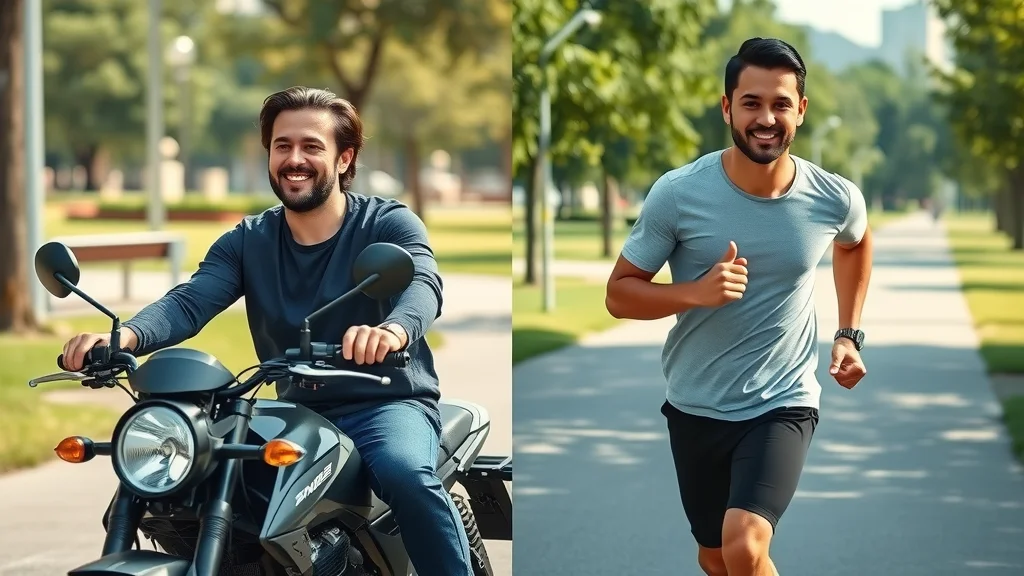
Comparative lifestyle: person on motorcycle and jogger side by side in an urban park — health benefits and stress relief

The Stress Relief Factor: Why the Open Road Heals

Many bikers will tell you that nothing quite compares to the stress relief provided by a ride on the open road. The rhythmic sound of the engine, the focus required for safe riding, and the sense of velocity create a state where anxieties fade, replaced by adrenaline and the simple joys of the present moment. Whether alone or with friends, the ride helps counter the sensory overload of modern life, offering a mental “reset.”

This catharsis isn’t purely psychological; physical benefits include improved concentration, regulated breathing, and heightened balance. Studies confirm that outdoor activities like riding a motorcycle can reduce cortisol levels—a marker of chronic stress—while boosting endorphins, our body’s natural mood enhancers. For members of the biker community, these regular boosts are crucial tools for staying resilient and grounded.

Riding a Motorcycle for Stress Relief: Stories from the Biker Community

From seasoned riders to newcomers, countless stories affirm the role that riding plays in maintaining mental health. Take Alex, who found himself overwhelmed with work, only to rediscover balance through weekly night rides with friends—allowing him to find peace amid the chaos of everyday life. Or consider Lisa, whose early morning rides before work provide clarity, energy, and a renewed sense of purpose.

  • Physical benefits of riding: Enhanced focus, core strength, and coordination help fortify both body and mind.
  • Emotional release through motorcycling: The act of riding provides a tangible outlet for pent-up stress and negative emotions.
  • Group rides and their impact: The camaraderie and mutual encouragement of group rides promote a sense of belonging and wellbeing.

These stories, repeated across the globe, highlight the extraordinary therapeutic impact of the biker community and mental wellness culture. For many, the ultimate stress relief is not just the ride, but the shared journey.

Mental Health Support Systems within the Biker Community
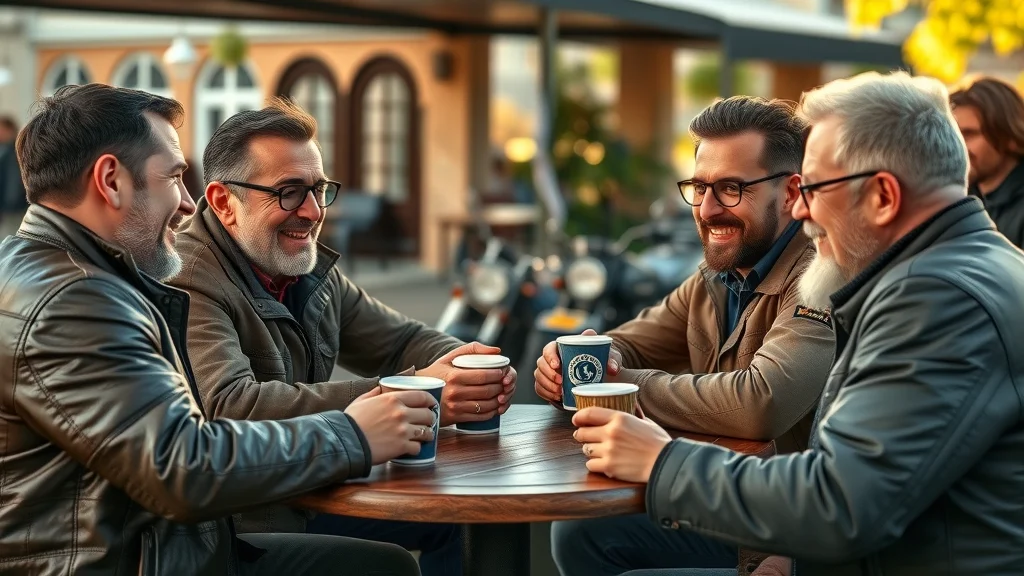
Warm group of bikers sharing coffee and conversation at an outdoor café; bikers supporting each other

Practical Ways Bikers Foster a Culture of Support for Mental Health

Beyond group rides and casual chats, biker communities are increasingly building structured support networks. Peer support teams, mental health first aid training, and check-in systems are all being introduced to ensure that no rider is left to manage mental difficulties alone. These initiatives demonstrate that the bike community recognizes the value of both informal and formal support systems—bridging friendships with professional guidance.

Clubs may partner with organizations that specialize in mental wellness or invite speakers to events to provide education and resources. Meanwhile, online forums and local meetups create safe spaces for individuals to reach out when struggling. These approaches reinforce the message that, in the biker community and mental wellness movement, there’s no stigma in seeking help—only solidarity.

List of Community Support Resources for Bikers

  • Mental Health First Aid Courses: Offered by clubs to help riders recognize and assist those in crisis.
  • Peer-Support Networks: Groups within clubs where members can discuss challenges anonymously or in-person.
  • Awareness Rides: Annual or seasonal events dedicated to raising mental health awareness and fostering conversation.
  • Online Communities: Social media groups and forums aimed at promoting mental health motorbike support.
  • Biker Therapy Partnerships: Collaborations with mental health professionals who understand motorcycle life and its unique challenges.

People Also Ask: Exploring Common Questions Around Biker Community and Mental Wellness

What is the 12 second rule on a motorcycle?

Answer: An overview of the 12 second rule and its relationship with safety, stress management, and mental wellness for bikers.

The 12 second rule is a safety principle encouraging riders to scan the road 12 seconds ahead, giving them ample time to spot hazards and react appropriately. This proactive approach improves not only safety but also reduces anxiety and stress, allowing bikers to ride with more mental clarity and less tension. By planning ahead, riders foster a greater sense of control—a key factor in mental wellness among the biker community.

Does riding a motorcycle help with mental health?

Answer: Examining the mental health benefits of riding a motorcycle, featuring insights from riders and experts.

Yes, riding a motorcycle offers numerous mental health benefits. It promotes present-moment awareness, releases stress, and increases a sense of freedom. Riders and mental health experts alike agree that focusing on the road helps quiet intrusive thoughts and reduces symptoms of anxiety and depression. Group rides and community participation add an important social aspect, which is especially beneficial for emotional resilience.

What is the 1% rule in motorcycles?

Answer: Clarification on the 1% rule, its cultural meaning, and potential impact on the biker community and mental wellness.

The 1% rule originated as a reference to the small minority of bikers who operate outside the law—sometimes associated with "outlaw" motorcycle clubs. Today, most motorcycle communities reject this stereotype, cultivating inclusive environments where positive values and support for mental wellness predominate. By embracing openness and rejecting negative stereotypes, clubs help ensure all members feel safe and welcomed—an essential component of mental health motorbike culture.

What does 2 fingers down mean for bikers?

Answer: The tradition and camaraderie behind the ‘2 fingers down’ gesture and its subtle connection to community support and mental health.

The “2 fingers down” gesture is a traditional sign of respect among riders, signaling unity, safety, and camaraderie. This small act serves as a reminder that every biker is part of a larger community looking out for one another. Such traditions, while simple, reinforce the core principle of mutual support—highlighting the subtle but significant link between motorcycle culture and mental wellness.
Confident biker making

Watch interviews, community rides, and group support sessions that bring biker wellness initiatives to life.

Building a Thriving, Supportive Biker Community—My Perspective

  • Encouraging inclusion and openness: Welcoming all riders regardless of experience, background, or challenges, and creating room for every voice in mental health conversations.
  • Promoting mental wellness awareness among riders: Integrating education, regular check-ins, and access to mental health motorbike resources into club activities.
  • Upcoming biker events focused on health and mental wellness: Making space for charity rides, mental health awareness campaigns, and accessible workshops at rallies and local gatherings.
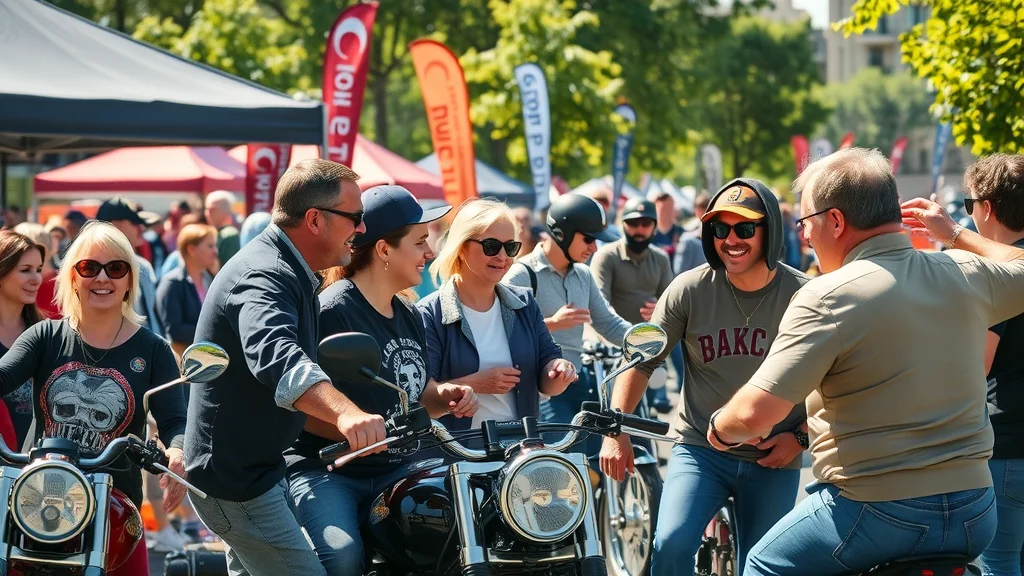
Inclusive biker event in progress — lively, welcoming faces and vibrant activities supporting biker community and mental wellness

Frequently Asked Questions about Biker Community and Mental Wellness

How can bikers maintain mental wellness?

Bikers can maintain mental wellness by prioritizing regular rides, forming strong social connections within the community, and openly discussing mental health topics. Joining peer-support groups, practicing mindfulness on the road, and attending wellness-focused biker events are also highly recommended ways to nourish emotional resilience and wellbeing.

Are there specialized support groups for bikers dealing with mental health issues?

Yes, many regions and clubs offer support groups specifically for bikers facing mental health challenges. These groups, often founded by bikers for bikers, understand the unique pressures of motorcycle life and aim to provide peer support in a non-judgmental environment. Online forums and in-person meetups also make it easier for riders to seek help tailored to their experiences.

What events promote both biking and mental wellness?

Events such as charity rides for mental health, awareness seminars, and group therapy sessions at biker rallies are all designed to promote both riding and wellness. These gatherings encourage open conversation, education, and solidarity—helping strengthen community bonds and reduce the stigma around mental health motorbike conversations.

Key Takeaways on Biker Community and Mental Wellness

  • Riding a motorcycle can positively impact mental health
  • Supportive communities matter for emotional resilience
  • Open conversations are transforming the biker community for the better

Join the Conversation: Share Your Ride and Inspire Biker Community Wellness

How have motorcycles and the biker community impacted your mental wellbeing? Share your story in the comments, join a local ride, or reach out to support a fellow rider—because together, we make every journey safer and stronger

As you continue your journey toward greater mental wellness within the biker community, remember that staying informed and proactive is just as important as building connections. Exploring topics like motorcycle safety, including recent recalls and industry updates, can further empower you to ride with confidence and peace of mind. For a deeper understanding of how current events may affect your riding experience, take a look at the latest insights on serious crash hazards and the 2025 Kawasaki motorcycle recall. By combining community support with up-to-date knowledge, you can enhance both your wellbeing and your safety on every ride.

Community Voices

1 Views

0 Comments

Write A Comment

*
*
Related Posts All Posts
01.01.2026

Mental Health Support for Bikers: Find Help Today

The open road calls to all bikers—offering freedom, camaraderie, and unparalleled adventure. But under the roar of engines and the brotherhood of the biker community, many riders face battles that aren’t always visible. Mental health support for bikers goes far beyond simple encouragement; it can be a true lifeline. Whether you ride for throttle therapy, a sense of purpose, or to find connection, your mind’s wellbeing is just as essential as your bike’s health. Today, let’s journey together to explore why supporting the mental health of bikers matters, how you can find help, and why speaking up makes the entire highway safer and stronger. The Importance of Mental Health Support for Bikers The biker lifestyle, revered for its spirit of independence and resilience, can sometimes overshadow the reality that mental battles are common on and off the road. Mental health support for bikers directly addresses challenges faced by motorcycle enthusiasts, especially within tight-knit communities like support bikers Colorado. Whether you’re an experienced road warrior or a newcomer introduced to motorcycles through friends or family, prioritizing mental wellness keeps the journey upright and thriving. Many bikers are drawn to the sense of community and freedom that riding offers. However, the pressures of maintaining an “unbreakable” image or the trauma from an accident—like what the wrecked rider fund addresses—can leave individuals reluctant to seek behavioral health help. Support biker groups, both locally and countrywide, play a vital role in changing perceptions and normalizing conversations about mental health for motorcycle enthusiasts. With proper resources, education, and encouragement to reach out, more bikers find support, leading to healthier, safer journeys for everyone. "As a biker, I’ve learned that the journey doesn’t just challenge your bike—it tests your mind. Mental health support for bikers is a lifeline for our community." What You'll Learn About Mental Health Support for Bikers Why mental health matters to bikers and motorcycle enthusiasts How support networks like support biker and support bikers colorado make a difference Resources for behavioral health in the biker community How to recognize when you or a fellow biker may need support Expert and community insights into overcoming stigma The Unique Challenges Facing Bikers: More Than Just the Road Exploring the Biker Community and Its Stresses Riding offers a unique form of therapy—throttle therapy, as many call it. But life in the biker community can also bring emotional burdens. For veterans and first responders who ride, the motorcycle becomes more than a machine; it’s a vessel for healing from past trauma or active duty. Yet, the solitude of the open road, the need to appear tough, and the weight of past events (from accidents to service in the marine corps or army) can foster feelings of isolation. Social media often highlights the glossy parts of biker culture, rarely the sleepless nights after a wrecked ride or the struggle to build mentor relationships outside traditional environments. In Colorado, renowned for its scenic highways and passionate groups like support bikers colorado, pressures expand. The breathtaking routes invite adventure, but they also serve as reminders of the risks. When a fellow veteran or even a pastor bob in your group struggles, it becomes clear just how essential accessible mental health support for bikers is—for yourself and your companions. With the community’s strong bonds comes a responsibility: to watch for warning signs, talk openly, and ensure behavioral health resources are never out of reach. While mental health is a crucial aspect of every rider's journey, it's equally important to stay informed about physical safety concerns that can impact your wellbeing. For example, recent developments such as the 2025 Kawasaki motorcycle recall due to a serious crash hazard highlight how mechanical issues can add to the stress and anxiety riders may experience. Staying updated on such safety alerts is another way to protect both your mind and body on the road. Why Mental Health for Bikers Colorado Deserves Special Attention Colorado’s biker scene stands out—not only for its majestic mountain roads, but also for the diversity of riders ranging from active-duty veterans to everyday motorcycle enthusiasts. The state’s unique landscape presents opportunities for both healing and hardship. While long rides along the foothills can wash away stress, they can also magnify feelings of being alone, especially after a traumatic event such as an accident. Community-based support biker organizations recognize Colorado’s specific needs by building trust, supporting recovery, and raising money for those affected. This state’s biker culture is as much about resilience as it is about brotherhood and sisterhood. Initiatives like support bikers colorado and the wrecked rider fund grew from the understanding that mental health and behavioral health challenges—whether anxiety, PTSD, or depression—demand dedicated action. These organizations connect bikers to compassionate resources, train volunteers to recognize the warning signs, and ensure that behavioral health support is not just a last resort, but a fellow traveler on every ride. Challenge Impact on Mental Health Long rides & solitude Increased risk of isolation Accident trauma (wrecked rider) PTSD, anxiety Stigma in biker community Reluctance to seek behavioral health help Group pressure Difficulty expressing vulnerability Support Networks & Groups: How Bikers Colorado Build Resilience Profiles: Support Biker, Support Bikers, and Support Bikers Colorado Real strength in the biker community is rooted in brotherhood, mentorship, and collaboration. Groups like support biker, support bikers, and support bikers colorado were formed to address the practical and emotional needs of riders throughout Colorado and beyond. By offering everything from check-in calls to expert-led behavioral health training, these groups have become lifelines for riders recovering from accidents, navigating military transitions, or simply needing a friend. These networks raise money for those in crisis through initiatives like the rider fund, build mentor relationships to help newcomers integrate, and maintain partnerships with behavioral health professionals attuned to the specific realities of the biker lifestyle. Whether you’re looking for guidance after being introduced to motorcycles, craving authentic social connections, or working through the aftermath of a wrecked ride, these groups ensure that you never have to ride alone in your struggles. Spotlight: Krystal Hess and Behavioral Health Advocacy Some leaders stand out for their relentless effort and compassion. Krystal Hess is one such beacon within the motorcycle enthusiast world. Founder of Motorcycle Missions and a champion for mental health and behavioral health, Krystal utilizes her own stories as an army veteran to break the silence around post-traumatic stress, depression, and anxiety issues bikers face. "Krystal Hess has become a beacon for mental health advocacy among motorcycle enthusiasts, leading efforts in both education and funding." Krystal’s groundbreaking work has been especially meaningful in Colorado, where her voice resonates with both civilians and veterans. From workshops combating stigma to campaigns supporting the wrecked rider fund, her holistic approach includes both practical help and a powerful sense of community. She’s demonstrated that by blending lived experience with behavioral health expertise, it’s possible to transform vulnerability into strength—paving a new road for support bikers everywhere. How the Wrecked Rider Fund and Rider Fund Support Bikers Purpose and impact of the wrecked rider fund Accessing help after an accident Stories of recovery through community funding When disaster strikes—a crash, a slide, a sudden twist of fate—the wrecked rider fund and rider fund become vital safety nets. Originating within the biker community, these funds immediately deploy support for those facing physical injuries, lost income, or emotional trauma from wrecked rides. More than financial aid, these funds represent a collective pledge: we do not leave our own behind. Any biker can access help through these initiatives, which offer confidential requests and streamlined vetting through local or national networks such as support bikers colorado. These funds are powered by donations, benefit rides, and social media awareness, often amplified by stories from army veterans, police department affiliates, and even fellow veterans lending their own support biker experiences. Each grant made isn’t just about paying hospital bills—it’s a symbol of a caring brotherhood and a lifeline for mental wellness when hope feels in short supply. Behavioral Health Resources for Motorcycle Enthusiasts Local Organizations Offering Mental Health Support for Bikers in Colorado If you’re searching for tailored mental health support for bikers, Colorado is filled with organizations ready to help. Community outreach centers, biker clubs, veteran support services, and behavioral health specialists collaborate closely to respond to needs unique to the motorcycle enthusiast demographic. Groups like Support Bikers Colorado often serve as bridges to local therapists, peer counselors, and recovery coaches who understand both riding culture and trauma-related mental illness. Partnerships with police departments, veteran agencies, and the wider social media community create quick access hubs for those struggling with stress, anxiety, or the aftermath of a wrecked rider scenario. Volunteering, educational workshops, and open forums foster trust, foster mentor bonds, and ensure everyone—whether introduced to motorcycles or seasoned on the open road—finds the behavioral health support they deserve. Virtual Support Groups and Online Forums Not every biker can make it to an in-person group, but that doesn’t mean you have to ride solo through tough times. The digital era has ushered in virtual support groups, online forums, and even dedicated social media communities managed by organizations like Support Bikers. These platforms offer judgment-free zones where you can share your thoughts—anonymously or openly—ask for advice, and tap into a wellspring of behavioral health resources. Through video meet-ups, online workshops, and message boards, bikers from Colorado to the United States at large find support that fits their schedule and comfort level. Moderators and fellow veterans alike make sure conversations stay respectful and caring. Whether you’re opening up after a wrecked ride, managing mental illness, or just seeking a sense of community on the nights the open road feels long, the virtual space ensures mental health support for bikers is just a call or text away. Overcoming Stigma: Fostering Real Support in the Biker Community Breaking the silence: how to talk about mental health for bikers Building trust in the biker community Tools for self-care and peer-to-peer support Despite growing awareness, stigma still casts a shadow over mental health in the biker community. Many riders feel pressure to “tough it out,” dismissing behavioral health as a private issue. But real courage comes from breaking the silence. It starts with opening up—to a riding buddy, a support group, or an online forum—about struggles, worries, and hopes. When leaders like Krystal Hess, pastor bob, or fellow veterans speak up, it paves the way for others. Building trust is about sharing vulnerability, not just celebrating resilience. Establishing regular mental health check-ins within biker clubs, promoting self-care routines, and expanding peer-to-peer education are vital tools. These practices do more than keep individuals safe—they reinforce the foundation of a strong, supportive biker community, where strength is found in unity and compassion. Personal Reflections: Why I Advocate for Mental Health Support for Bikers "Sharing your struggle isn’t weakness; it’s what makes this brotherhood and sisterhood truly strong." My own path with motorcycles and mental health support for bikers has been filled with peaks and valleys. The longer I ride, the more I realize that courage is not just about facing down mountains or racing the open road. It’s about showing up—honestly and vulnerably—for yourself and those around you. I’ve seen friends transformed by the caring outreach of support bikers colorado, witnessed lives changed, and heartbreak lessened through unity, behavioral health advocacy, and relentless hope. That’s why I speak, write, and encourage every biker to reach out and ride together toward wellness. People Also Ask: Understanding Mental Health and Biker Culture What does 2 fingers down mean for bikers? The “2 fingers down” gesture—two gloved fingers extended downward from the handlebars—is a universal sign of respect and camaraderie among motorcyclists. It’s a nod that says, “Ride safe, I see you.” In the context of mental health support for bikers, this small act reminds us of the brotherhood/sisterhood and the quiet understanding that we’re part of something bigger—a supportive, watchful community, even when words aren’t exchanged. Explainer: The Symbolic Meaning and Community Connection While every biker interprets the gesture a bit differently, it’s broadly accepted as an acknowledgment of shared risk and loyalty. Whether you’re a marine corps veteran, a new rider, or a long-time member of a support biker group, these symbols reinforce that safety and support go beyond helmets and leather vests. They’re daily reminders that you can always find support—or be the one to offer it—in the subtlest ways. Does bike riding help with mental health? Yes, bike riding often helps manage stress, anxiety, and depression for many. The rhythm of the road, the focus required, and the exposure to nature combine for powerful throttle therapy. Recent studies and personal testimonies from Colorado’s bikers highlight that even short rides can improve mood and sharpen mental clarity. However, it’s important to remember that while riding supports wellbeing, it’s not a substitute for professional behavioral health care when needed. The Science Behind Riding and Wellbeing Benefits Physical movement, goal-setting, and sensory engagement during rides trigger endorphin release and can boost self-esteem. For army veterans, police department officers, and civilians alike, motorcycle riding is often woven into their mental wellness routine. The sense of community, shared purpose, and adventure all contribute to healing—which is why mental health support for bikers also emphasizes safe, mindful riding and access to behavioral health care as a holistic strategy. What are the signs of someone struggling with mental health? Warning signs may include prolonged mood changes, withdrawal from group rides or events, irritability, trouble concentrating, or loss of interest in hobbies like maintaining their motorcycle. A wrecked rider may be reluctant to seek help or openly discuss their experiences. Friends and support bikers can make a meaningful difference by checking in, listening without judgment, and gently recommending behavioral health resources or a professional mental health assessment. Recognizing the Warning Signs in Fellow Bikers In the tight-knit biker community, noticing shifts in behavior is key. Missed rides, sudden silence on social media, or changes in riding habits can all be clues. Offering a call or text, suggesting a low-pressure chat, or inviting participation in a support bikers colorado event may provide the opening someone needs to share what they’re facing. Peer support and awareness save lives. What to do when you are struggling mentally? First, know you’re not alone—mental health support for bikers is always available. Reach out to a support biker, trusted club member, or turn to online communities for a confidential space to talk. Create a self-care plan, consider professional behavioral health advice, and utilize emergency helplines if your distress feels overwhelming. Remember, vulnerability drives true brotherhood and sisterhood—taking action could be your ride’s most important turn. Action Steps and Available Mental Health Support for Bikers Wherever you are in Colorado or beyond, consult lists of local therapists who understand the biker community, contact support bikers colorado, or access virtual forums operated by support bikers. Don’t wait—your wellbeing is worth prioritizing. Encouraging someone else to find support can be just as impactful. Every conversation and small gesture counts when building a stronger, healthier community of riders. Watch real stories—biker testimonials, group rides, mental health workshops, community gatherings, scenic Colorado highways, and moments of camaraderie—bringing the impact of behavioral health support for bikers to life through inspiring visuals and voices of transformation. Strategies for Riders: Practical Tips for Maintaining Mental Health Self-care routines for bikers How to create a mental health check-in system Where to find emergency mental health support for bikers Staying resilient begins with simple habits. Carve out time for reflection—journaling, meditation, or evening walks after rides. Stay connected through regular check-ins, either in person or via group texts, especially following tough rides or stressful events. If you sense a fellow rider is struggling, suggest a one-on-one coffee or low-pressure ride to open dialogue. It’s also essential to familiarize yourself with local and virtual resources in Colorado, including support bikers colorado and online forums for behavioral health. In moments of urgent need, keep a list of hotlines and crisis services on your phone and share these regularly with your group. Remember, a strong support biker community is built not only on answering the call for help, but also by extending it to others when storms hit. Hear from bikers: Heartfelt testimonials from riders who found healing, fellowship, and hope through support bikers colorado and the broader support biker movement. Their stories offer encouragement and proof that together, the biker community can break stigma and rebuild lives. FAQs About Mental Health Support for Bikers What makes mental health support for bikers unique? Are there specialized therapists for the biker community? Can family and friends access support resources? What makes mental health support for bikers unique? The tight bonds of brotherhood and a culture rooted in resilience mean bikers benefit from support tailored to their environment Are there specialized therapists for the biker community? Yes! Many behavioral health professionals in Colorado and beyond understand biker culture and trauma—especially those connected with support bikers colorado, veteran networks, or peer-run organizations Can family and friends access support resources? Absolutely Key Takeaways from the Movement for Mental Health Support for Bikers - Mental health support for bikers is vital—stigma-free, accessible help transforms lives. - Support bikers colorado, the wrecked rider fund, and advocates like Krystal Hess provide crucial resources. - Outreach, peer support, and regular check-ins strengthen the biker community and save lives. - Every gesture, conversation, and ride together helps make mental health a visible, celebrated priority. Conclusion: Making Mental Health a Priority in the Biker Community Prioritizing mental health support for bikers means safer, happier roads for all—start your journey toward wellness and connection today. Reach Out Today – Discover Mental Health Support for Bikers Near You Don’t wait—if you or someone you care about is struggling, connect with support bikers colorado, start a conversation, or find a local behavioral health resource. Your next ride could lead to hope—find support today. As you continue your journey toward better mental health and community connection, remember that staying informed about broader safety issues is just as important. For a deeper look at how industry-wide developments can affect your riding experience and peace of mind, explore our coverage on the 2025 Kawasaki motorcycle recall and its implications for rider safety. Expanding your awareness of both mental and physical wellbeing ensures you’re prepared for every mile ahead.

01.01.2026

Impact of Trauma on Motorcyclists: The Hidden Battle

Startling Fact: Did you know that statistics reveal over 80% of motorcycle accidents result in injury or death? It's a harsh reality unfolding daily on our roads, demonstrating just how vulnerable motorcycle riders are during every ride Unmasking the True Impact of Trauma on Motorcyclists The impact of trauma on motorcyclists is an invisible battle few recognize until it’s too late. When a motorcycle accident occurs, the immediate focus is on treating severe injuries—broken bones, abrasions, and sometimes, the tragic loss of life. Yet, the psychological aftermath is often overlooked, affecting judgment, relationships, and even a rider’s willingness to return to the open road. In reality, the trauma experienced by motorcycle accident victims lingers long after wounds have closed, manifesting as anxiety, depression, and, for some, disabling stress disorders. The impact of trauma on motorcyclists extends to every facet of their lives, challenging them to rebuild a sense of safety and trust in both themselves and others. Motorcycle incidents can drastically change the trajectory of a rider’s life. The combination of physical injuries and psychological trauma can create barriers to recovery that are not always visible. As personal injury claims and pain and suffering become hurdles to overcome, riders often feel isolated—caught between “moving on” and admitting to lasting emotional scars. This article explores these multifaceted challenges, offers insights for family and friends of injured riders, and highlights what’s needed to disrupt the cycle of silence that too often surrounds motorcycle wrecks and their aftermath. "Statistics reveal that over 80% of motorcycle accidents result in injury or death—a stark reminder of the vulnerability of motorcycle riders." What You'll Learn About the Impact of Trauma on Motorcyclists Understanding the psychological and physical aspects of trauma after a motorcycle accident Recognizing signs of PTSD and stress disorder in motorcycle riders How the legal system interacts with trauma and personal injury claims for motorcyclists Coping strategies and resources available for affected riders The societal implications of unaddressed motorcyclist trauma Motorcycle Accident: The Immediate and Lasting Effects Physical Injuries vs. Psychological Trauma After Motorcycle Accidents A motorcycle accident can leave visible and invisible wounds. The physical injuries—such as broken bones, severe abrasions, or concussions—are often the first to be treated. These severe injuries can keep a rider hospitalized, face mounting medical bills, and sometimes deal with lost wages due to time away from work. Among the most common types of injuries resulting from a motorcycle crash are head injuries and traumatic brain injuries (TBI), which can have life-altering consequences not only for body function but also for cognition and mood. Just as profound, but far less visible, is the psychological trauma following a motorcycle accident. Accident victims often grapple with recurring nightmares, persistent fear of riding, and social withdrawal. While physical rehabilitation can restore function, these internal battles are just as real and just as disabling. Many accident victims describe feeling “disconnected” from their lives, experiencing emotional numbing or intrusive memories. These struggles frequently go undiagnosed, as even medical professionals focus on physical recovery, inadvertently downplaying the very real mental health risks facing riders after a motorcycle wreck. While trauma can stem from a single accident, it's important to recognize that certain external factors—such as manufacturer recalls—can also increase the risk of crashes and subsequent injuries. For example, the 2025 Kawasaki motorcycle recall highlights how mechanical hazards can contribute to serious accidents, underscoring the need for riders to stay informed about potential safety issues. The Ripple Effect: Personal Injury and Pain and Suffering for Motorcycle Riders Traumatic Brain Injuries and Their Influence on Mental Health Traumatic brain injuries (TBIs) represent a particularly insidious challenge for motorcycle accident victims. Even minor head injuries can trigger lasting personality changes, memory disruptions, and serious mental health complications. Brain injuries are not only the most common type of severe injury in motorcycle crashes—they’re also among the hardest to fully diagnose and treat. Many survivors experience mood swings, chronic headaches, and difficulties making decisions, which can undermine confidence in returning to daily routines, work, or even relationships. Untreated, TBIs often lead to more severe mental health conditions such as anxiety, depression, and PTSD. In some cases, the subtle changes in cognition or personality following a brain injury may impact a rider’s ability to communicate, process emotions, and feel safe. Family members and friends of motorcycle riders can play a vital role in encouraging early medical evaluation, professional therapy, and ongoing support. Acknowledging both the acute dangers and the profound ripple effects of brain injuries is essential for any true conversation about pain and suffering in this context. The Silent Struggle: Psychological Trauma After a Motorcycle Wreck Stress Disorder, PTSD, and Mental Health Challenges for Motorcycle Riders The psychological trauma following a motorcycle wreck is, for many, the true hidden battle. More than half of motorcycle accident victims will go on to experience stress disorder or full-blown PTSD after a serious crash. Symptoms often manifest in the weeks following the injury: sleeplessness, flashbacks, irritability, or an unshakable fear of riding again. The impact of trauma on motorcyclists is compounded by stigma—riders may feel pressured to “tough it out” and downplay their suffering, especially in cultures that prize resilience or self-reliance. This internal struggle is rarely acknowledged by society and is often insufficiently addressed by medical professionals, leading to a cycle where injuries resulting from an accident evolve into lifelong mental health challenges. Psychological trauma can deeply strain personal relationships and even lead to substance abuse or withdrawal from the riding community. As the conversation grows around mental health among accident victims, motorcycle riders must be empowered to seek help, with resources designed to address the unique dynamics of riding culture. "Surviving a motorcycle crash often marks the beginning of an invisible battle—one that medical professionals sometimes overlook." Legal Representation and Injury Claims for Motorcycle Accidents Role of Injury Lawyers and Personal Injury Lawyers in Supporting Riders After a motorcycle accident, the path to healing is rarely straightforward, given the complexity of the legal system and the emotional toll of trauma. Personal injury lawyers and injury attorneys play a critical role in guiding riders through the maze of injury claim paperwork, insurance company negotiations, and litigation when needed. Their experience in handling motorcycle accident cases ensures that accident victims have advocates who understand both the tangible and intangible costs—covering medical bills, lost wages, and pain and suffering. A knowledgeable injury lawyer is often the difference between an adequate settlement and a future burdened by financial and emotional hardship. Beyond compensation for severe injuries, they can connect riders with resources for ongoing mental health care, therapy, and rehabilitation. Lawyers who focus on motorcycle accidents recognize the special circumstances these riders face and strive to address not just the seen, but also the often-unseen, impact of trauma. Navigating Insurance Companies After a Motorcycle Crash Dealing with insurance companies after a motorcycle crash can be overwhelming, especially for those concurrently coping with stress disorder or physical injuries. Insurers may investigate claims thoroughly to limit payouts, making the experience stressful for accident victims. Understanding your rights and duties, as well as what types of injuries and suffering are covered, is essential. Documentation—medical reports, therapy notes, and police records—become critical tools. An experienced injury attorney provides much-needed guidance, fighting for coverage not only for visible injuries like fractures or brain injuries, but also for the less tangible effects, such as psychological trauma and chronic pain. Riders are often surprised to discover that insurance policies may be leveraged to cover mental health therapy and long-term support. Engaging with a skilled lawyer early ensures that all dimensions of trauma are considered—and compensated. Types of Trauma, Their Effects, and Legal Options for Motorcycle Riders Type of Trauma Short-term Effects Long-term Effects Legal Options Physical Injury Immediate pain, immobility Chronic pain, disability Personal injury claim Traumatic Brain Injury Confusion, headaches Memory loss, cognitive issues Injury attorney support Psychological Trauma Anxiety, fear PTSD, depression Compensation for pain and suffering Coping and Recovery: Rebuilding Life After Motorcycle Accidents Recovery following a motorcycle accident encompasses far more than simply healing from physical wounds. Many motorcycle riders must address both visible and invisible scars. For some, this means overcoming mobility challenges via physical rehabilitation, while for others, the real struggle is regaining emotional stability and trust—essential for getting back on the bike. Coping often requires professional therapy, a commitment to ongoing healing, and the support of family, friends, and community groups. Structures like peer support groups and mental health counseling can be lifelines, helping accident victims confront their stress disorder, anxiety, or depression. Family involvement is also crucial; when loved ones learn about signs of psychological trauma and are present through ups and downs, recovery rates often improve. Ultimately, rebuilding life after a motorcycle crash demands a comprehensive, compassionate approach—one that sees the whole person beyond the initial injuries result. Accessing therapy for psychological trauma Physical rehabilitation after a motorcycle crash Support groups for stress disorder recovery Role of family in healing People Also Ask: Common Questions About the Impact of Trauma on Motorcyclists What is the #1 cause of motorcycle accidents? The leading cause of motorcycle accidents is motor vehicle drivers failing to detect and recognize motorcycles in traffic, often during left-turn scenarios or lane changes, which can have devastating consequences for motorcycle riders. What is the 12 second rule on a motorcycle? The 12 second rule advises motorcycle riders to continuously scan the road 12 seconds ahead of their lane position, improving reaction times and helping avoid sudden hazards that could result in motorcycle accidents. How to get over motorcycle PTSD? Overcoming PTSD after a motorcycle wreck often involves professional therapy, joining support groups for trauma survivors, gradual re-exposure to riding, and maintaining strong social connections for long-term healing. What are the 5 signs of injury trauma? The five key signs of injury trauma include physical pain, emotional numbness, anxiety or depression, sleep disturbances, and changes in interpersonal relationships—all of which can impact motorcyclists after an accident. Watch: Motorcyclists' Road to Recovery—Survivors, Experts, and Legal Support Key Takeaways: The Impact of Trauma on Motorcyclists Motorcycle accidents often leave lasting physical and psychological scars. Motorcycle riders face unique legal and mental health challenges post-injury. Comprehensive recovery includes addressing both personal injury and psychological trauma. Awareness and support are crucial for riders rebuilding after a motorcycle crash. Frequently Asked Questions About Trauma in Motorcycle Accidents What resources exist for motorcycle riders experiencing stress disorder? Riders can access mental health counselors, local support groups, national trauma survivor organizations, and specialized online forums for accident victims. Can personal injury lawyers assist with psychological trauma claims? Yes, a personal injury lawyer can help build a case that includes compensation for mental anguish, therapy costs, and pain and suffering in addition to physical injury claims. How does insurance handle claims for pain and suffering after a motorcycle wreck? Insurance companies may cover pain and suffering if adequately documented; working with an injury attorney ensures all forms of trauma are included in settlement negotiations. Are traumatic brain injuries common in motorcycle crashes? Unfortunately, traumatic brain injuries are among the most frequent and severe injuries resulting from motorcycle accidents, reinforcing the need for immediate medical care and proper legal representation. Final Reflections on the Hidden Battle: Author's Perspective "It’s not just the physical wounds that hurt; the invisible scars often linger longer, impacting every ride, every relationship, and every day." Join the Conversation and Support Motorcycle Riders Share your story or reach out for support—let’s break the silence surrounding the impact of trauma on motorcyclists and empower our community to heal and thrive. Whether you ride or know someone who does, recognizing the true impact of trauma on motorcyclists is the first step. Let’s advocate for better support, increased awareness, and compassionate recovery for all motorcycle riders. If you’re committed to staying safe on the road, it’s essential to be proactive about both your mental and physical well-being as a rider. Beyond understanding trauma, keeping up with industry news—like major recalls—can help prevent accidents before they happen. For a deeper look at how manufacturer issues can pose unexpected risks, explore the details of the recent Kawasaki motorcycle recall and its implications for rider safety. By staying informed and vigilant, you can better protect yourself and your community from both visible and hidden dangers on the road.

12.31.2025

Coping with PTSD and Depression: A Biker’s Guide

Did you know? More than 8 million adults experience PTSD every year in the United States—many of whom are bikers seeking relief and freedom on the open road “Over 8 million adults experience PTSD annually in the U.S.—a number that includes countless bikers riding to find relief.” Unveiling the Reality: PTSD, Depression, and Biker Culture In biker culture, strength and independence are admired, but what often goes unspoken is the mental toll of past traumatic events, from major accidents to personal loss. Coping with PTSD and depression can be a silent struggle as many bikers turn to the open road for solace. Unfortunately, the very culture that brings camaraderie can sometimes discourage open conversations about mental health problems. Yet, recognizing stress disorder and traumatic stress as real health conditions is the turning point to recovery. The symptoms of PTSD and depression aren’t a sign of weakness—they’re a common response to surviving extremely hard events, like a car accident or other traumatic experience. Acknowledging this reality in biker communities helps break barriers to healing, paving the way to better self-care, connection, and ultimately, reclaiming joy on two wheels. Taking action begins with honest recognition. By reading this comprehensive guide, you’re taking a meaningful step to support your own mental health or that of a fellow rider. Whether you’ve experienced trauma firsthand, are feeling lost after a challenging chapter, or simply want to empower your group, you’ll find clear information and practical tips here. The path to treating and understanding PTSD in a culture often marked by grit and stoicism can be tough—but with the right tools, nobody rides alone. While understanding the emotional aftermath of trauma is crucial, it's equally important to stay informed about physical safety risks that can contribute to stress and anxiety. For example, recent safety alerts like the 2025 Kawasaki motorcycle recall and its potential crash hazards highlight how mechanical issues can impact both your wellbeing and peace of mind on the road. What You’ll Learn in This Guide on Coping with PTSD and Depression Understanding PTSD and associated stress disorder in bikers Detecting symptoms of PTSD and depression Effective mental health self-care strategies for riders Building support systems within the biker community Navigating health care options for traumatic stress Practical steps for long-term healing and empowerment Understanding PTSD and Depression in Bikers Defining PTSD and Depression: Key Differences and Overlaps Post-Traumatic Stress Disorder (PTSD) is a mental health condition that develops after facing terrifying or life-threatening events. Common triggers include severe car accidents, military service, violence, or losing a loved one (family member). PTSD involves persistent flashbacks, nightmares, avoidance behavior, mood changes, and lasting anxiety. In contrast, depression is mainly marked by a deep, ongoing sadness, loss of pleasure, fatigue, and even physical symptoms. It may or may not connect to a single traumatic event, and it often overlaps with PTSD—meaning you can experience both at once. Recognizing their unique and shared signs helps you understand your experiences and move toward the right mental health approach. For people who have experienced trauma, the line between PTSD and depression can blur, but knowing their distinctions allows for more targeted treatment options. Some symptoms of PTSD include reliving the traumatic experience, while depression’s hallmarks are hopelessness and isolation. Different as they are, both mental health issues respond well to intervention and support, especially in high-risk groups like bikers. Learning how coping with PTSD and depression works for you is the foundation for healing—no shame, just honest insight. The Unique Connection Between Biker Life and Traumatic Stress The biker lifestyle’s thrill and freedom can offer relief and moments of escape for those with traumatic experiences. However, it can also contribute to exposure to situations likely to cause traumatic stress—like high-speed riding, accidents, and encounters with violence. The close-knit but sometimes stoic biker culture often means struggles are kept beneath the surface. Group rides and solidarity can help, yet the stigma associated with mental health conditions like stress disorder makes open discussions rare. Riders who have experienced trauma may find the act of riding both an outlet for emotions and, at times, a trigger. Some bikers view their bikes as lifelines, helping them manage thoughts and feelings that seem overwhelming off the road. Still, it’s important to distinguish healthy coping from avoidance. Nurturing open communication and support within the community is the key to transforming the ride into a force for real healing, rather than just temporary relief. Factors That Make Bikers More Vulnerable to Stress Disorder Life on two wheels brings unique risks. High speeds, unpredictable encounters, and a culture that prizes toughness make bikers more susceptible to develop PTSD. Riders may feel like they must process traumatic events—such as crashes, loss, or even witnessing harm to a fellow rider—on their own. Repeated exposure to adrenaline rushes or close calls can raise stress levels over time, leading some to experience PTSD symptoms more intensely. Societal expectations, stigma about expressing emotion, and limited access to specialized mental health care also create barriers. Many bikers come from backgrounds where discussing stress disorder is discouraged, increasing the chance that mental health issues remain hidden until they become overwhelming. Building awareness and breaking these patterns is essential for both individuals and the health of the community. Symptoms of PTSD and Depression: What to Look For Common Symptoms of PTSD vs. Depression among Bikers PTSD Symptoms Depression Symptoms Nightmares & flashbacks of a traumatic event Persistent sadness or hopelessness Avoiding reminders of the trauma Loss of interest in hobbies or riding Being easily startled, jumpy, or hyper-vigilant Chronic fatigue and low energy Emotional numbness or feeling detached Trouble concentrating or making decisions Irritability or sudden anger outbursts Eating or sleeping more or less than usual Negative changes in thoughts and feelings Feelings of guilt or worthlessness Recognizing the Signs: From Emotional Detachment to Anger Issues Spotting the symptoms of PTSD and depression isn’t always straightforward—especially if you're wearing a "tough" persona out of habit or expectation. Many bikers describe feeling emotionally numb, angry, or “checked out,” sometimes without realizing it’s linked to a traumatic event. Common indicators of stress disorder include avoiding certain places, people, or even conversations that could bring up the trauma. Irritability and sudden bursts of anger can become patterns that affect not only your mood but also your close relationships and performance on the road. Similarly, the signs of depression—like persistent fatigue, disinterest in riding, or trouble sleeping—often creep in quietly. If you or someone in your group is displaying these changes in behavior, it’s not just a “bad patch.” Acknowledging these signals, whether subtle or overt, is a crucial move toward rebuilding mental health and rediscovering the true joy of riding. When Do Riders Typically Develop PTSD? Riders may develop PTSD after a single traumatic event like a severe accident or gradually over time from repeated exposure to danger and stress. Many report that symptoms appear weeks or months after the incident but can also emerge years later, particularly if new stressors resurface old memories. Events that spark PTSD in bikers include car accidents, serious “close calls,” or witnessing harm to others during group rides. It’s important to know there’s no “normal” timeline for the onset of PTSD. Some bikers might recognize PTSD symptoms soon after a crash, while others keep moving forward until triggers—like sounds, smells, or even the sight of a bike—cause past trauma to resurface. No matter when PTSD emerges, early recognition and compassionate support are the best ways to treat PTSD and prevent further decline in mental wellbeing. The Impact of Untreated PTSD and Depression on Mental Health How Mental Health Shapes Quality of Life and Riding Performance If left unaddressed, PTSD and depression can impact every aspect of a biker’s life—from relationships and work to the very act of riding. Mental health shapes how you interpret the world, react to danger, and make decisions. When your mind is clouded by traumatic stress or sadness, focus and awareness suffer, increasing the risk of accidents and jeopardizing both your physical and emotional safety. Coping with PTSD and depression means more than “feeling better”—it’s vital for safe, confident riding and a higher quality of life off the bike. Addressing mental health conditions early allows riders to regain their passion, reconnect with others, and fully experience the freedom that biker culture promises. Health Condition Risks: Substance Abuse, Relationship Strain, and More Untreated stress disorder and depression can lead to more serious health conditions, including substance abuse, chronic pain, or risk-taking behaviors. Some bikers may use alcohol, drugs, or even excessive riding to “numb” their feelings—a method that offers momentary relief but often deepens isolation and health challenges. Relationships with family members and friends often become strained as withdrawal, anger, or emotional numbness emerge. Over time, the risk of losing support increases, making the journey even harder. Addressing symptoms promptly preserves not just individual wellbeing but the bonds that keep bikers connected through thick and thin. Breaking the Stigma: Creating Safe Spaces in Biker Groups Why Bikers Often Hide Symptoms of PTSD The “tough-as-nails” mentality is cherished in biker culture but can be a double-edged sword. Many bikers hide symptoms of PTSD for fear of appearing weak or being judged by others. Generations of learned behavior and the desire to be seen as strong contribute to a reluctance to seek help or admit to emotional struggles. Yet, mental health is not a reflection of character. The reality is that people with PTSD are holding strength simply by living through their experience—and speaking openly about it is a mark of pure courage. “It’s not weakness—talking about mental health is pure courage.” How to Foster Open Conversations about Mental Health Creating safe spaces for dialogue doesn’t require therapists; it starts with one supportive friend, an accepting club, or even an anonymous online group. Encouraging genuine check-ins, sharing personal stories, and normalizing mental health problems in everyday conversation make seeking help easier. Biker groups can designate “support riders” or offer informal circles where struggling members feel comfortable opening up. Building these habits within biker culture strengthens trust and deepens connections, helping every member feel confident enough to seek or give help. When it becomes normal to talk about coping with PTSD and depression, the healing journey becomes one riders can undertake together—never alone. Self-Care Strategies for Coping with PTSD and Depression Prioritizing healthy routines (nutrition, sleep, exercise) Therapeutic effects of riding and mindfulness Identifying and avoiding common triggers Developing Mental Health Daily Habits for Riders Routine lays the foundation for coping with PTSD and depression. Start with small, achievable steps—consistent sleep schedules, nutritious meals, and regular physical activity. Even gentle rides or walking count. Mindfulness practices, like breathing exercises before you ride out or a short reflection after, reduce anxiety and reinforce a sense of control. Keeping a daily log or journal about your moods, triggers, and positive moments on and off the bike can help you and your support circle spot patterns and celebrate improvements. Sustainable self-care isn’t about radical change overnight, but nurturing habits that rebuild mental and physical strength day after day. The Power of Peer Support in Coping with Traumatic Stress For many bikers, nothing heals quite like the understanding of someone who’s “been there.” Peer support—whether through riding clubs, support groups, or trusted friends—offers validation, motivation, and hope. Even a simple message or a ride together can break the sense of isolation and provide guidance for managing difficult days. Don’t overlook the impact of small acts: checking in, listening without judgment, or inviting someone for a ride can be lifelines for those coping with PTSD. As you grow comfortable, you’ll also become more influential in encouraging others to embrace their journey toward healing. Seeking Professional Help: Navigating Health Care Options When and Where to Seek Mental Health Care Knowing when to seek help is as important as knowing where. If symptoms of PTSD or depression disrupt your ability to enjoy, work, or stay safe on the road, it’s time to reach out. Look for mental health professionals—therapists, counselors, or clinics with experience in treating trauma and working with high-risk groups. Many health care options exist: local community clinics, veterans’ services, telehealth providers, and workplace or club resources. The key is to start the conversation. Remember, acknowledging the need for professional help is the strongest move you can make toward recovery. “A skilled therapist can help unlock the journey to recovery, one mile at a time.” The Role of Support Groups and Community Resources In addition to therapy, peer-led support groups, whether in person or online, create spaces where riders can share, learn, and grow together without pressure. National organizations, crisis hotlines, even biker clubs with a mental health focus offer structured and informal ways to get information and emotional backing. Don’t underestimate the value of connecting with people who have experienced something similar. A support group offers both advice and solidarity, and can be a stepping stone to professional mental health care. Access to Health Care: Insurance and Financial Considerations Cost is a major concern, but most health insurance plans cover a range of mental health services—including therapy, medication, and hospital stays. Look for sliding-scale clinics, assistance programs, or nonprofit resources if uninsured. Some national and state programs specifically support those with PTSD, such as veterans or accident survivors. If you’re unsure where to begin, visit an official website such as SAMHSA or your insurer’s portal. Don’t let finances be a barrier—help is available, and planning is a big step in the overall recovery process. Medical Interventions for Symptoms of PTSD and Depression Medication Options: Managing PTSD, Anxiety, and Depression Sometimes, self-care and counseling need to be paired with medication to address the biological effects of stress disorder and depression. Doctors often prescribe SSRIs (selective serotonin reuptake inhibitors) and SNRIs (serotonin-norepinephrine reuptake inhibitors)—these are the main treatment medications for PTSD and major depressive episodes. Medication for anxiety or sleep disturbances might also be recommended as part of a comprehensive plan to stabilize mood and clear thinking. Finding the best medication is a personal process that requires input from a health professional. Never self-prescribe or abruptly change dosages. Open communication with your provider ensures safe, effective treatment and helps you monitor progress without undermining your passion for riding. Therapies that Work: CBT, EMDR, and Alternative Approaches Cognitive behavioral therapy (CBT) remains one of the most effective approaches for treating PTSD and depression. CBT helps bikers challenge negative beliefs, manage triggers, and develop coping skills for lasting change. Many find Eye Movement Desensitization and Reprocessing (EMDR) particularly helpful for processing traumatic memories and reducing the sting of flashbacks. Alternative therapies—such as mindfulness meditation, yoga, art, or equine therapy—can complement traditional treatment by providing nonverbal ways to express and manage feelings. The most successful recovery journeys combine multiple treatment options tailored to your needs, guided by a mental health professional. Building Resilience: Long-term Coping with PTSD and Depression Developing a personal wellness plan Lifestyle shifts that promote healing Staying connected to positive influences Tracking Progress and Setting Realistic Goals Recovery isn’t a straight road—it’s a series of ups, downs, and new turns. Set small, manageable goals: a weekly check-in with a friend, sticking to a sleep routine, or attending a support group. Tracking these wins in a journal or app can keep you motivated and help you notice patterns, warning signs, or milestones worth celebrating along the way. Adjust goals as needed and allow setbacks without self-judgment. Building resilience comes from patience, adaptability, and knowing that growth often happens gradually, mile by mile. Signs of Lasting Growth Beyond Trauma As you move forward, look for subtle but important changes: increased calm during situations that once triggered anxiety, stronger relationships, renewed joy in riding, and a greater sense of self-worth. These aren’t just signs of recovery—they’re proof of profound personal growth. Communities that support healing foster resilience in their members, helping everyone weather future storms with greater confidence and compassion. Biker Stories: Real-Life Journeys of Overcoming Traumatic Stress “My ride isn’t just about the road—it’s about reclaiming myself.” —Anonymous Biker Real stories from riders who’ve traveled this path bring hope and validation. Many recall how finding the right combination of support, therapy, and self-care reignited the freedom and joy of motorcycling. Whether it's returning to the open road after a crash, leaning on a friend during dark moments, or simply sharing one’s pain, each journey proves recovery is real and within reach. No matter your background or struggle, your experience matters—and by sharing or seeking support, you help blaze a trail for others new to coping with PTSD and depression. [Watch: Real bikers share their journeys of healing and mental health resilience, breaking the silence and inspiring hope in the riding community.] [Experience a calming, step-by-step mindfulness exercise tailored for riders who are navigating PTSD and depression—ideal for pre-ride centering or post-ride relaxation.] People Also Ask: Your Most Pressing Questions on Coping with PTSD and Depression What is the best thing to do for PTSD? The best thing to do is seek help from a mental health professional trained in treating trauma. Participate in proven therapies like cognitive behavioral therapy, surround yourself with supportive peers, and maintain healthy daily habits. Early action and community support are vital to recovery. Will I ever be normal after PTSD? Many people regain stability and fulfillment after PTSD. While the traumatic experience may always be part of your story, recovery and personal growth are absolutely possible—especially with the right treatment, support, and personal coping strategies. What not to do around someone with PTSD? Don’t dismiss their feelings, pressure them to talk before they’re ready, or expose them to known triggers. Show empathy, respect their boundaries, and offer support without judgment. Everyone’s journey is different—patience and understanding make a big difference. What is the best medication for PTSD anxiety and depression? The most effective medications for PTSD, anxiety, and depression often include SSRIs like sertraline or paroxetine, prescribed by a health care provider. However, the best medication is highly individualized—always consult a doctor for a treatment plan that fits your needs. FAQs: Quick Answers on Coping with PTSD and Depression How can I support a fellow biker coping with PTSD and depression? Listen non-judgmentally, check in regularly, and suggest professional help if needed. Ride together, and encourage them to join group activities for support. Are there riding clubs focused on mental health support? Yes, many regions have clubs or support groups for riders prioritizing mental health. Search online or ask local therapy centers for recommendations. What small steps can I take right now if I’m struggling? Tell someone you trust, schedule a health care appointment, write down your feelings, and take a short, mindful ride. Small actions can make a big impact. Key Takeaways for Bikers Coping with PTSD and Depression PTSD and depression are treatable—even in high-risk groups like bikers Early recognition is key to effective support Riding communities can offer unique avenues for healing Find Your Support: Reach Out and Ride Toward Recovery You don’t have to face this alone: support is out there—ride toward it, and discover healing among those who understand. As you continue your journey toward healing, remember that staying informed about all aspects of rider safety can further empower your recovery and confidence on the road. Exploring topics like recent motorcycle recalls and safety advisories not only helps you protect yourself physically but also reduces anxiety linked to unforeseen hazards. For a deeper look at how current events may affect your riding experience, consider reading about the serious crash hazard associated with the 2025 Kawasaki motorcycle recall. By combining mental health strategies with practical safety awareness, you’ll be better equipped to ride with peace of mind and resilience—no matter what the road brings.

Terms of Service

Privacy Policy

Core Modal Title

Sorry, no results found

You Might Find These Articles Interesting

T
Please Check Your Email
We Will Be Following Up Shortly
*
*
*