

Add Row
Add Element
Rider Safety News
update
Rider Safe News
update
Add Element
  • Home
  • Categories
  • Featured Business Profiles
  • Moto Rally News & Motorcycle Sweepstakes
December 29.2025
1 Minute Read

Biker Mental Health Awareness: Act Before It’s Too Late

Did you know that motorcyclists are statistically more likely to experience mental health challenges than the general population? This article delves deep into the importance of biker mental health awareness, urging decisive action before it's too late

"Biker culture is synonymous with freedom, but true freedom starts with a healthy mind."

Thoughtful biker sitting on a motorcycle contemplating biker mental health awareness under golden hour lighting on the open road

A Startling Look at Biker Mental Health Awareness

The conversation around biker mental health awareness has gained urgency in recent years, thanks to eye-opening statistics and the powerful testimonies of riders worldwide. As motorcycling continues to grow in popularity and attract diverse communities, more riders are stepping forward to share their struggles with anxiety, depression, PTSD, and other mental health issues. This willingness to open up signals a new era—one in which mental health awareness within the motorcycle life is seen not as weakness but as a mark of genuine strength.

Research reveals that the adrenaline, freedom, and sense of adventure provided by motorcycle riding can be both a blessing and a curse. On one hand, the open road offers a powerful tool for stress relief and mental clarity, allowing riders to escape daily routines and find their state of flow. On the other, the high-risk environment and cultural pressure to appear tough can make it hard for bikers to acknowledge or discuss mental health issues openly. By shining a light on these realities, we can empower individuals to prioritize their well-being and support one another within their riding communities. Biker mental health awareness must be a top priority—not just during a specific awareness month, but every day, for every rider.

What You'll Learn About Biker Mental Health Awareness

  • The connection between riding a motorcycle and mental health benefits
  • Common mental health motorbike challenges
  • How biker mental health awareness empowers individuals and communities
  • Resources and strategies for maintaining mental health within the biker community

Understanding the Scope: Biker Mental Health Awareness Matters

Biker mental health awareness isn’t just a trending topic—it’s an urgent necessity. Studies published in recent years show that motorcyclists often face increased risk factors for poor mental health, such as exposure to trauma, isolation, and even physical injury. Yet, conversations around health motorbike and wellness in the biker community have been surprisingly scarce.

Public discourse, fueled by advocacy groups and biker-led initiatives, is gradually shifting. Biker organizations in the UK and beyond are rallying around greater transparency and open conversations about the realities of mental health issues that riders face. This movement helps break down barriers and encourages bikers to not only look after themselves but to become actively involved in supporting the wellbeing of their peers. The powerful sense of community that riding offers can be the difference between silent suffering and a supportive path toward healing.

Biker mental health awareness group conversation, diverse motorcyclists interacting and laughing in a community park, showing inclusivity and support

Riding a Motorcycle: The Mental Health Benefits

  • Improved focus and concentration
  • Stress relief through physical activity
  • Sense of escape, freedom, and empowerment
  • Community and belonging: support from fellow riders and group ride experiences

Riding a motorcycle demands your full attention, creating a meditative state of flow that’s unique among daily routines. While on the open road, worries tend to fade, replaced by a powerful sense of presence. For many, the ability to focus solely on the ride becomes a form of therapy—one that grants mental clarity and respite from the pressures of daily life. This focus is part of why riding offers such pronounced mental health benefits.

Physical activity is another key factor. The act of maneuvering a motorbike, especially over long distances, promotes the release of endorphins and reduces biomarkers of stress such as cortisol. The social aspect can’t be overlooked, either: riding with a group offers a profound sense of community, creating bonds that bolster emotional resilience. These health benefits of riding go beyond the obvious, building a buffer against isolation and supporting the mental health of individuals and the larger motorcycling community.

While the mental and emotional aspects of riding are crucial, it's equally important for bikers to stay informed about physical safety concerns that can impact overall well-being. For instance, being aware of urgent issues like the 2025 Kawasaki motorcycle recall and its potential crash hazards can help riders protect both their mental and physical health on the road.

Motorbike Life and Mental Health Motorbike: Stigma, Risks, and Realities

Despite the proven mental health benefits, the stigma attached to mental health issues in motorcycle life often keeps riders from seeking the help they need. There’s a deeply held belief that bikers are supposed to be tough—immune to the very struggles that plague others. This creates a cycle in which personal challenges are hidden or ignored, rather than addressed.

By normalizing conversations around mental health motorbike style—open, honest, together—biker communities can break free from these outdated expectations. Acknowledging vulnerability is not a sign of weakness but of tremendous courage. It’s this attitude shift that can save lives and change the course of the entire community for the better.

"We’re all tough on the outside, but there’s no shame in looking after our mental health motorbike style—open, honest, and together."

The Health Benefits of Riding Beyond the Obvious

Aspect Mental Health Benefit How Riding Helps
Focus & Mindfulness Promotes mental clarity, full attention on the present Active concentration needed for safe riding promotes mindfulness
Stress Reduction Decreases stress hormones Physical exhilaration and scenic rides reduce cortisol
Community Support Builds sense of belonging Group rides build a support network and camaraderie
Empowerment Boosts self-esteem and confidence Sense of mastery and independence boosts self-esteem

Empowered biker experiencing freedom and empowerment riding along a scenic mountain road, illustrating health benefits of riding

Freedom and Empowerment: The Role of Riding in Mental Health

Freedom and empowerment are two of the most celebrated aspects of motorcycle riding—and for good reason. When a biker takes to the open road, the feeling of freedom is palpable. It’s a transformative experience that enables riders to break free from routine, reconnect with themselves, and regain a sense of control over their mental health journey.

This empowerment can be especially meaningful for those facing personal challenges or mental health issues. Riding a motorcycle offers space for personal reflection and growth, reinforcing a sense of agency even in the face of adversity. That’s why biker mental health awareness must include discussion of the unique advantages that freedom and empowerment afford—reminding every rider that asking for help never diminishes their strength, but honors it.

Warning Signs: When Biker Mental Health Awareness is Needed Most

  1. Isolation from riding groups
  2. Loss of interest in riding or bike maintenance
  3. Heightened risk-taking behaviors
  4. Changes in mood or sleep patterns

Recognizing when biker mental health awareness is most urgent is vital for both individuals and group ride organizers. Isolation from friends or the motorcycling community, pulling back from daily routines, or making excuses to skip rides can be early indicators. Other warning signs, like engaging in dangerous stunts or withdrawing from regular maintenance, may signal deeper struggles—and these shouldn’t be ignored.

Mood swings and sleep disruptions also provide clues, often surfacing before more visible health issues arise. Watching for these patterns and responding with empathy can be a life-saving intervention. Ultimately, knowing the signs and being willing to reach out—for oneself or a fellow rider—embodies the true support that biker mental health awareness aims to foster.
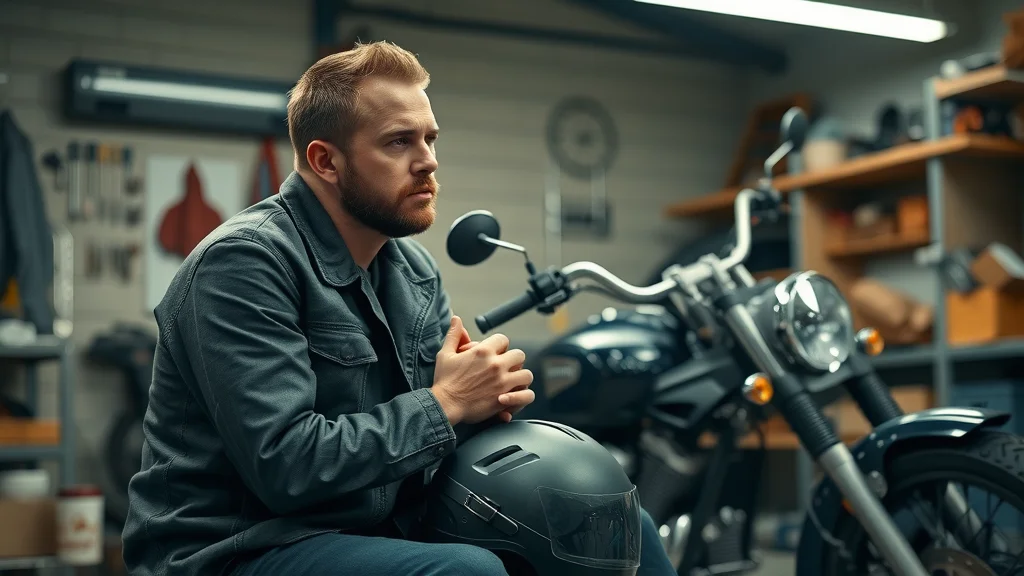
Concerned biker showing signs of mental health issues, sitting in a garage contemplating motorcycle maintenance issues

Breaking Barriers: Building a Culture of Openness in the Biker Community

Biker-led support movements are breaking ground and challenging the status quo within the motorcycling community. Initiatives such as peer support rides, “mental health first aid” workshops, and online forums dedicated to biker mental health awareness are steadily gaining traction. These efforts aim to create safe spaces for honest dialogue, mutual support, and connection—regardless of background or ride history.

Conversations once considered off-limits are now being celebrated as acts of courage. The sense of community fostered by these movements is a reminder that real toughness comes not from hiding pain but from facing it openly and helping riders build a culture where asking for help is not just accepted, but encouraged.

"It takes real courage to talk about mental health—especially in a world where toughness is expected."
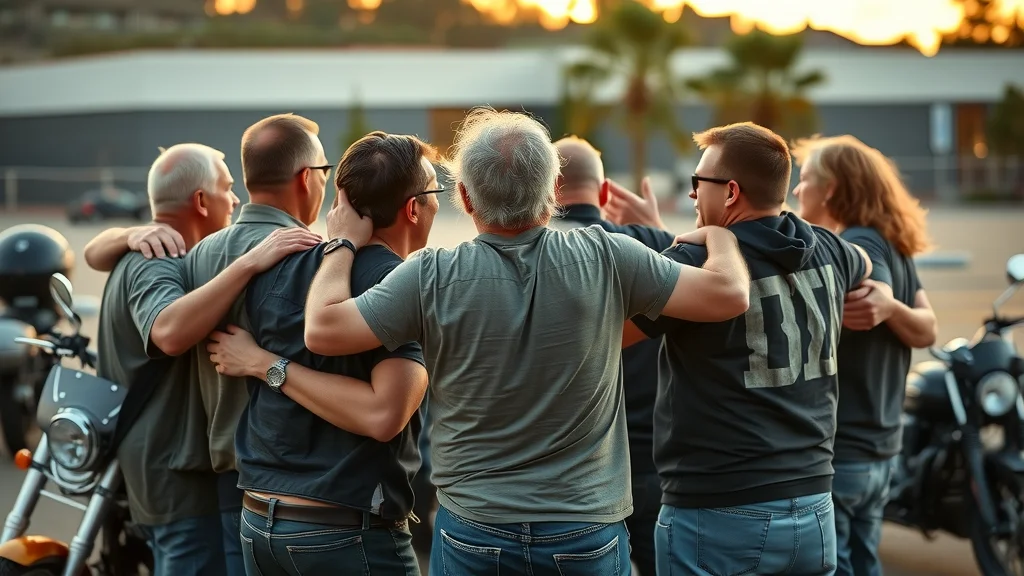
Supportive group of bikers building biker mental health awareness, gathered in a circle in a parking lot, signifying unity and courage

Practical Strategies for Biker Mental Health Awareness

  • Peer support rides and check-ins
  • Partnering with professional counselors familiar with biker culture
  • Safe spaces online and offline for open discussions
  • Emergency helplines and first responder support training

Implementing practical strategies ensures that biker mental health awareness translates into real-world change. Regular check-ins before and after group rides can help identify those in need of support. Having go-to counselors who understand the unique aspects of motorcycle life bridges the gap between mental health professionals and the riding community.

Online forums and in-person meetups make it easier for riders to share their personal challenges. Training members as first responders with a focus on mental health motorbike issues further enhances the culture of safety. By integrating both formal and informal networks, the biker community can build a robust framework for mental health support—helping all riders thrive on and off their bikes.

Watch a powerful video featuring riders and mental health motorbike advocates sharing their personal journeys and advice. The film captures moments from the open road, group rides, and private reflections, offering inspiration and practical wisdom to anyone committed to biker mental health awareness.

People Also Ask: Biker FAQs

What is the 12 second rule on a motorcycle?

The 12 second rule is a safety guideline stating bikers should scan the road ahead to a point they’ll reach in 12 seconds. This proactive riding habit not only boosts safety but promotes the mindfulness and full attention that are crucial for mental health awareness. Adopting the 12 second rule as part of your daily routine helps foster a sense of control while riding—a vital component in managing stress and maintaining emotional resilience.

What does 2 fingers down mean for bikers?

Extending two fingers down is a gesture among bikers symbolizing respect and solidarity on the open road. This sign is more than just tradition—it’s a powerful reminder of community and connection, which are key drivers of biker mental health awareness. Every time a rider shares this gesture, it reinforces the unspoken support system that exists between fellow motorcyclists, making a real difference in individual wellbeing.

What is the 1% rule in motorcycles?

The 1% rule refers to the notion that 1% of motorcyclists engage in outlaw or criminal behavior, distinguishing them from the 99% who follow societal norms. Today, however, the 1% rule has sparked broader conversations about individuality, freedom, and advocating for mental health among bikers. By focusing on empowerment and challenging stereotypes, riders can promote a culture of openness and acceptance—making mental health support accessible to all.

What does it mean if a motorcyclist taps his helmet?

When a biker taps their helmet, they’re signaling other riders about potential hazards ahead, like speed traps or roadblocks. This simple gesture illustrates the importance of looking out for others—a principle that easily extends to mental health awareness. Checking in on a fellow rider’s wellbeing can be just as crucial as warning them of obstacles on the road, emphasizing the interconnectedness that sustains the motorcycling community.

Key Takeaways to Drive Biker Mental Health Awareness Forward

  • Biker mental health awareness starts with courage and honest conversations
  • Riding a motorcycle offers unique mental health benefits but doesn’t shield against mental health risks
  • Building community and openness makes a significant difference

Discover Resources and Join the Conversation

Ready to support biker mental health awareness? Explore community forums, local group rides, and professional support resources to make a positive impact today

Take action now—let’s build a more compassionate, resilient, and aware biker community together.

As you continue your journey toward greater mental health awareness, remember that staying informed about all aspects of motorcycling is key to a safer and more fulfilling ride. From understanding the emotional impact of riding to keeping up with critical safety updates, every piece of knowledge empowers you and your community. If you want to deepen your awareness of current issues affecting riders, including urgent safety recalls and how they can influence both your peace of mind and your time on the road, take a moment to review the latest insights on serious crash hazards and recall alerts for motorcyclists. By combining mental health advocacy with proactive safety measures, you’ll be better equipped to support yourself and fellow bikers—on every ride, and every day.

Community Voices

0 Views

0 Comments

Write A Comment

*
*
Related Posts All Posts
12.27.2025

Invisible Mental Health Struggles You Can’t Ignore

Did you know that one in four people will face a mental or neurological disorder at some point in their lives? While some health challenges are visible and easily understood, many people are living with an invisible mental health struggle that goes unseen and unspoken Unveiling the Reality of Invisible Mental Health Struggles "One in four people will be affected by a mental or neurological disorder at some point in their lives." – World Health Organization **Invisible mental health struggles** often go unnoticed, but their impact reaches across every part of life. While society tends to rally support around visible health issues like a broken bone or surgery, invisible illnesses—such as depression, anxiety, or bipolar disorder—are frequently met with confusion or skepticism. This contrast creates a unique type of pain for people living with an invisible illness, leaving them to face not only the burden of the health challenge itself but also the sting of feeling misunderstood, judged, or dismissed. In our fast-paced, image-focused world (fueled by social media and surface-level observations), invisible mental health conditions can make people feel isolated, no matter how many people are around. Many of the most common mental illnesses, including depressive disorder and generalized anxiety, don’t present obvious symptoms. Instead, those affected are often expected to “look fine”—as if no mental health issue exists. This societal blindness not only delays recognition and treatment but can even make the condition worse. It’s time to take a closer look at the difference between visible and invisible illnesses, the challenges of living with an invisible disability, and how we can begin to break this silence. Invisible mental health struggles versus visible health challenges The key difference between **invisible mental health struggles** and visible health challenges lies in their outward signs. Visible physical health issues like a broken leg or skin rash clearly announce themselves and instantly attract compassion. By contrast, conditions such as depression, OCD, or PTSD offer no clear visual clue of their presence. For people with these mental health issues, daily experiences—ranging from overwhelming sadness to panic attacks—remain hidden behind the scenes, where family, friends, and coworkers may not notice or understand. This difference significantly affects the kind of support individuals receive. With a visible health condition, most people understand adjustments are needed—time off work, mobility devices, or caregiver support. With an invisible illness, expectations rarely change, leaving people feeling pressured to meet standards that may be unrealistic or even harmful for their well-being. Understanding this distinction is essential if we are to truly support people with invisible disabilities and help them achieve better quality of life. The stigma surrounding invisible illness and invisible disabilities Despite growing awareness, stigma around **invisible illness** and **invisible disabilities** persists, often fueled by outdated stereotypes and inaccurate information. Many assume if there are no outward signs of a health issue, then it must not exist, or the person must be exaggerating their struggle. This can lead to damaging phrases like “just snap out of it” or “it’s all in your head,” dismissing the reality of mental illness and discouraging people from seeking help. The effect of this stigma is profound—preventing open dialogue, limiting access to resources, and deepening the suffering of people living with an invisible disability. Tackling these barriers requires more than just awareness; it demands a shift in attitudes, so that empathy and understanding become the foundation of how we talk about mental health. Addressing stigma is not just about changing minds; it’s about saving lives. What You'll Learn About Invisible Mental Health Struggles The impact of invisible mental health struggles on individuals and society Key differences between visible and invisible illnesses Common types of invisible mental health conditions Society’s response and the need for increased awareness Defining Invisible Mental Health Struggles: Beyond the Surface Invisible illness: What does it mean for mental health? An **invisible illness** refers to any health condition that has a real impact on daily life but does not show obvious outward signs. In the context of mental health, disorders such as severe anxiety, major depressive disorder, or bipolar disorder fit this definition. Sufferers may look physically well, but internally they battle symptoms like anxious thoughts, mood swings, or severe fatigue that can make even small everyday tasks feel impossible. The invisibility of these mental health issues can be both a blessing and a curse. On one hand, it allows individuals to maintain a sense of privacy. On the other, it often leads to misunderstanding and underestimation of the severity of their condition. Because mental illness rarely leaves physical marks, even close friends and family may overlook or misunderstand the emotional turmoil involved. Invisibly, these battles can affect every aspect of well-being: relationships, careers, and even physical health. The spectrum of invisible disabilities impacting mental health **Invisible disabilities** span a wide variety of health challenges, from chronic mental illness to neurological conditions and beyond. While some invisible disabilities are strictly physical—like chronic pain syndromes—many intersect with mental health, making everyday life a complex struggle that’s difficult to explain. For instance, someone may have both an autoimmune disorder and depression, or a learning disability paired with anxiety. These overlapping challenges deepen the need for understanding and support. The invisible aspect means people often juggle multiple health issues simultaneously, rarely feeling fully “seen” or accommodated. Addressing invisible disabilities as part of the mental health conversation is vital for creating inclusive environments—at home, at work, and in the broader community. Living with an invisible mental health condition day-to-day **Living with an invisible mental health condition** can mean facing a silent battle every single day. People with mental health disorders like generalized anxiety, major depressive disorder, or OCD deal with intrusive thoughts, mood swings, or compulsions that make ordinary activities challenging. Even on days when outwardly everything looks “normal,” the internal reality can be overwhelming. The daily struggle often includes hiding true feelings for fear of judgment, pushing through symptoms to complete work or social obligations, and coping with the exhaustion that comes from keeping up appearances. Without visible symptoms, sufferers might not receive the encouragement or accommodations offered to those with a more obvious health condition. This isolation can worsen the mental health issue itself, leading to cycles of loneliness and discouragement—further proof that invisible doesn’t mean insignificant. It's important to recognize that invisible struggles aren't limited to mental health alone; they can also intersect with physical conditions, creating unique challenges for those affected. For a deeper look at how invisible disabilities can impact daily life and the importance of understanding these hidden conditions, explore our insights on navigating safety concerns and unseen risks in everyday environments. Table: Comparing Invisible Mental Health Struggles with Visible Health Challenges Type Visibility Common Symptoms Social Perceptions Support Systems Major Depressive Disorder (Invisible Mental Health) Invisible Low mood, fatigue, loss of interest, withdrawal Often misunderstood as laziness or moodiness Variable; support needed but not always received Generalized Anxiety Disorder (Invisible Mental Health) Invisible Restlessness, worry, irritability, difficulty focusing Misjudged as overreacting or being “overly sensitive” Limited, unless openly discussed Bipolar Disorder (Invisible Mental Health) Invisible Mood swings, periods of high/low energy, impulsivity Seen as dramatic or unstable Vary widely, often not visible to peers Broken Leg (Visible Health Condition) Visible Pain, swelling, mobility issues, cast Instant compassion and support Clearly structured—medical leave, devices, physical therapy Rheumatoid Arthritis Flare (Invisible Physical Illness) Often invisible Joint pain, fatigue, limited movement (may not show) Sometimes doubted unless symptoms are obvious Depends on disclosure and understanding Seasonal Allergies (Visible/Invisible) Partially visible Sneezing, red eyes (may or may not be obvious) Generally accepted, minimal stigma Broadly understood, treatments widely available Personal Reflections: Navigating Life With Invisible Mental Health Struggles "Not all pain is visible. Some scars are carried inside, far beyond what the eye can see." Living with an **invisible mental health struggle** is often described as moving through life with a silent burden. Those who experience persistent mental health challenges know that every day might bring a new battle—yet few around them truly notice the effort it takes simply to function. The workplace, family gatherings, or even relaxing at home can demand a constant performance of “normalcy.” For many, this leads to feelings of loneliness, frustration, or even guilt. Personal stories remind us that behind the bravest smiles, someone might be facing a health issue or mental illness that’s making life harder than anyone realizes. Friends and family often struggle to know how to help—or may even be skeptical of a struggle they cannot see. For those living with an invisible disability, finding someone who listens, believes, and supports them can make all the difference in coping, healing, and finding hope. The Most Common Invisible Mental Illnesses and Mental Health Issues Depression and dysthymia Generalized anxiety disorder Obsessive-compulsive disorder (OCD) PTSD Bipolar disorder Eating disorders Borderline personality disorder Invisible illnesses and their impact on social functioning **Invisible mental illnesses** impact social interactions in subtle but profound ways. Conditions like anxiety, bipolar disorder, or PTSD can make it hard to maintain relationships, keep up with social events, or perform well at work or school. Friends and colleagues may interpret withdrawal or mood shifts as a lack of interest or commitment, missing the real reason behind behavior changes. This misinterpretation often leaves people with invisible health issues feeling misunderstood and unsupported. Over time, this cycle of misunderstanding can damage self-esteem and deepen the isolation that comes with living with an invisible mental health challenge. Support, awareness, and empathy are critical for breaking this pattern and opening the door to healing. Barriers to Recognition: Why Invisible Mental Health Struggles Are Overlooked Societal misconceptions about invisible illness and invisible disabilities Society often fails to recognize the realities of **invisible illness** and mental health conditions. Misconceptions are widespread—such as believing mental illness is “just in someone’s mind” or that those suffering could “try harder” to overcome their struggles. These misunderstandings stem from a lack of education, limited exposure, and the human tendency to trust what can be seen over what is felt or described. These societal biases make it even harder for people with invisible disabilities to seek help. Not only do they face the internal challenge of their condition, but they also encounter resistance and doubt from people around them, sometimes including healthcare providers and employers. Overcoming these barriers begins with talking openly about all health challenges—not just the ones we can see. The role of language in perpetuating mental health stigma The language we use to discuss invisible disabilities and mental health challenges can unintentionally reinforce harmful stereotypes. Words like “crazy,” “unstable,” or “weak” perpetuate the idea that mental illness is a character flaw rather than a genuine health condition. Even well-meaning advice can come across as dismissive or invalidating. Changing how we talk about these issues—by choosing more accurate, respectful language—helps reduce stigma and makes it safer for those living with an invisible mental health struggle to ask for help. By rethinking our words and conversations, society can shift toward greater compassion and understanding of invisible illnesses. The Emotional Toll of Living With an Invisible Mental Health Condition Loneliness, validation, and misunderstanding One of the most intense impacts of an **invisible mental health issue** is the deep sense of loneliness. Because symptoms are internal and hard to describe, sufferers often feel unseen—even by their closest loved ones. The need for validation becomes urgent, as people question whether their struggles are “real” without physical proof. This lack of understanding can compound the emotional pain and make individuals less likely to open up about their health issue in the future. The cycle of silence and misunderstanding is tough to break, but increased awareness and intentional support from friends and family can provide comfort and reassurance. Knowing you are not alone is a crucial step in recovery and resilience. The pressure to appear ‘normal’ with an invisible mental health struggle People living with invisible health challenges often feel immense pressure to “act normal” and hide their true feelings. This pressure stems from a combination of internalized stigma, societal expectations, and the fear of negative consequences (like job loss or social exclusion). Sadly, the constant effort to mask symptoms can drain energy, worsen the underlying condition, and delay much-needed help. Real progress begins when both individuals and communities realize that there’s no shame in experiencing or discussing a mental health issue. Embracing authenticity and accepting vulnerability clears the path for support, understanding, and healing—both for individuals and for society as a whole. Intersection of Invisible Disability and Mental Health Challenges How mental illness and physical invisible illnesses often overlap It’s common for **mental illness** and **physical invisible illnesses** to occur together. For example, someone with chronic pain or an autoimmune disorder might also experience anxiety or depression due to the daily stress and limitations of their physical health condition. The mind and body are deeply connected, and each can shape the experience and management of the other. This overlap can complicate diagnosis and treatment, as healthcare providers need to look beyond obvious symptoms to see the full picture. For people with both invisible disabilities and mental health issues, the search for validation and understanding can be especially challenging. Effective care depends on recognizing this connection and providing comprehensive, integrated support. Invisible mental and physical health issues in the workplace The **workplace** can be both a lifeline and a significant source of stress for people with invisible mental health conditions. Many feel compelled to hide their struggles from colleagues and supervisors, fearing their job security or professional reputation. This can mean suffering in silence, missing days of work, or underperforming—not because of a lack of effort but because of very real health issues. Fostering a workplace culture that recognizes and accommodates invisible disabilities is essential for employee well-being and productivity. Leaders and HR professionals should encourage open dialogue, provide reasonable accommodations, and ensure mental health support is just as accessible as physical healthcare. Are Mental Health Issues Invisible? (People Also Ask) Understanding how mental health issues often lack visible signs Yes, mental health issues are often invisible. Unlike physical conditions that present clear, outward symptoms, most mental disorders exist beneath the surface, only identifiable through emotional, behavioral, or cognitive shifts. Someone might look “fine” on the outside while enduring intense anxiety, debilitating sadness, or uncontrollable compulsions. This hidden aspect of mental health challenges is a major reason why they are often misunderstood or downplayed. The invisibility of these issues makes it all the more critical for friends, family, and society to believe and support people when they share their struggles—even if there’s nothing obviously “wrong.” Compassion and listening are powerful ways to help people with an invisible mental health condition feel seen and valued. What Are the 4 Invisible Disabilities? (People Also Ask) Overview: mental illness, chronic pain, neurological disorders, learning disabilities The “four invisible disabilities” most commonly referenced are mental illness (including depression and anxiety), chronic pain (conditions like fibromyalgia), neurological disorders (such as epilepsy or migraines), and learning disabilities (like dyslexia or ADHD). Each of these health issues can significantly impact daily life, but they rarely offer physical “proof” of their existence. People living with invisible disabilities face similar challenges: misunderstanding, lack of accommodations, and the emotional strain of not being believed. Recognizing these health conditions as valid and real is a crucial step in building a more inclusive and compassionate society. What Mental Disorders Are Invisible Disabilities? (People Also Ask) Highlighting major invisible mental health conditions and their real-world effects Many major mental disorders count as invisible disabilities. Depression, bipolar disorder, anxiety disorders, obsessive-compulsive disorder, post-traumatic stress disorder (PTSD), and certain eating disorders can all have a profound effect on quality of life and social functioning, yet may not be outwardly apparent. These mental health conditions can make it difficult to work, maintain relationships, or even perform basic daily tasks. Without visible cues, it’s critical for others to trust those who open up about their struggles and avoid minimizing what they are going through. How Does Invisibility Affect Mental Health? (People Also Ask) The psychological impact of being unseen and unheard The feeling of being invisible—of struggling with something no one else can see or understand—can dramatically impact mental well-being. People with invisible mental health issues often internalize negative beliefs, thinking they are “weak” or “broken,” especially if others doubt or invalidate their experience. This can lead to low self-esteem, shame, and even more pronounced symptoms. The psychological toll of hiding one’s struggles or being misunderstood by friends, family, or coworkers can increase feelings of loneliness and despair. Addressing this invisibility with greater empathy, validation, and support is essential to helping individuals heal and thrive. Lifting the Veil: Advocacy for Invisible Mental Health Struggles Increasing awareness of invisible illnesses and invisible disabilities Raising awareness about invisible mental health struggles is key to making lasting change. This starts with sharing personal stories, promoting education, and challenging old stereotypes about mental illness and invisible disabilities. By speaking up, people with invisible health challenges can not only help themselves—they can inspire others and create more inclusive communities. Advocacy work includes everything from grassroots campaigns to mental health education in schools and workplaces. The more we talk about invisible issues, the less power stigma has to harm. Role of community, media, and education in reducing mental health stigma Communities, the media, and educational institutions all have a crucial role in tackling mental health stigma. Responsible media coverage can shape public opinion and highlight the realities of living with invisible disabilities. Schools and universities can provide information, resources, and support, teaching the next generation to care about mental health. When communities work together to create open environments, it becomes normal to talk about mental health—and to seek help when you need it. Promoting positive stories and sharing accurate information can help us all support people with invisible illnesses and improve quality of life for everyone. FAQs About Invisible Mental Health Struggles How can I support someone facing invisible mental health struggles? The best way to support someone with an invisible mental health issue is to listen without judgment, believe their experiences, and ask how you can help. Encouragement to seek professional help, gentle check-ins, and offering practical assistance (like accompanying them to appointments or helping with daily tasks) can make a significant difference. What resources are available for people living with an invisible mental health challenge? Resources include helplines, mental health organizations, online support groups, therapy services, and local advocacy groups. Many workplaces now offer Employee Assistance Programs, and public libraries often provide information on mental health services. Reaching out to trusted friends, family, or a primary care provider is a good place to start. How do invisible mental illnesses differ from visible health conditions? Invisible mental illnesses differ from visible health conditions in that they have no clear, outward signs. This makes them harder for others to recognize or understand, often resulting in less compassion and fewer accommodations. Both types of health challenges deserve equal support, but invisible issues require greater awareness and proactive empathy. Key Takeaways on Invisible Mental Health Struggles Invisible mental health struggles are as impactful as visible health conditions. Social stigma often prevents recognition and support. Education, advocacy, and open dialogue are vital for progress. If You or Someone You Know Is Coping With Invisible Mental Health Struggles—Here’s What to Do Next If you’re facing an invisible mental health issue—or supporting someone who is—remember that you are not alone. Reach out to a trusted person, seek professional care, or connect with a support group. Every step toward understanding and support makes a real difference. Let’s work together to lift the veil on invisible struggles—because everyone deserves to be seen, heard, and valued. Understanding invisible mental health struggles is just one part of building a safer, more empathetic world. If you’re interested in how hidden risks can affect our daily lives in other ways, consider learning about the importance of proactive safety measures and how unseen hazards can have serious consequences. For a broader perspective on recognizing and addressing invisible dangers—whether in health, safety, or community well-being—explore our coverage of critical safety alerts like the recent Kawasaki motorcycle recall and its implications for public awareness. Expanding your understanding of invisible risks empowers you to advocate for yourself and others, both in mental health and beyond.

12.26.2025

Depression Among Motorcyclists: Signs & Solutions

Did you know that recent studies suggest motorcyclists are up to two times more likely to struggle with depression compared to the general driving population? Despite the image of freedom and adventure that rides the open road, many bikers face a silent struggle with mental health that’s too often overlooked Understanding Depression Among Motorcyclists: Uncovering the Silent Struggle A study showed that over 30% of motorcycle riders report feeling prolonged sadness or hopelessness at least once per year — significantly higher than the population average. The stereotype of the fearless, independent biker often covers up the reality: depression among motorcyclists is underreported and misunderstood. Motorcyclists endure weather, risk behavior, and the psychological aftermath of motorcycle accidents, yet their mental health is rarely discussed openly. Many motorcyclists find solace in the present moment while riding, but this can also mask pain and suffering beneath the surface. Between accident risk, car crashes, and lifestyle challenges, riders often face psychological impact unnoticed by family, friends, and even fellow riders. Sadly, the combination of injury, identity shifts, and social stigma can deepen struggles with depression, leaving the motorcycle community with a pressing need for greater awareness and support. While the emotional aftermath of riding is significant, it's also important to stay informed about physical safety risks that can impact mental health. For example, recent safety alerts like the 2025 Kawasaki motorcycle recall due to a serious crash hazard highlight how mechanical issues can contribute to both accident risk and psychological stress for riders. What You'll Learn in This Opinion Piece on Depression Among Motorcyclists Key signs of depression specific to the motorcycling community The psychological impact of motorcycle accident experiences How personality traits and mental health interact on two wheels Practical solutions and the mental health benefits of riding Depression Among Motorcyclists: The Overlooked Connection to Personality Traits Do Certain Personality Traits Predispose Riders to Depression Among Motorcyclists? Motorcyclists commonly display personality traits like thrill-seeking, novelty seeking, independence, and resilience. These characteristics are often associated with a love for the open road and risk behavior, but they can also come with emotional vulnerabilities. High novelty seeking and risk behaviors are exhilarating, yet studies show these traits sometimes co-exist with introversion, carelessness, or harm avoidance. This mix can make it tough to process setbacks, leading to a higher risk of depression or anxiety after trauma. The motorcycle life attracts those who crave freedom and excitement, but it also appeals to those searching for an outlet for stress or an escape from emotional pain. The interaction of temperament and character is complex: while resilience helps many riders bounce back, others may internalize struggles and withdraw from their support networks. By understanding how personality traits shape mental health, the community can become more empathetic and effective in spotting early warning signs of depression among motorcyclists. The Psychological Impact of Motorcycle Accident Experiences How a Motorcycle Accident Can Trigger Depression Among Motorcyclists The trauma, pain and suffering, and shifts in identity that follow a motorcycle accident are profound. Even minor crashes can undermine a rider's confidence, while serious motorcycle accidents can lead to post-traumatic stress, anxiety, and depression. Physical injuries compound the emotional toll — especially when they interfere with returning to the open road. Mental health after an accident often hinges on psychological impact: some riders find peace through recovery and community, while others experience isolation, guilt, and hopelessness. The path ahead may feel uncertain, especially if pain and suffering persist or daily routines change dramatically. Psychological impact doesn’t end at the crash site. A motorcycle crash can alter a rider’s self-identity — transforming a symbol of strength into a reminder of vulnerability. This identity shift sometimes feeds a cycle where withdrawal, reluctance to ride, or careless behavior intensifies, heightening the risk for depression among motorcyclists. Injury lawyers, family, and therapists each play a role in the healing process, but openly discussing emotional recovery is often the missing piece. Recognizing the Signs: Symptoms of Depression Among Motorcyclists Withdrawal from riding and community: Riders may turn down invitations, skip group rides, or drop out of clubs, sacrificing social connections vital for navigating the road ahead. Changes in enjoyment during motorcycle riding: Once a source of excitement and peace, riding a motorcycle may suddenly feel like a chore, with the sense of freedom replaced by apathy or even dread. Increased risk-taking and disregard for safety: Uncharacteristic risk behaviors, including speeding, skipping motorcycle maintenance, or neglecting safety gear, can signal a deeper issue. Emotional shifts: Irritability, persistent sadness, anxiety, or mood swings — especially when linked to motorcycle life — deserve prompt attention for mental health benefits and safety. It’s critical for both riders and their loved ones to recognize these red flags early. Depression among motorcyclists doesn’t always look like typical sadness; sometimes, it reveals itself through changes in riding habits, risk behavior, or temperament and character. The earlier these signals are detected, the better the chances for meaningful healing. Mental Health and Motorcycling: Benefits and Barriers Can Riding a Motorcycle Improve Mental Health? Surprisingly, there are multiple mental health benefits and health benefits tied to riding a motorcycle. For many, the focus required to handle a bike silences negative thoughts, improves focus, and creates opportunities to find peace in the present moment. There’s also a therapeutic potential in the mindfulness of riding — the rhythm of the engine, the feel of the wind, and the scenery of the open road foster stress relief, self-reflection, and a restorative sense of freedom. Science backs up what riders feel: biomarkers of stress decrease after a motorcycle trip, helping improve emotional well-being. Still, these health benefits depend on the individual’s experiences and do not override the need for honest mental health support, especially after significant events like motorcycle accidents. Barriers Motorcyclists Face to Accessing Mental Health Support Cultural perceptions, social stigma, and a reluctance to show vulnerability are significant barriers. Motorcycle riders are traditionally seen as tough and self-reliant, making it difficult to seek help for pain and suffering unrelated to physical injuries. Many fear that opening up about mental health will threaten their standing in the riding community, or that therapists won’t understand their unique perspective. These challenges can delay or even prevent riders from accessing life-changing support. Shifting perspectives within motorcycle clubs or peer groups is essential to creating a safer, more open environment. Mental health is as important as physical safety gear — it is part of the foundation for a fulfilling motorcycle life. Solutions to Combat Depression Among Motorcyclists Community Support and Peer Networks Motorcycle clubs, group rides, and online communities are crucial sources of strength, understanding, and accountability. When riders open up about struggles, these shared spaces can provide validation and hope, reminding everyone they aren’t alone. Peer networks encourage open discussions about depression among motorcyclists, promote safe riding practices, and connect those in need with resources. Online support groups can be especially powerful for riders in remote locations or those reluctant to share in person. Professional Mental Health Services: Injury Lawyers, Therapists, and More After a motorcycle accident, working with an injury lawyer does more than resolve claims for physical injuries and pain and suffering. Experienced injury lawyers understand the psychological impact and can link riders to mental health professionals, support groups, and therapy tailored for the motorcycle community. Finding therapists with knowledge of motorcycle life, risk behaviors, and trauma is key. These professionals offer confidential, evidence-based care, helping motorcyclists reclaim confidence and safely get back to the open road. The collaboration between professional providers, clubs, and personal support networks is vital in building a resilient, healthy riding community. Prevention and Resilience: Building Positive Mental Health Among Riders Adopting safety practices — from routine motorcycle maintenance to wearing proper gear — boosts a rider’s sense of control, protecting both mental health and physical safety. Consistency builds habits that nurture confidence, reduce anxiety, and minimize careless behavior. Investing in personal growth, mindfulness, and self-care off the bike reinforces psychological well-being. This includes hobbies, healthy sleep, and connecting with family and friends beyond the riding community. Noted psychologist: "Understanding depression among motorcyclists means respecting the unique struggles faced on and off the road." People Also Ask: Depression Among Motorcyclists What are the early signs of depression among motorcyclists? Early signs can include chronic fatigue, decreased interest or enjoyment in riding a motorcycle, social isolation from group rides or clubs, and mood swings. Other warning signals may be careless behavior, risk-taking, and reluctance to maintain motorcycle safety routines. Recognizing these changes early is crucial for timely support and recovery. Can a motorcycle accident lead to mental health issues? Yes, motorcycle accidents can cause lasting trauma, both physically and mentally. Riders commonly experience depression, anxiety, and even PTSD as they process pain and suffering, identity shifts, and uncertainty about riding again. Seeking help from therapists and injury lawyers can facilitate holistic recovery after a motorcycle crash. What mental health benefits does riding a motorcycle offer? Riding a motorcycle can reduce stress, increase focus and attention, and foster a unique sense of freedom. The mindfulness present during rides creates an opportunity to find peace, clarity, and joy—helping riders manage daily life with greater resilience. Comparing Psychological Impact Before and After Motorcycle Accidents Aspect Before Accident After Accident Mental Health Status Generally positive; optimism, excitement for riding Possible depression, anxiety, or PTSD Personality Traits Shown Thrill-seeking, resilience, sense of freedom Increased harm avoidance, withdrawal, mood swings Risk Behavior Enjoyed responsibly with safety measures Potential for increased risk-taking or careless behavior Community Engagement Active participation in clubs/events Possible isolation from group rides and peers Key Takeaways on Depression Among Motorcyclists Motorcyclists face unique risks — and opportunities — regarding mental health. Community, therapy, and safe riding practices are crucial for prevention and recovery. Recognizing depression among motorcyclists is the first step to healing and a healthier motorcycle life. FAQ: Addressing Common Concerns on Depression Among Motorcyclists How can friends support a motorcyclist showing signs of depression? Friends can support by reaching out with empathy, listening without judgment, and encouraging open conversations about mental health. Suggesting professional help or accompanying the rider to group rides or events can also model acceptance and reduce stigma. Checking in regularly, both on and off the road, helps create a strong safety net. Are there special programs for riders dealing with mental health issues? Yes, several national and local organizations offer special programs for motorcycle riders, including mental health hotlines, peer group chat rooms, rider-specific counseling services, and workshops designed to address trauma and risk behaviors. Connecting through these programs can reduce isolation and promote a collective sense of purpose and care. Final Thoughts: Influencing a Healthier Narrative for Depression Among Motorcyclists By daring to talk openly about depression among motorcyclists and investing in community solutions, we can help riders rediscover the sense of freedom and resilience that brought them to the open road in the first place. If you’re interested in understanding how external factors can further influence rider safety and mental health, it’s worth exploring the broader landscape of motorcycle risks. Major events like the 2025 Kawasaki motorcycle recall serve as a reminder that both mechanical reliability and mental well-being are essential for every journey. By staying informed and proactive, riders can better protect themselves and their communities—on every level. Continue your journey toward safer, more mindful riding by learning how industry-wide safety updates and recalls can impact your experience on the road. Ready to Support Mental Health on the Open Road? Connect with Rider Communities Today. Your next conversation could save a life. Reach out, connect, and help make the motorcycle community a safer, more supportive place for every rider. Short documentary-style video depicting personal accounts from motorcyclists discussing the psychological aftermath of motorcycle accidents and how they've coped with depression and anxiety. Visuals include interview segments, riding footage before and after incidents, and supportive community interactions.

12.25.2025

PTSD in Bikers: What You Need to Know Now

Did you know? Studies reveal that up to 1 in 3 motorcycle accident survivors experience symptoms of post-traumatic stress disorder (PTSD) A Startling Perspective: PTSD in Bikers & the Aftermath of Motorcycle Accidents When people imagine a motorcycle crash, the focus tends to be on the physical injuries—broken bones, scrapes, or bruises. However, for many bikers, the real challenge starts long after the motorcycle accident fades from public view. Post-traumatic stress disorder (PTSD) in bikers often goes unrecognized because riders are perceived as tough, independent, and resilient. But under the surface, the aftermath of a bike crash can disrupt mental health, causing intrusive thoughts, emotional swings, and a persistent fear of getting back on the bike. The open road, once a source of freedom, can transform into a battlefield of traumatic memories. The PTSD cycle can make everyday life a mental struggle—impacting jobs, relationships, and even a rider's sense of self. Many motorcycle accident survivors delay seeking help or don't realize that flashbacks, anxiety, and sleep problems are all signs of PTSD. Without proper support, what starts as a health condition can turn into a lifelong burden. It's time to shed light on this invisible injury and push for better resources for bikers facing mental health struggles after a motorcycle crash. Unveiling the Hidden Statistics Around PTSD in Bikers Despite the prevalence of PTSD in bikers, statistics remain surprisingly underreported. Research indicates that approximately 30% of bike crash victims experience significant PTSD symptoms in the months following an accident. In comparison, rates of PTSD after car crashes hover near 15%, revealing that bikers are disproportionately vulnerable. Mental health professionals note that many cases slip through the cracks as riders misattribute their emotional challenges to everyday stress or physical injuries. The invisible scars of a motorcycle crash can show up as nightmares, trouble focusing, emotional numbness, or sudden panic while riding a motorcycle—or even thinking about it. Data from groups like veterans and first responders shows even higher rates, but civilian bikers too often face their struggles alone. This lack of awareness means fewer bikers access vital therapy and legal resources post-accident, intensifying the long-term consequences of unaddressed traumatic stress. “PTSD doesn’t discriminate based on the type of vehicle you ride. For many bikers, the open road can become a battlefield of memories.” What You'll Learn: Understanding PTSD in Bikers after a Motorcycle Accident The psychological impact of bike crash trauma How PTSD symptoms manifest differently in riders The importance of seeking mental health support after a motorcycle crash Unique challenges for motorcycle accident survivors Defining PTSD in Bikers: Beyond the Motorcycle Accident PTSD in bikers isn't just about the moment a motorcycle crash happens—it's the persistent aftermath that affects every corner of a rider's daily life. Post-traumatic stress disorder is a mental health condition triggered by traumatic experiences, like a bike crash, that overwhelms the nervous system. While physical injuries are often treated first, the stress hormones released during and after an accident can cause psychological wounds that outlast physical scars. These emotional responses may persist long after the body has healed, signaling an invisible injury that demands attention from health professionals. For many, the aftermath of a motorcycle accident creates a cycle of isolation, disrupted sleep, irritability, and an inability to enjoy activities that once brought joy. Unlike the short-lived stress reactions most people have after a scare, PTSD symptoms are chronic and interfere with everyday life. Acknowledging this distinction is the first step toward helping bike crash victims move beyond the crash and start healing the mind as well as the body. It's also important to recognize that not all motorcycle-related trauma stems from accidents alone—sometimes, mechanical failures or manufacturer recalls can contribute to dangerous situations on the road. For instance, recent safety alerts like the 2025 Kawasaki motorcycle recall highlight how unexpected hazards can increase both physical and psychological risks for riders. How PTSD after a Motorcycle Crash Differs for Bikers Unlike other accident survivors, bikers often identify strongly with motorcycle riding as a core part of who they are. A bike crash can not only cause traumatic stress disorder but also shake a rider’s sense of confidence, independence, and belonging within the riding community. Many bikers report feeling alienated or misunderstood by friends and family who haven’t experienced such an event. Additionally, the unique sensory triggers associated with motorcycle riding—like the rumble of the engine, the smell of fuel, or the cool rush of wind—can evoke vivid memories of the crash, making the road itself a source of anxiety. This can lead to bikers avoiding their motorcycles, withdrawing from social rides, or developing rituals to try and manage their fear. The struggle to maintain their identity and "get back on the bike" is often complicated by a sense of shame or guilt for feeling weak or vulnerable, compounding their PTSD symptoms. Recognizing PTSD Symptoms after a Bike Crash Recognizing PTSD symptoms early can be life-changing for bikers. Common signs of PTSD after a motorcycle crash include recurring intrusive thoughts about the accident, sudden emotional outbursts, nightmares, and hypervigilance on the road. Crash victims may notice that everyday situations—like hearing a motorcycle engine or seeing tire skid marks—cause immediate anxiety or panic, disrupting normal routines. These symptoms can also lead to problems with memory, focus, and relationships as the brain struggles to process the traumatic event. Some may avoid friends, family, or biking altogether, fearing another accident. It’s important to note that these reactions are not a sign of weakness, but rather the mind's attempt to cope with overwhelming stress. Families, friends, and health professionals can support recovery by watching for these signs of PTSD and encouraging early intervention before the condition becomes deeply rooted in daily life. Mental Health and Motorcycle Accidents: The Connection Bikers face unique risks when it comes to mental health after a motorcycle accident. The statistics speak volumes: riders are more likely to suffer PTSD than drivers of other vehicles due to the severity and suddenness of the trauma. Motorcycle accidents often involve loud sounds, high-speed impacts, and little physical protection, amplifying the sense of vulnerability even in seasoned riders. In the wake of a crash, the nervous system is flooded with stress hormones designed to protect the body but can leave the mind in a constant state of hyperarousal. For some, this leads to acute stress disorder that progresses into chronic PTSD, impacting professional life, family dynamics, and self-esteem. Timely support from mental health professionals can mean the difference between a difficult chapter and a lifelong battle with mental health conditions. Addressing mental health is as essential as treating visible wounds for motorcycle accident survivors. Why Riders Are Vulnerable After a Motorcycle Crash Motorcycle riding is inherently risky. When a motorcycle crash happens, riders have little between them and the pavement. This heightened sense of danger can leave lingering fear and anxiety. Bikers are also more likely to experience more severe physical injuries, which can extend recovery and add to emotional strain. Stigma around mental health in biker culture may also prevent individuals from seeking help. The internal battle—between wanting to preserve a tough exterior and facing the reality of traumatic stress disorder—leaves many riders vulnerable longer than necessary. Support systems, open access to therapy, and reassurance from other riders and health professionals can help break through these barriers and reduce the risk of long-term psychological harm after a motorcycle accident. Understanding PTSD Symptoms in Bikers Symptoms of PTSD in Bikers General PTSD Symptoms Specific Triggers after Bike Crash Flashbacks of the crash Recurring nightmares Revving engines, screeching brakes Avoiding riding motorcycles Emotional numbness Passing accident sites Startle reactions Difficulty sleeping Sudden loud noises Panic attacks when near traffic Negative changes in mood or beliefs Feeling vibrations from the road Veterans and First Responders: PTSD in High-Risk Biker Groups A significant proportion of bikers are military veterans and first responders—groups already at high risk for PTSD due to the nature of their service. For these riders, the combination of past trauma and a motorcycle accident can intensify PTSD symptoms. Veterans and first responders often turn to motorcycling as a form of stress relief, but a severe bike crash can bring back memories of earlier trauma, creating a complex web of psychological difficulties that is hard to untangle alone. Support for these groups is crucial. Specialized programs—often run by mental health professionals familiar with military or emergency backgrounds—can make the difference between ongoing suffering and successful recovery. Sharing stories, participating in peer-led support groups, and understanding that help is available are key steps for veterans and first responders who experience PTSD in connection with a motorcycle accident. Lessons from Veterans and First Responders for Civilian Riders Veterans and first responders have paved the way in talking openly about PTSD, creating valuable lessons for civilian riders. They show that seeking support is not a sign of weakness but a vital part of long-term healing. Many of these high-risk groups find comfort in community—connecting with fellow riders who share similar backgrounds or experiences. By fostering peer support networks and encouraging open dialogue about mental health, these bikers prove that it is possible to regain trust in the road and in oneself after a traumatic event. Civilian bikers can benefit by following this lead, learning to recognize PTSD symptoms and seek help early to avoid long-term damage to their well-being and relationships. Treatment Options for PTSD in Bikers after a Motorcycle Accident Recovering from PTSD after a motorcycle accident relies on targeted treatment options, professional support, and the understanding that no one needs to face the journey alone. Therapy, particularly evidence-based approaches like cognitive behavior therapy (CBT), can help bikers reframe traumatic memories and develop effective coping strategies. Finding a mental health professional experienced in treating PTSD is crucial, as is exploring group therapy or peer support specific to riders. Legal issues, such as pursuing compensation for personal injury or medical expenses, can add stress. Experienced accident lawyers play a key role in helping bikers navigate claims, allowing them to focus on healing rather than financial or legal worries. Building a strong support system—combining medical, psychological, and legal resources—empowers riders to take an active role in their recovery. How Cognitive Behavior Therapy Can Help after a Motorcycle Crash Cognitive behavior therapy (CBT) is widely recognized as a powerful tool for treating PTSD symptoms in bikers following a motorcycle crash. CBT helps riders identify and challenge unhelpful thought patterns—such as expecting another crash every time they ride—which contributes to anxiety and avoidance behaviors. The therapy process often combines gradual exposure to distressing reminders, relaxation techniques, and practical exercises to build coping skills. For many bikers, CBT empowers them to reclaim daily life and enjoy the open road again, reducing the grip of traumatic memories. Unlike some talk therapies, CBT is structured, goal-oriented, and can be adapted for group or individual sessions. Working with a cognitive behavior specialist familiar with trauma and the unique demands of motorcycle riding can make the path to recovery smoother and more effective. Support Systems and the Role of Accident Lawyers Professional support extends beyond therapy. Many bikers benefit from joining peer support groups where experiences are shared without judgment. These communities, whether online or local, offer understanding and advice tailored to motorcycle accident survivors. In addition, an experienced accident lawyer can provide essential guidance for legal claims—ensuring riders get the compensation they deserve for both physical and mental health issues arising from a bike crash. Accident lawyers are skilled in handling personal injury cases, negotiating with insurance companies, and documenting PTSD as part of an injury claim. Seeking a free consultation with an attorney who specializes in motorcycle accidents can help ease the burden on crash victims, allowing them to prioritize health and healing. Combining legal, psychological, and peer resources creates a network of support crucial for overcoming PTSD after a motorcycle accident. Therapy resources for motorcycle accident survivors Peer support groups for bikers with PTSD Legal considerations and accident lawyers in trauma recovery People Also Ask: Common PTSD in Bikers Questions How to get over motorcycle PTSD? Overcoming motorcycle PTSD involves acknowledging the trauma, seeking professional mental health support, and taking recovery step by step. Many riders benefit from cognitive behavior therapy, peer support groups, and gradually reintroducing themselves to riding in safe, controlled environments. It's essential not to rush the healing process, and to recognize that feeling fear after a stressful event is normal. Connecting with experienced health professionals, friends, or even a qualified accident lawyer can help alleviate both the emotional and practical challenges following a motorcycle crash. Expert advice and practical steps for recovery after a motorcycle accident Experts recommend a multifaceted approach to recovery which includes therapy, regular exercise, healthy routines, and building a strong social or community support system. Maintaining open communication with family and close friends, practicing mindfulness techniques, and seeking legal or financial guidance when needed further support the healing process. Above all, patience and persistence are key—PTSD symptoms often subside as confidence and emotional resilience are rebuilt with time and care. What not to do around someone with PTSD? When supporting a biker with PTSD, avoid dismissing their feelings, pressuring them to "get over it," or exposing them to sudden loud noises and stressful situations reminiscent of the accident. Instead, offer a listening ear, respect their boundaries, and encourage them to seek qualified help. Simple acts of understanding and patience can make a transformative difference for someone struggling with PTSD after a motorcycle crash. Guidelines for supporting bikers after a bike crash Support begins with empathy—validate the person’s experiences, allow them space to talk (or not talk), and avoid forcing conversations about the crash. Don’t minimize symptoms or suggest that the rider is overreacting. Instead, gently encourage participation in support groups, and help facilitate connections with mental health professionals or accident lawyers specializing in motorcycle accidents. Community and compassion are essential for helping bikers recover fully. What is the red flag of PTSD? Key warning signs for PTSD after a motorcycle accident include persistent flashbacks, nightmares, emotional numbness, avoidance of reminders of the bike crash, and marked withdrawal from daily activities or social gatherings. If a biker displays noticeable changes in mood, frequent anxiety on the road, or trouble sleeping that lasts more than a month, these should be treated as urgent signs that help is needed. Key warning signs for PTSD after a motorcycle accident Red flags include any significant deterioration in work, family, or personal relationships, sudden mood swings, self-medication with drugs or alcohol, and repeated intrusive thoughts about the crash. Recognition of these symptoms—by the individual, family, or health professionals—can dramatically accelerate the path to effective PTSD treatment and recovery. What is the best thing to do for PTSD? The best thing to do for PTSD is to seek professional help from mental health experts experienced with trauma and PTSD. Early intervention, comprehensive therapy, community support, and, when necessary, legal consultation are crucial. Don’t wait for symptoms to worsen—reaching out is the first and most important step toward getting “back on the bike,” both literally and figuratively. Recommended actions for bikers struggling after a motorcycle crash Bikers should prioritize connecting with a mental health professional, join relevant peer support groups, and consider discussing personal injury claims with an accident lawyer to reduce outside stressors. Practicing patience and engaging with family, friends, and the biker community can help make recovery less isolating and more manageable, ensuring riders get back to enjoying the open road with renewed confidence. Key Takeaways About PTSD in Bikers Prompt recognition of PTSD symptoms after a motorcycle accident improves recovery Both medical and legal help may be critical for bikers coping with mental health challenges Building community and support networks is vital after a bike crash Frequently Asked Questions About PTSD in Bikers Is PTSD common after a motorcycle crash? Yes, up to a third of motorcycle crash victims may experience PTSD, making it more common than in many other vehicle accident survivors. Can accident lawyers assist with PTSD claims for bikers? Absolutely. An experienced accident lawyer can help bikers document PTSD as part of their personal injury claim and pursue financial compensation. Are certain riders at a higher risk of PTSD? Veterans, first responders, and those with previous trauma are often at greater risk, but any biker involved in a serious crash can develop PTSD. Moving Forward: Take Action to Support Bikers After PTSD Recognizing PTSD in bikers is the first step. Don’t let the invisible wounds stay hidden—seek help, reach out to supportive resources, and encourage fellow riders to do the same. The road to healing is open to all who are willing to ride it together. As you continue your journey toward recovery and safer riding, it's wise to stay informed about broader safety issues that can impact your well-being on the road. Understanding how manufacturer recalls and emerging crash hazards—such as those recently highlighted in the 2025 Kawasaki motorcycle recall—can help you make proactive decisions about your bike and your safety. By combining mental health awareness with up-to-date knowledge of industry developments, you empower yourself to ride with greater confidence and resilience. Explore these topics further to strengthen your support network and ensure every ride is as safe and enjoyable as possible. Your path to recovery and empowerment is paved with both self-care and informed action.

Terms of Service

Privacy Policy

Core Modal Title

Sorry, no results found

You Might Find These Articles Interesting

T
Please Check Your Email
We Will Be Following Up Shortly
*
*
*