
Did you know? More than 8 million adults experience PTSD every year in the United States—many of whom are bikers seeking relief and freedom on the open road
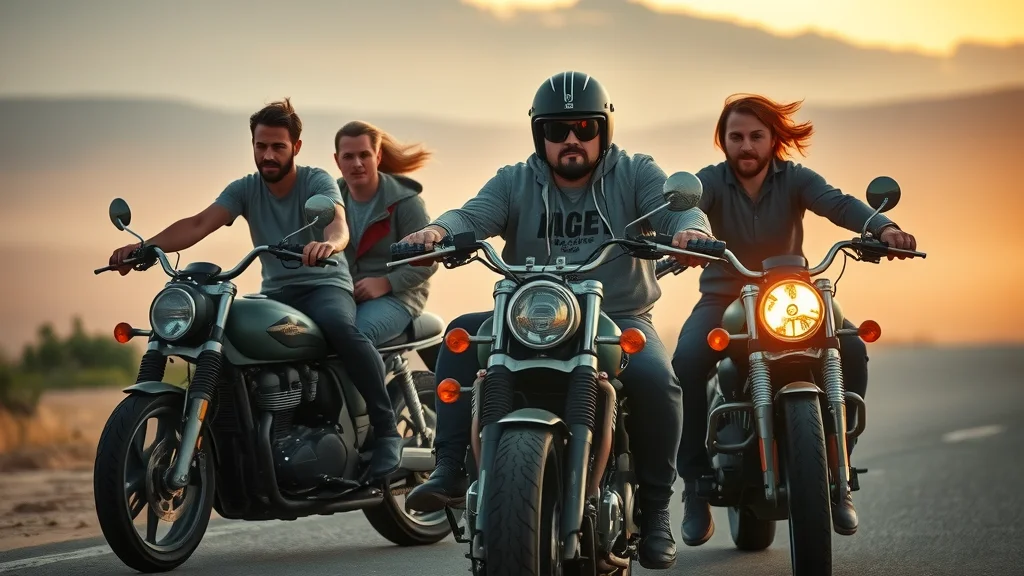
“Over 8 million adults experience PTSD annually in the U.S.—a number that includes countless bikers riding to find relief.”
Unveiling the Reality: PTSD, Depression, and Biker Culture
In biker culture, strength and independence are admired, but what often goes unspoken is the mental toll of past traumatic events, from major accidents to personal loss. Coping with PTSD and depression can be a silent struggle as many bikers turn to the open road for solace. Unfortunately, the very culture that brings camaraderie can sometimes discourage open conversations about mental health problems. Yet, recognizing stress disorder and traumatic stress as real health conditions is the turning point to recovery. The symptoms of PTSD and depression aren’t a sign of weakness—they’re a common response to surviving extremely hard events, like a car accident or other traumatic experience. Acknowledging this reality in biker communities helps break barriers to healing, paving the way to better self-care, connection, and ultimately, reclaiming joy on two wheels.
Taking action begins with honest recognition. By reading this comprehensive guide, you’re taking a meaningful step to support your own mental health or that of a fellow rider. Whether you’ve experienced trauma firsthand, are feeling lost after a challenging chapter, or simply want to empower your group, you’ll find clear information and practical tips here. The path to treating and understanding PTSD in a culture often marked by grit and stoicism can be tough—but with the right tools, nobody rides alone.
While understanding the emotional aftermath of trauma is crucial, it's equally important to stay informed about physical safety risks that can contribute to stress and anxiety. For example, recent safety alerts like the 2025 Kawasaki motorcycle recall and its potential crash hazards highlight how mechanical issues can impact both your wellbeing and peace of mind on the road.
What You’ll Learn in This Guide on Coping with PTSD and Depression
- Understanding PTSD and associated stress disorder in bikers
- Detecting symptoms of PTSD and depression
- Effective mental health self-care strategies for riders
- Building support systems within the biker community
- Navigating health care options for traumatic stress
- Practical steps for long-term healing and empowerment
Understanding PTSD and Depression in Bikers
Defining PTSD and Depression: Key Differences and Overlaps
Post-Traumatic Stress Disorder (PTSD) is a mental health condition that develops after facing terrifying or life-threatening events. Common triggers include severe car accidents, military service, violence, or losing a loved one (family member). PTSD involves persistent flashbacks, nightmares, avoidance behavior, mood changes, and lasting anxiety. In contrast, depression is mainly marked by a deep, ongoing sadness, loss of pleasure, fatigue, and even physical symptoms. It may or may not connect to a single traumatic event, and it often overlaps with PTSD—meaning you can experience both at once. Recognizing their unique and shared signs helps you understand your experiences and move toward the right mental health approach.
For people who have experienced trauma, the line between PTSD and depression can blur, but knowing their distinctions allows for more targeted treatment options. Some symptoms of PTSD include reliving the traumatic experience, while depression’s hallmarks are hopelessness and isolation. Different as they are, both mental health issues respond well to intervention and support, especially in high-risk groups like bikers. Learning how coping with PTSD and depression works for you is the foundation for healing—no shame, just honest insight.

The Unique Connection Between Biker Life and Traumatic Stress
The biker lifestyle’s thrill and freedom can offer relief and moments of escape for those with traumatic experiences. However, it can also contribute to exposure to situations likely to cause traumatic stress—like high-speed riding, accidents, and encounters with violence. The close-knit but sometimes stoic biker culture often means struggles are kept beneath the surface. Group rides and solidarity can help, yet the stigma associated with mental health conditions like stress disorder makes open discussions rare. Riders who have experienced trauma may find the act of riding both an outlet for emotions and, at times, a trigger.
Some bikers view their bikes as lifelines, helping them manage thoughts and feelings that seem overwhelming off the road. Still, it’s important to distinguish healthy coping from avoidance. Nurturing open communication and support within the community is the key to transforming the ride into a force for real healing, rather than just temporary relief.
Factors That Make Bikers More Vulnerable to Stress Disorder
Life on two wheels brings unique risks. High speeds, unpredictable encounters, and a culture that prizes toughness make bikers more susceptible to develop PTSD. Riders may feel like they must process traumatic events—such as crashes, loss, or even witnessing harm to a fellow rider—on their own. Repeated exposure to adrenaline rushes or close calls can raise stress levels over time, leading some to experience PTSD symptoms more intensely.
Societal expectations, stigma about expressing emotion, and limited access to specialized mental health care also create barriers. Many bikers come from backgrounds where discussing stress disorder is discouraged, increasing the chance that mental health issues remain hidden until they become overwhelming. Building awareness and breaking these patterns is essential for both individuals and the health of the community.
Symptoms of PTSD and Depression: What to Look For
| PTSD Symptoms | Depression Symptoms |
|---|---|
| Nightmares & flashbacks of a traumatic event | Persistent sadness or hopelessness |
| Avoiding reminders of the trauma | Loss of interest in hobbies or riding |
| Being easily startled, jumpy, or hyper-vigilant | Chronic fatigue and low energy |
| Emotional numbness or feeling detached | Trouble concentrating or making decisions |
| Irritability or sudden anger outbursts | Eating or sleeping more or less than usual |
| Negative changes in thoughts and feelings | Feelings of guilt or worthlessness |
Recognizing the Signs: From Emotional Detachment to Anger Issues
Spotting the symptoms of PTSD and depression isn’t always straightforward—especially if you're wearing a "tough" persona out of habit or expectation. Many bikers describe feeling emotionally numb, angry, or “checked out,” sometimes without realizing it’s linked to a traumatic event. Common indicators of stress disorder include avoiding certain places, people, or even conversations that could bring up the trauma. Irritability and sudden bursts of anger can become patterns that affect not only your mood but also your close relationships and performance on the road.
Similarly, the signs of depression—like persistent fatigue, disinterest in riding, or trouble sleeping—often creep in quietly. If you or someone in your group is displaying these changes in behavior, it’s not just a “bad patch.” Acknowledging these signals, whether subtle or overt, is a crucial move toward rebuilding mental health and rediscovering the true joy of riding.
When Do Riders Typically Develop PTSD?
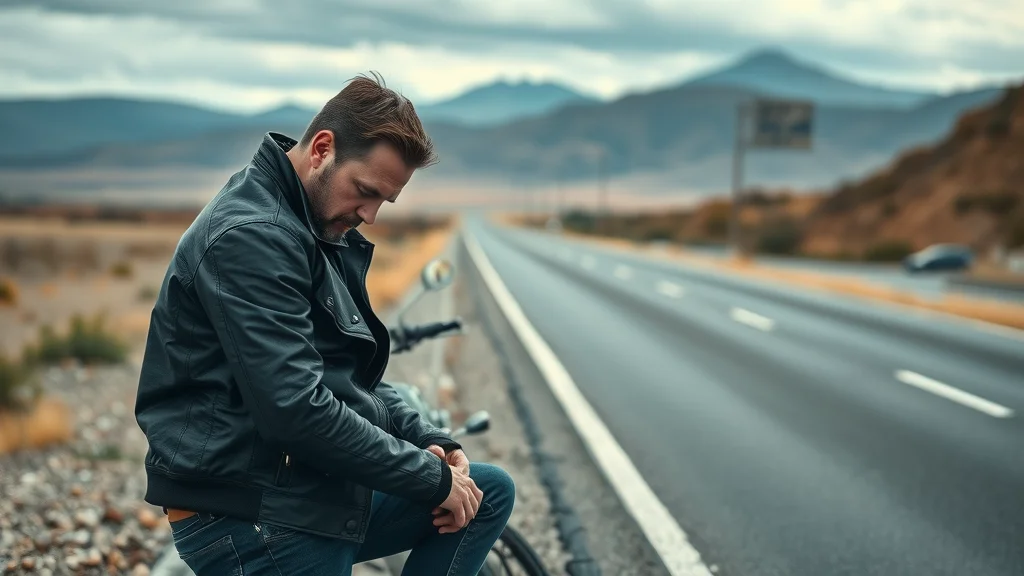
Riders may develop PTSD after a single traumatic event like a severe accident or gradually over time from repeated exposure to danger and stress. Many report that symptoms appear weeks or months after the incident but can also emerge years later, particularly if new stressors resurface old memories. Events that spark PTSD in bikers include car accidents, serious “close calls,” or witnessing harm to others during group rides.
It’s important to know there’s no “normal” timeline for the onset of PTSD. Some bikers might recognize PTSD symptoms soon after a crash, while others keep moving forward until triggers—like sounds, smells, or even the sight of a bike—cause past trauma to resurface. No matter when PTSD emerges, early recognition and compassionate support are the best ways to treat PTSD and prevent further decline in mental wellbeing.
The Impact of Untreated PTSD and Depression on Mental Health
How Mental Health Shapes Quality of Life and Riding Performance
If left unaddressed, PTSD and depression can impact every aspect of a biker’s life—from relationships and work to the very act of riding. Mental health shapes how you interpret the world, react to danger, and make decisions. When your mind is clouded by traumatic stress or sadness, focus and awareness suffer, increasing the risk of accidents and jeopardizing both your physical and emotional safety.
Coping with PTSD and depression means more than “feeling better”—it’s vital for safe, confident riding and a higher quality of life off the bike. Addressing mental health conditions early allows riders to regain their passion, reconnect with others, and fully experience the freedom that biker culture promises.
Health Condition Risks: Substance Abuse, Relationship Strain, and More
Untreated stress disorder and depression can lead to more serious health conditions, including substance abuse, chronic pain, or risk-taking behaviors. Some bikers may use alcohol, drugs, or even excessive riding to “numb” their feelings—a method that offers momentary relief but often deepens isolation and health challenges.
Relationships with family members and friends often become strained as withdrawal, anger, or emotional numbness emerge. Over time, the risk of losing support increases, making the journey even harder. Addressing symptoms promptly preserves not just individual wellbeing but the bonds that keep bikers connected through thick and thin.
Breaking the Stigma: Creating Safe Spaces in Biker Groups
Why Bikers Often Hide Symptoms of PTSD
The “tough-as-nails” mentality is cherished in biker culture but can be a double-edged sword. Many bikers hide symptoms of PTSD for fear of appearing weak or being judged by others. Generations of learned behavior and the desire to be seen as strong contribute to a reluctance to seek help or admit to emotional struggles.
Yet, mental health is not a reflection of character. The reality is that people with PTSD are holding strength simply by living through their experience—and speaking openly about it is a mark of pure courage.
“It’s not weakness—talking about mental health is pure courage.”
How to Foster Open Conversations about Mental Health
Creating safe spaces for dialogue doesn’t require therapists; it starts with one supportive friend, an accepting club, or even an anonymous online group. Encouraging genuine check-ins, sharing personal stories, and normalizing mental health problems in everyday conversation make seeking help easier. Biker groups can designate “support riders” or offer informal circles where struggling members feel comfortable opening up.
Building these habits within biker culture strengthens trust and deepens connections, helping every member feel confident enough to seek or give help. When it becomes normal to talk about coping with PTSD and depression, the healing journey becomes one riders can undertake together—never alone.
Self-Care Strategies for Coping with PTSD and Depression
- Prioritizing healthy routines (nutrition, sleep, exercise)
- Therapeutic effects of riding and mindfulness
- Identifying and avoiding common triggers
Developing Mental Health Daily Habits for Riders
Routine lays the foundation for coping with PTSD and depression. Start with small, achievable steps—consistent sleep schedules, nutritious meals, and regular physical activity. Even gentle rides or walking count. Mindfulness practices, like breathing exercises before you ride out or a short reflection after, reduce anxiety and reinforce a sense of control.
Keeping a daily log or journal about your moods, triggers, and positive moments on and off the bike can help you and your support circle spot patterns and celebrate improvements. Sustainable self-care isn’t about radical change overnight, but nurturing habits that rebuild mental and physical strength day after day.

The Power of Peer Support in Coping with Traumatic Stress
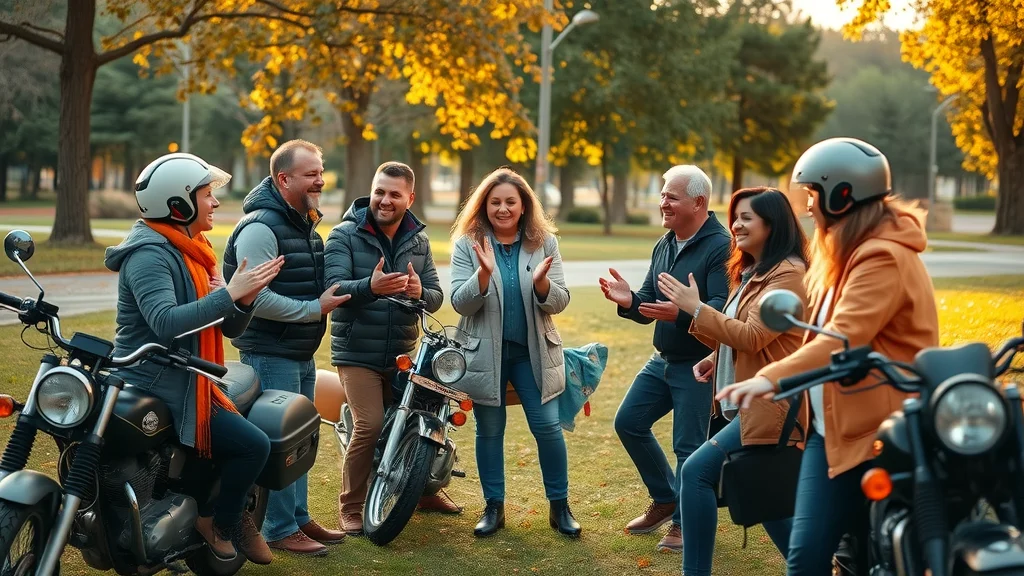
For many bikers, nothing heals quite like the understanding of someone who’s “been there.” Peer support—whether through riding clubs, support groups, or trusted friends—offers validation, motivation, and hope. Even a simple message or a ride together can break the sense of isolation and provide guidance for managing difficult days.
Don’t overlook the impact of small acts: checking in, listening without judgment, or inviting someone for a ride can be lifelines for those coping with PTSD. As you grow comfortable, you’ll also become more influential in encouraging others to embrace their journey toward healing.
Seeking Professional Help: Navigating Health Care Options
When and Where to Seek Mental Health Care
Knowing when to seek help is as important as knowing where. If symptoms of PTSD or depression disrupt your ability to enjoy, work, or stay safe on the road, it’s time to reach out. Look for mental health professionals—therapists, counselors, or clinics with experience in treating trauma and working with high-risk groups.
Many health care options exist: local community clinics, veterans’ services, telehealth providers, and workplace or club resources. The key is to start the conversation. Remember, acknowledging the need for professional help is the strongest move you can make toward recovery.
“A skilled therapist can help unlock the journey to recovery, one mile at a time.”
The Role of Support Groups and Community Resources
In addition to therapy, peer-led support groups, whether in person or online, create spaces where riders can share, learn, and grow together without pressure. National organizations, crisis hotlines, even biker clubs with a mental health focus offer structured and informal ways to get information and emotional backing.
Don’t underestimate the value of connecting with people who have experienced something similar. A support group offers both advice and solidarity, and can be a stepping stone to professional mental health care.
Access to Health Care: Insurance and Financial Considerations
Cost is a major concern, but most health insurance plans cover a range of mental health services—including therapy, medication, and hospital stays. Look for sliding-scale clinics, assistance programs, or nonprofit resources if uninsured. Some national and state programs specifically support those with PTSD, such as veterans or accident survivors.
If you’re unsure where to begin, visit an official website such as SAMHSA or your insurer’s portal. Don’t let finances be a barrier—help is available, and planning is a big step in the overall recovery process.
Medical Interventions for Symptoms of PTSD and Depression
Medication Options: Managing PTSD, Anxiety, and Depression
Sometimes, self-care and counseling need to be paired with medication to address the biological effects of stress disorder and depression. Doctors often prescribe SSRIs (selective serotonin reuptake inhibitors) and SNRIs (serotonin-norepinephrine reuptake inhibitors)—these are the main treatment medications for PTSD and major depressive episodes. Medication for anxiety or sleep disturbances might also be recommended as part of a comprehensive plan to stabilize mood and clear thinking.
Finding the best medication is a personal process that requires input from a health professional. Never self-prescribe or abruptly change dosages. Open communication with your provider ensures safe, effective treatment and helps you monitor progress without undermining your passion for riding.
Therapies that Work: CBT, EMDR, and Alternative Approaches
Cognitive behavioral therapy (CBT) remains one of the most effective approaches for treating PTSD and depression. CBT helps bikers challenge negative beliefs, manage triggers, and develop coping skills for lasting change. Many find Eye Movement Desensitization and Reprocessing (EMDR) particularly helpful for processing traumatic memories and reducing the sting of flashbacks.
Alternative therapies—such as mindfulness meditation, yoga, art, or equine therapy—can complement traditional treatment by providing nonverbal ways to express and manage feelings. The most successful recovery journeys combine multiple treatment options tailored to your needs, guided by a mental health professional.
Building Resilience: Long-term Coping with PTSD and Depression
- Developing a personal wellness plan
- Lifestyle shifts that promote healing
- Staying connected to positive influences
Tracking Progress and Setting Realistic Goals
Recovery isn’t a straight road—it’s a series of ups, downs, and new turns. Set small, manageable goals: a weekly check-in with a friend, sticking to a sleep routine, or attending a support group. Tracking these wins in a journal or app can keep you motivated and help you notice patterns, warning signs, or milestones worth celebrating along the way.
Adjust goals as needed and allow setbacks without self-judgment. Building resilience comes from patience, adaptability, and knowing that growth often happens gradually, mile by mile.
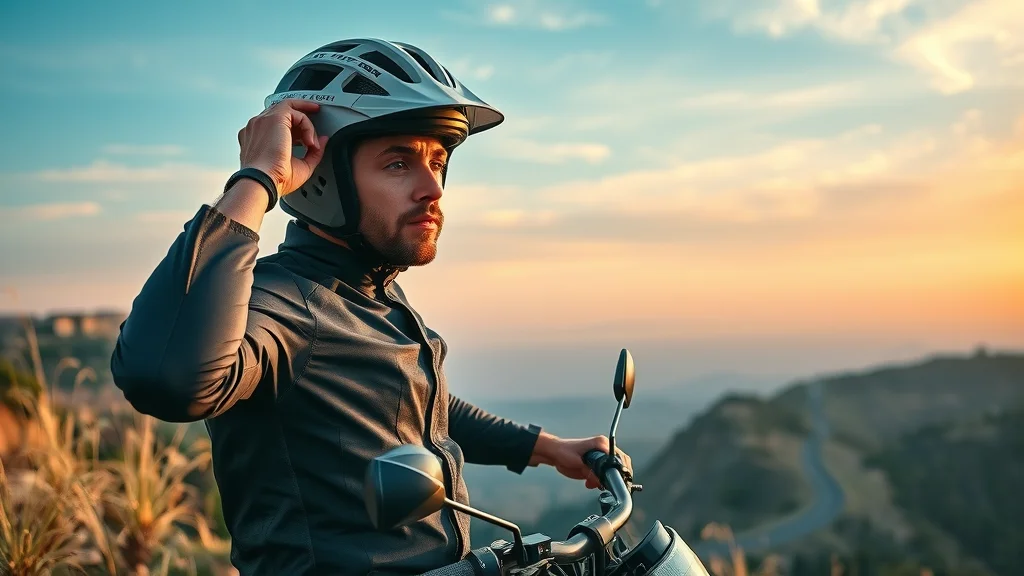
Signs of Lasting Growth Beyond Trauma
As you move forward, look for subtle but important changes: increased calm during situations that once triggered anxiety, stronger relationships, renewed joy in riding, and a greater sense of self-worth. These aren’t just signs of recovery—they’re proof of profound personal growth.
Communities that support healing foster resilience in their members, helping everyone weather future storms with greater confidence and compassion.
Biker Stories: Real-Life Journeys of Overcoming Traumatic Stress
“My ride isn’t just about the road—it’s about reclaiming myself.” —Anonymous Biker
Real stories from riders who’ve traveled this path bring hope and validation. Many recall how finding the right combination of support, therapy, and self-care reignited the freedom and joy of motorcycling. Whether it's returning to the open road after a crash, leaning on a friend during dark moments, or simply sharing one’s pain, each journey proves recovery is real and within reach.
No matter your background or struggle, your experience matters—and by sharing or seeking support, you help blaze a trail for others new to coping with PTSD and depression.
[Watch: Real bikers share their journeys of healing and mental health resilience, breaking the silence and inspiring hope in the riding community.]
[Experience a calming, step-by-step mindfulness exercise tailored for riders who are navigating PTSD and depression—ideal for pre-ride centering or post-ride relaxation.]
People Also Ask: Your Most Pressing Questions on Coping with PTSD and Depression
What is the best thing to do for PTSD?
The best thing to do is seek help from a mental health professional trained in treating trauma. Participate in proven therapies like cognitive behavioral therapy, surround yourself with supportive peers, and maintain healthy daily habits. Early action and community support are vital to recovery.
Will I ever be normal after PTSD?
Many people regain stability and fulfillment after PTSD. While the traumatic experience may always be part of your story, recovery and personal growth are absolutely possible—especially with the right treatment, support, and personal coping strategies.
What not to do around someone with PTSD?
Don’t dismiss their feelings, pressure them to talk before they’re ready, or expose them to known triggers. Show empathy, respect their boundaries, and offer support without judgment. Everyone’s journey is different—patience and understanding make a big difference.
What is the best medication for PTSD anxiety and depression?
The most effective medications for PTSD, anxiety, and depression often include SSRIs like sertraline or paroxetine, prescribed by a health care provider. However, the best medication is highly individualized—always consult a doctor for a treatment plan that fits your needs.
FAQs: Quick Answers on Coping with PTSD and Depression
-
How can I support a fellow biker coping with PTSD and depression?
Listen non-judgmentally, check in regularly, and suggest professional help if needed. Ride together, and encourage them to join group activities for support. -
Are there riding clubs focused on mental health support?
Yes, many regions have clubs or support groups for riders prioritizing mental health. Search online or ask local therapy centers for recommendations. -
What small steps can I take right now if I’m struggling?
Tell someone you trust, schedule a health care appointment, write down your feelings, and take a short, mindful ride. Small actions can make a big impact.
Key Takeaways for Bikers Coping with PTSD and Depression
- PTSD and depression are treatable—even in high-risk groups like bikers
- Early recognition is key to effective support
- Riding communities can offer unique avenues for healing
Find Your Support: Reach Out and Ride Toward Recovery
You don’t have to face this alone: support is out there—ride toward it, and discover healing among those who understand.
As you continue your journey toward healing, remember that staying informed about all aspects of rider safety can further empower your recovery and confidence on the road. Exploring topics like recent motorcycle recalls and safety advisories not only helps you protect yourself physically but also reduces anxiety linked to unforeseen hazards. For a deeper look at how current events may affect your riding experience, consider reading about the serious crash hazard associated with the 2025 Kawasaki motorcycle recall. By combining mental health strategies with practical safety awareness, you’ll be better equipped to ride with peace of mind and resilience—no matter what the road brings.










Write A Comment