

Did you know that recent studies suggest motorcyclists are up to two times more likely to struggle with depression compared to the general driving population? Despite the image of freedom and adventure that rides the open road, many bikers face a silent struggle with mental health that’s too often overlooked
Understanding Depression Among Motorcyclists: Uncovering the Silent Struggle
- A study showed that over 30% of motorcycle riders report feeling prolonged sadness or hopelessness at least once per year — significantly higher than the population average.
- The stereotype of the fearless, independent biker often covers up the reality: depression among motorcyclists is underreported and misunderstood. Motorcyclists endure weather, risk behavior, and the psychological aftermath of motorcycle accidents, yet their mental health is rarely discussed openly.
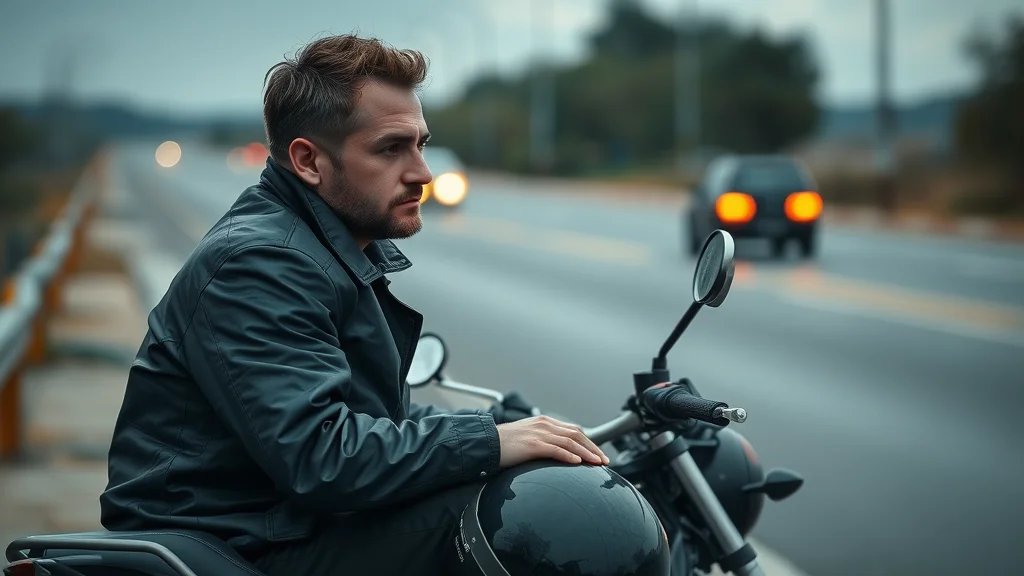
Many motorcyclists find solace in the present moment while riding, but this can also mask pain and suffering beneath the surface. Between accident risk, car crashes, and lifestyle challenges, riders often face psychological impact unnoticed by family, friends, and even fellow riders. Sadly, the combination of injury, identity shifts, and social stigma can deepen struggles with depression, leaving the motorcycle community with a pressing need for greater awareness and support.
While the emotional aftermath of riding is significant, it's also important to stay informed about physical safety risks that can impact mental health. For example, recent safety alerts like the 2025 Kawasaki motorcycle recall due to a serious crash hazard highlight how mechanical issues can contribute to both accident risk and psychological stress for riders.
What You'll Learn in This Opinion Piece on Depression Among Motorcyclists
- Key signs of depression specific to the motorcycling community
- The psychological impact of motorcycle accident experiences
- How personality traits and mental health interact on two wheels
- Practical solutions and the mental health benefits of riding
Depression Among Motorcyclists: The Overlooked Connection to Personality Traits
Do Certain Personality Traits Predispose Riders to Depression Among Motorcyclists?
- Motorcyclists commonly display personality traits like thrill-seeking, novelty seeking, independence, and resilience. These characteristics are often associated with a love for the open road and risk behavior, but they can also come with emotional vulnerabilities.
- High novelty seeking and risk behaviors are exhilarating, yet studies show these traits sometimes co-exist with introversion, carelessness, or harm avoidance. This mix can make it tough to process setbacks, leading to a higher risk of depression or anxiety after trauma.
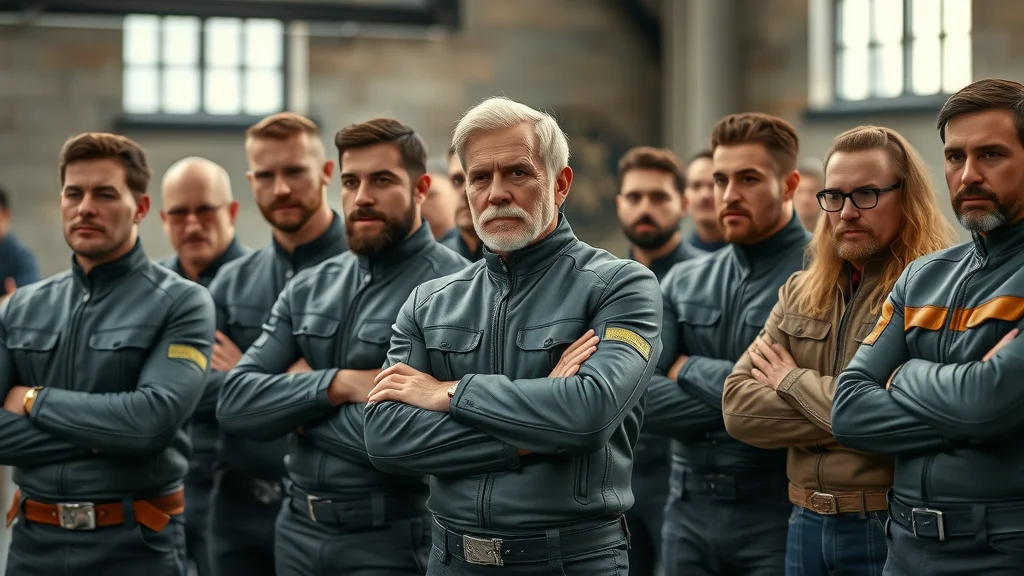
The motorcycle life attracts those who crave freedom and excitement, but it also appeals to those searching for an outlet for stress or an escape from emotional pain. The interaction of temperament and character is complex: while resilience helps many riders bounce back, others may internalize struggles and withdraw from their support networks. By understanding how personality traits shape mental health, the community can become more empathetic and effective in spotting early warning signs of depression among motorcyclists.
The Psychological Impact of Motorcycle Accident Experiences
How a Motorcycle Accident Can Trigger Depression Among Motorcyclists
- The trauma, pain and suffering, and shifts in identity that follow a motorcycle accident are profound. Even minor crashes can undermine a rider's confidence, while serious motorcycle accidents can lead to post-traumatic stress, anxiety, and depression. Physical injuries compound the emotional toll — especially when they interfere with returning to the open road.
- Mental health after an accident often hinges on psychological impact: some riders find peace through recovery and community, while others experience isolation, guilt, and hopelessness. The path ahead may feel uncertain, especially if pain and suffering persist or daily routines change dramatically.

Psychological impact doesn’t end at the crash site. A motorcycle crash can alter a rider’s self-identity — transforming a symbol of strength into a reminder of vulnerability. This identity shift sometimes feeds a cycle where withdrawal, reluctance to ride, or careless behavior intensifies, heightening the risk for depression among motorcyclists. Injury lawyers, family, and therapists each play a role in the healing process, but openly discussing emotional recovery is often the missing piece.
Recognizing the Signs: Symptoms of Depression Among Motorcyclists
- Withdrawal from riding and community: Riders may turn down invitations, skip group rides, or drop out of clubs, sacrificing social connections vital for navigating the road ahead.
- Changes in enjoyment during motorcycle riding: Once a source of excitement and peace, riding a motorcycle may suddenly feel like a chore, with the sense of freedom replaced by apathy or even dread.
- Increased risk-taking and disregard for safety: Uncharacteristic risk behaviors, including speeding, skipping motorcycle maintenance, or neglecting safety gear, can signal a deeper issue.
- Emotional shifts: Irritability, persistent sadness, anxiety, or mood swings — especially when linked to motorcycle life — deserve prompt attention for mental health benefits and safety.
It’s critical for both riders and their loved ones to recognize these red flags early. Depression among motorcyclists doesn’t always look like typical sadness; sometimes, it reveals itself through changes in riding habits, risk behavior, or temperament and character. The earlier these signals are detected, the better the chances for meaningful healing.
Mental Health and Motorcycling: Benefits and Barriers
Can Riding a Motorcycle Improve Mental Health?
- Surprisingly, there are multiple mental health benefits and health benefits tied to riding a motorcycle. For many, the focus required to handle a bike silences negative thoughts, improves focus, and creates opportunities to find peace in the present moment.
- There’s also a therapeutic potential in the mindfulness of riding — the rhythm of the engine, the feel of the wind, and the scenery of the open road foster stress relief, self-reflection, and a restorative sense of freedom.

Science backs up what riders feel: biomarkers of stress decrease after a motorcycle trip, helping improve emotional well-being. Still, these health benefits depend on the individual’s experiences and do not override the need for honest mental health support, especially after significant events like motorcycle accidents.
Barriers Motorcyclists Face to Accessing Mental Health Support
- Cultural perceptions, social stigma, and a reluctance to show vulnerability are significant barriers. Motorcycle riders are traditionally seen as tough and self-reliant, making it difficult to seek help for pain and suffering unrelated to physical injuries.
- Many fear that opening up about mental health will threaten their standing in the riding community, or that therapists won’t understand their unique perspective. These challenges can delay or even prevent riders from accessing life-changing support.
Shifting perspectives within motorcycle clubs or peer groups is essential to creating a safer, more open environment. Mental health is as important as physical safety gear — it is part of the foundation for a fulfilling motorcycle life.
Solutions to Combat Depression Among Motorcyclists
Community Support and Peer Networks
- Motorcycle clubs, group rides, and online communities are crucial sources of strength, understanding, and accountability. When riders open up about struggles, these shared spaces can provide validation and hope, reminding everyone they aren’t alone.
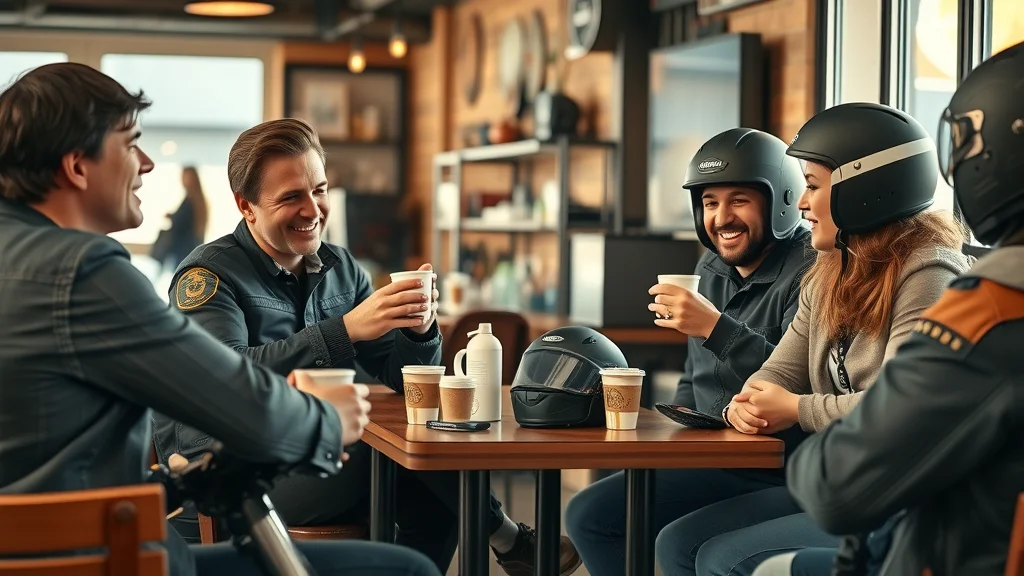
Peer networks encourage open discussions about depression among motorcyclists, promote safe riding practices, and connect those in need with resources. Online support groups can be especially powerful for riders in remote locations or those reluctant to share in person.
Professional Mental Health Services: Injury Lawyers, Therapists, and More
- After a motorcycle accident, working with an injury lawyer does more than resolve claims for physical injuries and pain and suffering. Experienced injury lawyers understand the psychological impact and can link riders to mental health professionals, support groups, and therapy tailored for the motorcycle community.
- Finding therapists with knowledge of motorcycle life, risk behaviors, and trauma is key. These professionals offer confidential, evidence-based care, helping motorcyclists reclaim confidence and safely get back to the open road.
The collaboration between professional providers, clubs, and personal support networks is vital in building a resilient, healthy riding community.
Prevention and Resilience: Building Positive Mental Health Among Riders
- Adopting safety practices — from routine motorcycle maintenance to wearing proper gear — boosts a rider’s sense of control, protecting both mental health and physical safety. Consistency builds habits that nurture confidence, reduce anxiety, and minimize careless behavior.
- Investing in personal growth, mindfulness, and self-care off the bike reinforces psychological well-being. This includes hobbies, healthy sleep, and connecting with family and friends beyond the riding community.
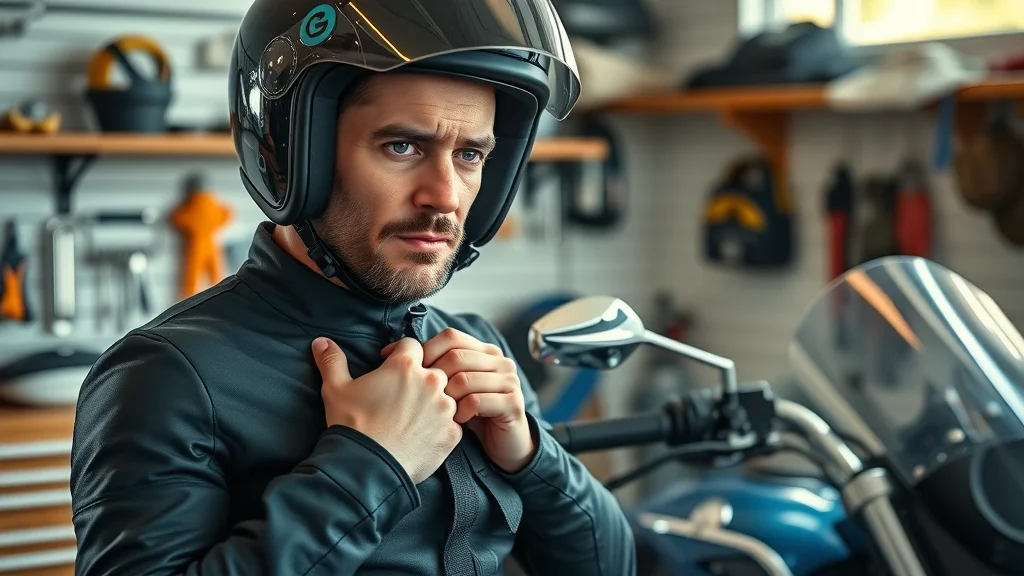
Noted psychologist: "Understanding depression among motorcyclists means respecting the unique struggles faced on and off the road."
People Also Ask: Depression Among Motorcyclists
What are the early signs of depression among motorcyclists?
- Early signs can include chronic fatigue, decreased interest or enjoyment in riding a motorcycle, social isolation from group rides or clubs, and mood swings. Other warning signals may be careless behavior, risk-taking, and reluctance to maintain motorcycle safety routines. Recognizing these changes early is crucial for timely support and recovery.
Can a motorcycle accident lead to mental health issues?
- Yes, motorcycle accidents can cause lasting trauma, both physically and mentally. Riders commonly experience depression, anxiety, and even PTSD as they process pain and suffering, identity shifts, and uncertainty about riding again. Seeking help from therapists and injury lawyers can facilitate holistic recovery after a motorcycle crash.
What mental health benefits does riding a motorcycle offer?
- Riding a motorcycle can reduce stress, increase focus and attention, and foster a unique sense of freedom. The mindfulness present during rides creates an opportunity to find peace, clarity, and joy—helping riders manage daily life with greater resilience.
| Aspect | Before Accident | After Accident |
|---|---|---|
| Mental Health Status | Generally positive; optimism, excitement for riding | Possible depression, anxiety, or PTSD |
| Personality Traits Shown | Thrill-seeking, resilience, sense of freedom | Increased harm avoidance, withdrawal, mood swings |
| Risk Behavior | Enjoyed responsibly with safety measures | Potential for increased risk-taking or careless behavior |
| Community Engagement | Active participation in clubs/events | Possible isolation from group rides and peers |
Key Takeaways on Depression Among Motorcyclists
- Motorcyclists face unique risks — and opportunities — regarding mental health.
- Community, therapy, and safe riding practices are crucial for prevention and recovery.
- Recognizing depression among motorcyclists is the first step to healing and a healthier motorcycle life.
FAQ: Addressing Common Concerns on Depression Among Motorcyclists
How can friends support a motorcyclist showing signs of depression?
Friends can support by reaching out with empathy, listening without judgment, and encouraging open conversations about mental health. Suggesting professional help or accompanying the rider to group rides or events can also model acceptance and reduce stigma. Checking in regularly, both on and off the road, helps create a strong safety net.
Are there special programs for riders dealing with mental health issues?
Yes, several national and local organizations offer special programs for motorcycle riders, including mental health hotlines, peer group chat rooms, rider-specific counseling services, and workshops designed to address trauma and risk behaviors. Connecting through these programs can reduce isolation and promote a collective sense of purpose and care.
Final Thoughts: Influencing a Healthier Narrative for Depression Among Motorcyclists
By daring to talk openly about depression among motorcyclists and investing in community solutions, we can help riders rediscover the sense of freedom and resilience that brought them to the open road in the first place.
If you’re interested in understanding how external factors can further influence rider safety and mental health, it’s worth exploring the broader landscape of motorcycle risks. Major events like the 2025 Kawasaki motorcycle recall serve as a reminder that both mechanical reliability and mental well-being are essential for every journey. By staying informed and proactive, riders can better protect themselves and their communities—on every level. Continue your journey toward safer, more mindful riding by learning how industry-wide safety updates and recalls can impact your experience on the road.
Ready to Support Mental Health on the Open Road? Connect with Rider Communities Today.
Your next conversation could save a life. Reach out, connect, and help make the motorcycle community a safer, more supportive place for every rider.
Short documentary-style video depicting personal accounts from motorcyclists discussing the psychological aftermath of motorcycle accidents and how they've coped with depression and anxiety. Visuals include interview segments, riding footage before and after incidents, and supportive community interactions.










Write A Comment