
Add Row
Add Element
Rider Safety News
update
Rider Safe News
update
Add Element
  • Home
  • Categories
  • Featured Business Profiles
  • Moto Rally News & Motorcycle Sweepstakes
December 31.2025
1 Minute Read

Depression Signs in Riders: Don’t Miss These Red Flags

Did you know that studies show equestrians are up to 50% more likely to experience mental health concerns compared to other sports enthusiasts? While horseback riding offers joy and connection, many riders hide their struggles behind a stoic exterior—making depression signs in riders dangerously easy to overlook

A Startling Reality: Depression Signs in Riders Are Overlooked

Despite the strong bond between horse and rider and the outward appearance of toughness and resilience, depression signs in riders are often dismissed or misunderstood. In barns and arenas, conversations tend to focus on physical injuries or competition performance, leaving mental health concerns in the shadows. This oversight can have serious consequences—not only for the well-being of the person in the saddle but also for team dynamics, competition results, and even horse welfare. Being attuned to the warning signs can help prevent long-term struggles and support a healthier, more compassionate equestrian environment.

Many riders feel the expectation to “tough it out” or view mental health struggles as a personal weakness. As a result, symptoms of depression such as low mood, withdrawal, and loss of interest in riding often go unreported or are mistaken for burnout. Yet, acknowledging and addressing these issues is critical—not only for the individual’s health but for setting a standard of care in the equestrian world. When you recognize the signs of depression early, you can encourage seeking support, open up essential dialogue, and help create an environment where riders and horses thrive together.
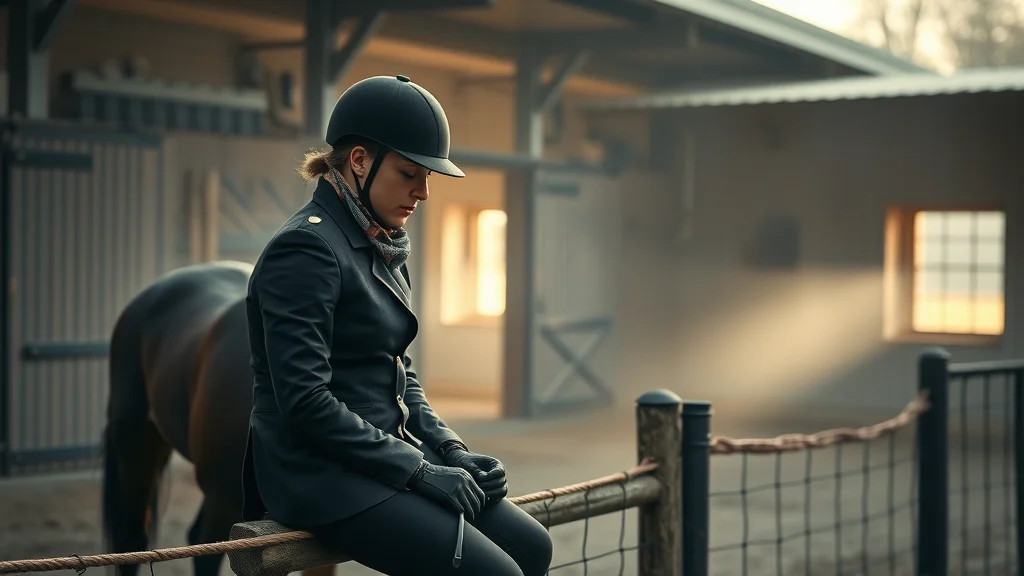
Depression signs in riders: Somber equestrian in riding attire — contemplative, gazing down while seated on a fence beside a peaceful horse in a rustic barnyard with morning mist and gentle sunlight, high realism.

Why Identifying Depression Signs in Riders Matters

Spotting depression signs in riders is not just about recognizing sadness; it’s a critical step in safeguarding both individual and community mental health. Riders facing depressive symptoms may suffer in silence, which can lead to deteriorating performance, strained relationships, or even accidents for both horse and handler. The stigma surrounding mental health challenges often makes it harder for equestrians to reach out. When riding schools, teams, and families actively look for warning signs, they become proactive partners in the fight for mental wellness. This vigilance enables early intervention, which can quite literally save lives and sustain lifelong passions.

Beyond the barn doors, the broader equestrian community must recognize that warning signs are not always dramatic. Sometimes, it is the gradual withdrawal from riding activities, the sudden drop in energy, or the missed lessons that signal a deeper problem. By learning to identify these subtle symptoms, you become better equipped not only to help riders heal and regain confidence but also to help set a caring standard—destigmatizing conversations around mental health and encouraging support rather than silence.

Young rider showing depression signs: Slouched in saddle, weary expression, still atop a horse in group lesson, subtle body language differences, open arena, high realism.

Physical and Emotional Warning Signs and Symptoms of Depression

Common signs and symptoms of depression in riders include:

  • Changes in appetite or weight
  • Withdrawal from riding activities and team events
  • Unexplained fatigue and persistent sadness
  • Emergence of anxiety and depression together
  • Loss of motivation, focus, or interest in horsemanship

Accompanying these can be irritability, avoidance, diminished performance, or even increased risk-taking as a means of coping. If you notice a fellow rider skipping lessons they once adored, resisting the care of their horse, or isolating from friends at the stable, don’t dismiss these as simple mood swings. Such behaviors often point to underlying depressive episodes or an anxiety disorder colliding with their daily lives. Proactive support and open conversations are not only helpful—they’re essential for the long-term well-being of both individuals and the broader equestrian community.

"Even the most dedicated riders can exhibit subtle signs of depression – watch for changes in their demeanor."

While understanding the emotional and behavioral signs of depression is crucial, it's equally important to stay informed about other safety concerns that can impact riders. For instance, being aware of urgent issues like the recent Kawasaki motorcycle recall and its potential crash hazards can help equestrians and their families take proactive steps to protect their well-being both on and off the saddle.

Types of Depressive Disorders Impacting Riders

Just as riders select the right tack for the discipline, it’s vital to understand the types of depression that affect equestrians. The two most prominent categories are major depressive disorder and bipolar disorder. While major depressive disorder involves ongoing sadness and loss of interest, bipolar disorder features dramatic mood swings—with periods of extreme highs (mania) followed by severe lows. Both conditions can profoundly impact a rider’s ability to perform, stay engaged, and maintain safe relationships with their horses. Recognizing the unique traits of each helps you offer the right support or recommend consultation with a mental health professional.

Anxiety disorder is frequently intertwined with depressive disorders, making it challenging to distinguish between them. Riders may oscillate between episodes of panic and deep sadness, both of which can be exacerbated by the pressures of training, competition, or daily barn life. Appreciating this complexity empowers trainers, friends, and families to avoid snap judgments and instead encourage comprehensive support, such as cognitive behavioral therapy or intervention from a care professional specializing in mood disorders.

Major Depressive Disorder vs. Bipolar Disorder in Equestrians

While major depressive disorder centers on chronic low mood, hopelessness, and sluggishness, bipolar disorder cycles between depressive episodes and bursts of uncharacteristic energy, agitation, or impulsive behaviors. For riders, this might look like periods of withdrawn, joyless riding alternating with sudden, risky decisions or overconfidence in the saddle. Both disorders are severe, demanding careful attention and an individualized treatment plan from a health care provider.

Bipolar disorder is often mistaken for typical “mood swings” amplified by the emotional highs and lows of competitive equestrian sports. However, when these shifts interfere with daily life, safety, or relationships at the barn, they should not be ignored. Early recognition of these patterns and consultation with a health professional or mental health care provider is essential, especially given the unique partnership and responsibility riders have with their horses.

Two equestrians with different depression signs: One cheerful, one withdrawn, in a stable corridor with warm natural light, contrasting moods, sharp detail, high realism.

How Anxiety Disorder and Depressive Symptoms Overlap

Anxiety and depression often co-exist, especially in high-stress environments like training and competition. Riders experiencing an anxiety disorder may grapple with persistent fears, uncontrollable worry about performance, or even panic attacks before big events. These symptoms can fuel or be fueled by depressive thoughts, leading to a dangerous cycle that is difficult to break without outside intervention and a robust support network. Over time, this overlap can result in avoidance of riding, reluctance to care for horses, or withdrawal from barn life altogether.

Understanding how anxiety and depression present together is key in equestrian mental health. A rider may appear restless and agitated one day, only to become lethargic and withdrawn the next. Recognizing these shifting moods and gently opening conversations about emotional well-being are the first steps toward making professional help accessible and fighting the stigma that shrouds mental health conditions in the riding community.

Comparison of Depression Signs in Riders, Anxiety Disorders, and Major Depressive Disorder Symptoms
Depression Signs in Riders Anxiety and Depression Major Depressive Disorder Symptoms
Withdrawal from lessons and barn friends; loss of interest in horses Restlessness, excessive worry, sleep disturbances Persistent sadness, fatigue, hopelessness, low motivation
Changes in appetite, sudden fatigue, reluctance to care for horses Trouble concentrating, irritability, panic attacks Loss of pleasure in all activities, difficulty functioning
Increased risk-taking or isolation Combination of anxious thoughts and depressive withdrawal Thoughts of self-harm or suicide, feelings of worthlessness

Unique Depression Symptoms in Riders: What Makes Riders Different?

Equestrians face a set of pressures and lifestyle factors that set them apart from other athletes, which can influence the development and expression of depression signs in riders. Long hours, unpredictable schedules, and the emotional demands of horse ownership can intensify feelings of isolation or stress. The expectation to care for a large, sentient animal can either anchor a rider or weigh them down when they struggle. These unique circumstances mean that depression symptoms may manifest differently, requiring heightened sensitivity from those around them.

A rider’s world is often woven tightly with their horse and barn community. Because of this, changes in routine, social connections, and competition pressure can increase their risk for mental health challenges and make symptoms more difficult to spot compared to non-rider peers. Learning to recognize how these factors impact riders is essential for offering meaningful support and promoting resilience in challenging times.

Environmental and Social Factors Affecting Mental Health

The barn environment, while supportive, can also be a source of stress or isolation for some riders. Competitive pressure, comparison with teammates, or the burden of expensive horse care can leave individuals feeling inadequate or overwhelmed if things go wrong. Social factors—such as relationship stresses within the barn family, lack of empathetic mentors, or simply the grind of travel and competition—can contribute to depressive symptoms.

Equestrians often find their social circle and emotional support within the barn. If relationships there sour, or if riders feel marginalized, loneliness and decreased motivation can follow. Recognizing these challenges as legitimate contributors to mental health struggles is key to taking depression signs in riders seriously and normalizing conversations around anxiety, sadness, and emotional distress.

The Role of Competition and Pressure on Riding Performance

Competing in equestrian sports can be both exhilarating and overwhelming. The persistent need to perform well, maintain composure, and meet expectations from coaches, parents, and peers can intensify existing vulnerabilities. When a rider does not meet their goal or is sidelined due to injury, feelings of failure or hopelessness may surface, exacerbating or triggering depression symptoms. These competitive pressures can drive some riders to perfectionism or a reluctance to share their emotional state out of fear that it might be perceived as weakness.

Staying vigilant for depression signs in high achievers is especially important—both because the outward appearance of success can mask internal struggles and because the equestrian world tends to prize resilience. Opening the door to transparent, stigma-free communication allows struggling riders to seek help before the effects of chronic stress evolve into a diagnosable depressive disorder.

Depression signs in riders: Focused young equestrian warming up, tense, adjusting stirrups during competition, vibrant event colors, sunlit outdoor scene, high realism.

How Routine and Structure Relate to Depressive Episodes

Routine and structure are cornerstones of equestrian life—daily barn chores, training schedules, and competition calendars. When depression sets in, these once-comforting routines can begin to unravel. Skipped feedings, hasty grooming, or missed practice sessions signal not only a disruption in the rider’s mental health but also tangible red flags for those around them. As depressive episodes progress, these lapses may become more frequent or severe, risking the health of both horse and rider.

Conversely, re-establishing structure and small routines can be a powerful antidote to depressive symptoms. Encouraging riders to lean on barn schedules and supportive communities not only helps them maintain a connection to their animal partner but also provides an anchor during tough mental health moments. Remember, visible disruptions in structure—like erratic attendance or messy stalls—offer vital cues that a rider may need help.

Red Flags and Warning Signs of Depression in Riders

  • Reluctance to care for horses
  • Isolation from barn friends
  • Increased risk-taking
  • Withdrawal from riding lessons

Common Signs to Never Overlook

Be on the lookout for changes in demeanor that don’t match a rider’s usual attitude. Early warning signs specific to equestrians include ignoring daily horse responsibilities, frequent absences from the barn, or increased irritability, frustration, or emotional volatility around animals and people. Any of these patterns warrants a closer look from trainers, teammates, and family—as they are more than disciplinary issues; they often reflect deeper depression symptoms.

Importantly, if a rider begins to take unusual risks or acts recklessly with horses or equipment, it’s not just a behavioral challenge—it may be a sign of a deteriorating mental health condition. Prompt, compassionate intervention can make a significant difference in halting progression to more severe depressive episodes, and may also help prevent accidents both in and out of the saddle.

The Connection Between Anxiety and Depression in Riders

Anxiety and depression are inseparable for many riders. The drive to perform, responsibility for horses, and unpredictable competitive outcomes can trigger spirals of worry and sadness. High anxiety before an event or after a fall is normal—but lingering symptoms of both depression and anxiety, such as sleep issues, avoidance of lessons, or persistent fear, should not be overlooked. Sharing stories and seeking peer support reduces the isolation that often makes these conditions worse for equestrians.

Understanding that anxiety and depression are not weaknesses but common responses to difficult emotional landscapes is essential. When riders—and those around them—recognize what anxiety disorder and depressive symptoms look like in the stable, they can intervene earlier and more effectively. Support may come from trainers, teammates, counselors, or resources tailored specifically to equestrian mental health.
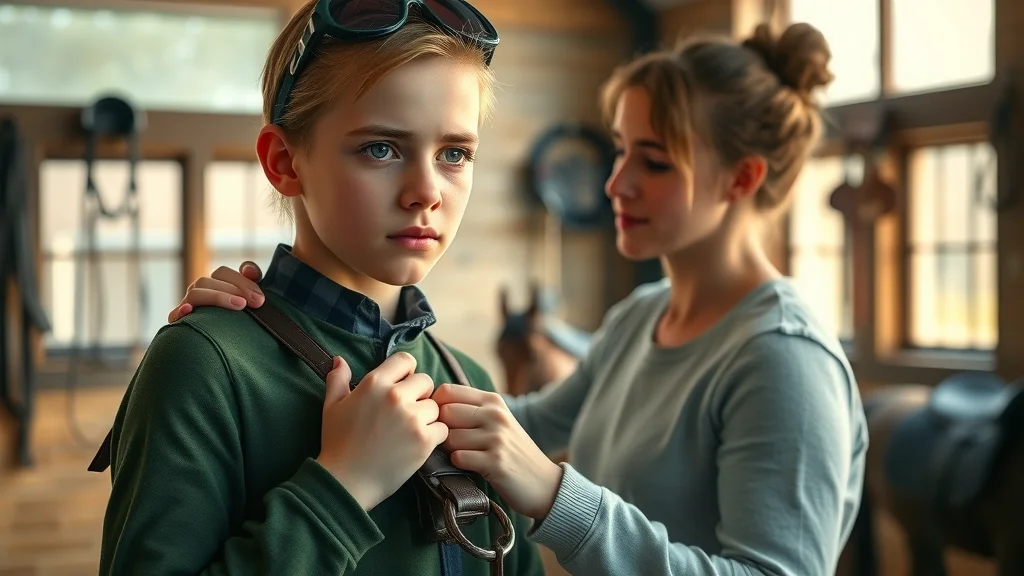
Depression signs in riders: Teen equestrian gripping reins tightly, anxious, mentor’s supportive touch, tack room with sunlight, cozy natural light, high realism.

Signs and Symptoms Shared by Anxiety and Depression

Some signs and symptoms are common to both anxiety and depression: chronic fatigue, difficulty concentrating, irritability, disrupted sleep, or sudden avoidance of group activities. Riders might also describe overwhelming self-doubt, “butterflies” in the stomach that never go away, or racing thoughts before, during, or after rides. While these symptoms may blend together, recognizing their presence is critical to getting a proper diagnosis and support plan from a mental health professional.

When emotional struggles affect performance or the desire to interact with horses and barn friends, it’s time for action—whether that means reaching out to a care provider, talking with a trusted mentor, or simply measuring mood in a daily journal. Remember, these symptoms can move from mild to severe rapidly, so proactive attention to changes can make all the difference.

How Anxiety Disorder Presents in the Stable Environment

In the barn or arena, anxiety disorder may show up as pacing, restlessness, irritability, or even panic attacks when faced with new tasks. Riders managing both anxiety and depression might avoid group activities, rush through chores, double-check everything, or fixate on minor mistakes during lessons. These behaviors are not just quirks—they are signals that the rider is struggling on a deeper level, especially when paired with other warning signs or depressive episodes.

Sometimes, anxiety disorder co-exists quietly with a major depressive disorder, making it even more difficult to detect. Trainers, parents, and friends should stay alert for sudden emotional changes or a persistent need for reassurance, support, and validation in the stable environment. Open communication and mental health awareness help ensure support is always within reach for those who need it.

Understanding Depressive Episodes in Horse Riders

Spotting the Start of a Depressive Episode

The onset of a depressive episode in riders can manifest gradually or suddenly. Early signs may be as simple as skipping a favorite trail ride or failing to groom a horse. Over time, these patterns become harder to ignore, often progressing into total withdrawal, neglect of animal care, or disengagement from barn life. Recognizing the beginning of a depressive episode allows for timely intervention and dialogue before symptoms become overwhelming.

Observing changes in routine, mood, appearance, or communication is key. Encourage conversations about mental health and make resources available in the barn. Letting riders know they’re not alone in their struggles breaks the silence and reinforces the importance of seeking help before things escalate.

How Long Do Depressive Episodes Typically Last in Equestrians?

Depressive episodes can last for a few weeks to several months. In equestrian settings, the duration varies by individual, severity of symptoms, and available support. Episodes that last more than two weeks, especially those interfering with daily routines and care responsibilities, often indicate a more serious depressive disorder.

When a rider’s difficulties persist or intensify—impacting horse welfare, performance, and personal life—don’t hesitate to urge a visit to a healthcare provider or mental health professional for a full assessment and compassionate care.

When Depressive Disorder Requires Intervention

Intervention is needed when depressive symptoms jeopardize safety, animal welfare, or present suicidal thoughts or intentions. If a rider expresses feelings of hopelessness, discusses self-harm, or stops taking care of their horse entirely, it’s crucial to take action immediately. Trusted trainers and mentors can provide an initial bridge, but ultimately, a professional evaluation is vital to ensure the rider receives appropriate treatment options.

Remember, lasting change often begins with the courage to have an open, stigma-free conversation about mental health. Early and proactive intervention can turn the tide for riders and keeps both horse and human relationships strong.

Special Focus: Signs of Depression in Adolescent and Young Riders

Young riders face enormous pressure—not only from competitions and training, but also from social dynamics and the complexities of adolescence. Depression symptoms can manifest as irritability, frequent absences, declining grades, or loss of passion for riding. Because this age group is often hesitant to discuss emotional struggles, it is up to trainers, parents, and peers to be extra vigilant for the warning signs and gently start conversations about mental health.

Open communication and active listening foster trust and encourage young equestrians to express their emotional needs. The earlier these conversations begin, the better equipped the next generation will be to manage mental health challenges and support their peers. Survivor stories or peer support groups can make it less intimidating for youth to seek help—all while underscoring the importance of kindness and judgment-free spaces in the barn.

How Depression Symptoms Manifest in Young Equine Enthusiasts

Adolescents and youth often mask depression symptoms to maintain their place in the saddle or avoid judgment from peers. Typical manifestations include increased irritability, withdrawal from riding activities or peer groups, and reluctance to participate in competitions. Academic or athletic underperformance and mood swings are frequent red flags, but so are silent struggles—like eating in isolation, spending excessive time alone in the barn, or talking negatively about themselves and their riding ability.

Staying alert for subtle cues and changes in behavior, especially when they persist over time, enables early support. Remember, mental health is just as crucial as physical health for equestrian youth. Normalizing emotional check-ins and making help readily available strengthens confidence and resilience in future riders.

"Many young riders hide their symptoms for fear of losing saddle time—open conversations are essential."

How to Tell if Your Horse is Depressed?

Depression signs in riders: Solemn rider tending to downcast horse, gentle compassion, brushing mane in tranquil sunset pasture, rich textures, high realism.

Behavioral Changes and Signs of Depression in Horses

Horses, like people, can exhibit signs of depression. These may include loss of appetite, lethargy, reduced social interaction with herd mates, repetitive behaviors, or neglect of self-cleaning. A horse may appear dull, less responsive to its rider, or disinterested in usual activities. Such changes, especially when paired with a rider’s declining mental health, signal a need for increased observation and possibly veterinary consultation.

Since horses are emotionally sensitive, ongoing neglect or erratic interaction with a depressed rider can deepen their own distress. Staying vigilant for subtle changes in both horse and rider helps prevent a cycle of declining mental wellness and ensures compassionate care for all members of the equestrian family.

The Impact of Rider Mental Health on Equine Wellbeing

A rider’s mental health has a direct effect on their animal partner. Riders struggling with depression may inadvertently transfer their distress or apathy—affecting communication, riding performance, and even the horse’s behavior and physical well-being. Horses pick up on body language and emotional cues, meaning that a neglected or unengaged rider can foster anxiety, reluctance, or even depression in the horse itself.

Recognizing how closely linked these relationships are—emotionally and physically—underscores the need for a holistic approach to care in the equestrian world. When mental health is addressed, both rider and horse benefit, creating a virtuous cycle of trust, performance, and mutual well-being.

Facts and Myths: Signs and Symptoms of Depression Among Riders

Depression signs in riders: Supportive, diverse group of riders in stable lounge, relaxed mid-conversation, warm ambient light, detailed textures, medium-high realism.
  • Myth: Good riders are immune to mental health issues
  • Fact: Riders often experience unique warning signs
  • Myth: Depression symptoms always look the same in each rider

Debunking these myths is essential for a supportive, mentally healthy barn culture. Understanding warning signs and symptoms of depression allows riders, trainers, and parents to respond quickly and compassionately—no matter age, level, or experience.

What are the 3 C’s of Depression?

Core Concepts: Catch, Check, and Change

The 3 C’s of depression—Catch, Check, and Change—offer a practical framework for self-awareness and mental health support. Riders and their support teams can use these core concepts to monitor changes in behavior and mood, check for persistent symptoms, and adjust coping strategies or seek professional help when needed. This proactive method empowers equestrians to take charge of their mental wellness and encourages everyone to be accountable for both their own well-being and that of their barn mates.

How the 3 C’s Help Spot Depression Signs in Riders

“Catch” means observing early signs (like fatigue, withdrawal, or changes in care routines); “Check” involves honestly assessing emotional states and possible triggers; and “Change” is about actively implementing new habits, reaching out for support, or helping a friend access mental health resources. By sharing the 3 C’s strategy in stables, you make it easier for riders to identify concerns before they become crises—protecting individuals and the barn community as a whole.

How Do You Know If You're in a Depressive Episode?

Self-Assessment of Depression Symptoms for Riders

If you notice persistent sadness, fatigue, loss of motivation, or withdrawal from favorite horse-related activities, you might be experiencing a depressive episode. Using a journal to track changes in mood, routines, and relationships can help clarify whether these feelings are temporary or signs of a mood disorder. Online mood inventories or quick assessments provided by mental health organizations offer further insight and a starting point for honest discussions with trusted adults or professionals.

Seeking Help When Warning Signs Appear

It’s never too early to seek help if warning signs persist for two weeks or more, especially if you or a friend experience thoughts of self-harm, hopelessness, or an inability to care for yourself or your horse. Schedule time with a care provider or mental health professional who understands athletic or equestrian challenges—many offer specialized counseling options and support groups. Even a single conversation can change, and even save, a life.

Major Depressive Disorder: When Is It Time To Seek Help?

  • Persistent low mood despite time spent with horses
  • Loss of enjoyment in riding
  • Thoughts of self-harm or hopelessness
  • Suggestions from riders' community or loved ones

Preventing Depression in Riders: Promoting Mental Health in Equestrian Settings

Depression signs in riders: Smiling equestrian group meeting, positive attitudes, support, mental health flyers, bright airy barn, vibrant fresh textures.

Best Practices and Community Support

  • Open dialogue about mental health
  • Mental health first aid training for staff
  • Support groups for riders

Creating a culture of openness and proactivity in the barn reduces stigma and increases safety. Mental health first aid training, established peer support systems, and regular check-ins build resiliency and foster a true sense of belonging. These best practices benefit not only those actively struggling with depression, but the entire equestrian community.

FAQs on Depression Signs in Riders

  • What are hidden depression signs in riders?
    Hidden signs can include subtle withdrawal from favorite barn activities, quiet neglect of horse care, unexplained fatigue, or sudden irritability. These symptoms are easy to miss but critical to address—especially in tight-knit barn communities.
  • Can depression symptoms be seasonal for riders?
    Yes. Seasonal Affective Disorder or reduced riding opportunities due to weather can worsen low mood and other depression symptoms. It’s important to stay connected with barn friends and maintain routines during the off-season.
  • When is it time to see a mental health professional?
    If depression symptoms persist for several weeks, interfere with riding or daily life, or include thoughts of self-harm, reach out to a health care provider or mental health professional immediately. Early support can prevent symptoms from worsening.

Key Takeaways: Depression Signs in Riders

  • Depression signs in riders are often subtle and easily missed
  • Early recognition and support are vital
  • Encouraging open discussion strengthens equestrian communities

Informed and Ready: How to Help When You See Depression Signs in Riders

"Awareness is the first step in ensuring both rider and horse thrive together—don’t wait to speak up if you notice warning signs."

If you notice changes, start a conversation. Offer empathy rather than judgment, and connect struggling riders—or yourself—with trusted support, whether that's a friend, trainer, or mental health professional. Together, we make a difference.

Supporting mental health in the equestrian world means staying alert to all types of risks—whether emotional, physical, or environmental. If you’re interested in learning how broader safety issues can impact riders, including the latest on equipment recalls and accident prevention, explore our coverage of the 2025 Kawasaki motorcycle recall and its implications for rider safety. By expanding your awareness beyond the barn, you’ll be better equipped to foster a culture of well-being and resilience for yourself and your equestrian community. Stay informed, stay proactive, and remember that every step toward safety—mental or physical—makes a lasting difference.

Community Voices

0 Views

0 Comments

Write A Comment

*
*
Related Posts All Posts
12.31.2025

Coping with PTSD and Depression: A Biker’s Guide

Did you know? More than 8 million adults experience PTSD every year in the United States—many of whom are bikers seeking relief and freedom on the open road “Over 8 million adults experience PTSD annually in the U.S.—a number that includes countless bikers riding to find relief.” Unveiling the Reality: PTSD, Depression, and Biker Culture In biker culture, strength and independence are admired, but what often goes unspoken is the mental toll of past traumatic events, from major accidents to personal loss. Coping with PTSD and depression can be a silent struggle as many bikers turn to the open road for solace. Unfortunately, the very culture that brings camaraderie can sometimes discourage open conversations about mental health problems. Yet, recognizing stress disorder and traumatic stress as real health conditions is the turning point to recovery. The symptoms of PTSD and depression aren’t a sign of weakness—they’re a common response to surviving extremely hard events, like a car accident or other traumatic experience. Acknowledging this reality in biker communities helps break barriers to healing, paving the way to better self-care, connection, and ultimately, reclaiming joy on two wheels. Taking action begins with honest recognition. By reading this comprehensive guide, you’re taking a meaningful step to support your own mental health or that of a fellow rider. Whether you’ve experienced trauma firsthand, are feeling lost after a challenging chapter, or simply want to empower your group, you’ll find clear information and practical tips here. The path to treating and understanding PTSD in a culture often marked by grit and stoicism can be tough—but with the right tools, nobody rides alone. While understanding the emotional aftermath of trauma is crucial, it's equally important to stay informed about physical safety risks that can contribute to stress and anxiety. For example, recent safety alerts like the 2025 Kawasaki motorcycle recall and its potential crash hazards highlight how mechanical issues can impact both your wellbeing and peace of mind on the road. What You’ll Learn in This Guide on Coping with PTSD and Depression Understanding PTSD and associated stress disorder in bikers Detecting symptoms of PTSD and depression Effective mental health self-care strategies for riders Building support systems within the biker community Navigating health care options for traumatic stress Practical steps for long-term healing and empowerment Understanding PTSD and Depression in Bikers Defining PTSD and Depression: Key Differences and Overlaps Post-Traumatic Stress Disorder (PTSD) is a mental health condition that develops after facing terrifying or life-threatening events. Common triggers include severe car accidents, military service, violence, or losing a loved one (family member). PTSD involves persistent flashbacks, nightmares, avoidance behavior, mood changes, and lasting anxiety. In contrast, depression is mainly marked by a deep, ongoing sadness, loss of pleasure, fatigue, and even physical symptoms. It may or may not connect to a single traumatic event, and it often overlaps with PTSD—meaning you can experience both at once. Recognizing their unique and shared signs helps you understand your experiences and move toward the right mental health approach. For people who have experienced trauma, the line between PTSD and depression can blur, but knowing their distinctions allows for more targeted treatment options. Some symptoms of PTSD include reliving the traumatic experience, while depression’s hallmarks are hopelessness and isolation. Different as they are, both mental health issues respond well to intervention and support, especially in high-risk groups like bikers. Learning how coping with PTSD and depression works for you is the foundation for healing—no shame, just honest insight. The Unique Connection Between Biker Life and Traumatic Stress The biker lifestyle’s thrill and freedom can offer relief and moments of escape for those with traumatic experiences. However, it can also contribute to exposure to situations likely to cause traumatic stress—like high-speed riding, accidents, and encounters with violence. The close-knit but sometimes stoic biker culture often means struggles are kept beneath the surface. Group rides and solidarity can help, yet the stigma associated with mental health conditions like stress disorder makes open discussions rare. Riders who have experienced trauma may find the act of riding both an outlet for emotions and, at times, a trigger. Some bikers view their bikes as lifelines, helping them manage thoughts and feelings that seem overwhelming off the road. Still, it’s important to distinguish healthy coping from avoidance. Nurturing open communication and support within the community is the key to transforming the ride into a force for real healing, rather than just temporary relief. Factors That Make Bikers More Vulnerable to Stress Disorder Life on two wheels brings unique risks. High speeds, unpredictable encounters, and a culture that prizes toughness make bikers more susceptible to develop PTSD. Riders may feel like they must process traumatic events—such as crashes, loss, or even witnessing harm to a fellow rider—on their own. Repeated exposure to adrenaline rushes or close calls can raise stress levels over time, leading some to experience PTSD symptoms more intensely. Societal expectations, stigma about expressing emotion, and limited access to specialized mental health care also create barriers. Many bikers come from backgrounds where discussing stress disorder is discouraged, increasing the chance that mental health issues remain hidden until they become overwhelming. Building awareness and breaking these patterns is essential for both individuals and the health of the community. Symptoms of PTSD and Depression: What to Look For Common Symptoms of PTSD vs. Depression among Bikers PTSD Symptoms Depression Symptoms Nightmares & flashbacks of a traumatic event Persistent sadness or hopelessness Avoiding reminders of the trauma Loss of interest in hobbies or riding Being easily startled, jumpy, or hyper-vigilant Chronic fatigue and low energy Emotional numbness or feeling detached Trouble concentrating or making decisions Irritability or sudden anger outbursts Eating or sleeping more or less than usual Negative changes in thoughts and feelings Feelings of guilt or worthlessness Recognizing the Signs: From Emotional Detachment to Anger Issues Spotting the symptoms of PTSD and depression isn’t always straightforward—especially if you're wearing a "tough" persona out of habit or expectation. Many bikers describe feeling emotionally numb, angry, or “checked out,” sometimes without realizing it’s linked to a traumatic event. Common indicators of stress disorder include avoiding certain places, people, or even conversations that could bring up the trauma. Irritability and sudden bursts of anger can become patterns that affect not only your mood but also your close relationships and performance on the road. Similarly, the signs of depression—like persistent fatigue, disinterest in riding, or trouble sleeping—often creep in quietly. If you or someone in your group is displaying these changes in behavior, it’s not just a “bad patch.” Acknowledging these signals, whether subtle or overt, is a crucial move toward rebuilding mental health and rediscovering the true joy of riding. When Do Riders Typically Develop PTSD? Riders may develop PTSD after a single traumatic event like a severe accident or gradually over time from repeated exposure to danger and stress. Many report that symptoms appear weeks or months after the incident but can also emerge years later, particularly if new stressors resurface old memories. Events that spark PTSD in bikers include car accidents, serious “close calls,” or witnessing harm to others during group rides. It’s important to know there’s no “normal” timeline for the onset of PTSD. Some bikers might recognize PTSD symptoms soon after a crash, while others keep moving forward until triggers—like sounds, smells, or even the sight of a bike—cause past trauma to resurface. No matter when PTSD emerges, early recognition and compassionate support are the best ways to treat PTSD and prevent further decline in mental wellbeing. The Impact of Untreated PTSD and Depression on Mental Health How Mental Health Shapes Quality of Life and Riding Performance If left unaddressed, PTSD and depression can impact every aspect of a biker’s life—from relationships and work to the very act of riding. Mental health shapes how you interpret the world, react to danger, and make decisions. When your mind is clouded by traumatic stress or sadness, focus and awareness suffer, increasing the risk of accidents and jeopardizing both your physical and emotional safety. Coping with PTSD and depression means more than “feeling better”—it’s vital for safe, confident riding and a higher quality of life off the bike. Addressing mental health conditions early allows riders to regain their passion, reconnect with others, and fully experience the freedom that biker culture promises. Health Condition Risks: Substance Abuse, Relationship Strain, and More Untreated stress disorder and depression can lead to more serious health conditions, including substance abuse, chronic pain, or risk-taking behaviors. Some bikers may use alcohol, drugs, or even excessive riding to “numb” their feelings—a method that offers momentary relief but often deepens isolation and health challenges. Relationships with family members and friends often become strained as withdrawal, anger, or emotional numbness emerge. Over time, the risk of losing support increases, making the journey even harder. Addressing symptoms promptly preserves not just individual wellbeing but the bonds that keep bikers connected through thick and thin. Breaking the Stigma: Creating Safe Spaces in Biker Groups Why Bikers Often Hide Symptoms of PTSD The “tough-as-nails” mentality is cherished in biker culture but can be a double-edged sword. Many bikers hide symptoms of PTSD for fear of appearing weak or being judged by others. Generations of learned behavior and the desire to be seen as strong contribute to a reluctance to seek help or admit to emotional struggles. Yet, mental health is not a reflection of character. The reality is that people with PTSD are holding strength simply by living through their experience—and speaking openly about it is a mark of pure courage. “It’s not weakness—talking about mental health is pure courage.” How to Foster Open Conversations about Mental Health Creating safe spaces for dialogue doesn’t require therapists; it starts with one supportive friend, an accepting club, or even an anonymous online group. Encouraging genuine check-ins, sharing personal stories, and normalizing mental health problems in everyday conversation make seeking help easier. Biker groups can designate “support riders” or offer informal circles where struggling members feel comfortable opening up. Building these habits within biker culture strengthens trust and deepens connections, helping every member feel confident enough to seek or give help. When it becomes normal to talk about coping with PTSD and depression, the healing journey becomes one riders can undertake together—never alone. Self-Care Strategies for Coping with PTSD and Depression Prioritizing healthy routines (nutrition, sleep, exercise) Therapeutic effects of riding and mindfulness Identifying and avoiding common triggers Developing Mental Health Daily Habits for Riders Routine lays the foundation for coping with PTSD and depression. Start with small, achievable steps—consistent sleep schedules, nutritious meals, and regular physical activity. Even gentle rides or walking count. Mindfulness practices, like breathing exercises before you ride out or a short reflection after, reduce anxiety and reinforce a sense of control. Keeping a daily log or journal about your moods, triggers, and positive moments on and off the bike can help you and your support circle spot patterns and celebrate improvements. Sustainable self-care isn’t about radical change overnight, but nurturing habits that rebuild mental and physical strength day after day. The Power of Peer Support in Coping with Traumatic Stress For many bikers, nothing heals quite like the understanding of someone who’s “been there.” Peer support—whether through riding clubs, support groups, or trusted friends—offers validation, motivation, and hope. Even a simple message or a ride together can break the sense of isolation and provide guidance for managing difficult days. Don’t overlook the impact of small acts: checking in, listening without judgment, or inviting someone for a ride can be lifelines for those coping with PTSD. As you grow comfortable, you’ll also become more influential in encouraging others to embrace their journey toward healing. Seeking Professional Help: Navigating Health Care Options When and Where to Seek Mental Health Care Knowing when to seek help is as important as knowing where. If symptoms of PTSD or depression disrupt your ability to enjoy, work, or stay safe on the road, it’s time to reach out. Look for mental health professionals—therapists, counselors, or clinics with experience in treating trauma and working with high-risk groups. Many health care options exist: local community clinics, veterans’ services, telehealth providers, and workplace or club resources. The key is to start the conversation. Remember, acknowledging the need for professional help is the strongest move you can make toward recovery. “A skilled therapist can help unlock the journey to recovery, one mile at a time.” The Role of Support Groups and Community Resources In addition to therapy, peer-led support groups, whether in person or online, create spaces where riders can share, learn, and grow together without pressure. National organizations, crisis hotlines, even biker clubs with a mental health focus offer structured and informal ways to get information and emotional backing. Don’t underestimate the value of connecting with people who have experienced something similar. A support group offers both advice and solidarity, and can be a stepping stone to professional mental health care. Access to Health Care: Insurance and Financial Considerations Cost is a major concern, but most health insurance plans cover a range of mental health services—including therapy, medication, and hospital stays. Look for sliding-scale clinics, assistance programs, or nonprofit resources if uninsured. Some national and state programs specifically support those with PTSD, such as veterans or accident survivors. If you’re unsure where to begin, visit an official website such as SAMHSA or your insurer’s portal. Don’t let finances be a barrier—help is available, and planning is a big step in the overall recovery process. Medical Interventions for Symptoms of PTSD and Depression Medication Options: Managing PTSD, Anxiety, and Depression Sometimes, self-care and counseling need to be paired with medication to address the biological effects of stress disorder and depression. Doctors often prescribe SSRIs (selective serotonin reuptake inhibitors) and SNRIs (serotonin-norepinephrine reuptake inhibitors)—these are the main treatment medications for PTSD and major depressive episodes. Medication for anxiety or sleep disturbances might also be recommended as part of a comprehensive plan to stabilize mood and clear thinking. Finding the best medication is a personal process that requires input from a health professional. Never self-prescribe or abruptly change dosages. Open communication with your provider ensures safe, effective treatment and helps you monitor progress without undermining your passion for riding. Therapies that Work: CBT, EMDR, and Alternative Approaches Cognitive behavioral therapy (CBT) remains one of the most effective approaches for treating PTSD and depression. CBT helps bikers challenge negative beliefs, manage triggers, and develop coping skills for lasting change. Many find Eye Movement Desensitization and Reprocessing (EMDR) particularly helpful for processing traumatic memories and reducing the sting of flashbacks. Alternative therapies—such as mindfulness meditation, yoga, art, or equine therapy—can complement traditional treatment by providing nonverbal ways to express and manage feelings. The most successful recovery journeys combine multiple treatment options tailored to your needs, guided by a mental health professional. Building Resilience: Long-term Coping with PTSD and Depression Developing a personal wellness plan Lifestyle shifts that promote healing Staying connected to positive influences Tracking Progress and Setting Realistic Goals Recovery isn’t a straight road—it’s a series of ups, downs, and new turns. Set small, manageable goals: a weekly check-in with a friend, sticking to a sleep routine, or attending a support group. Tracking these wins in a journal or app can keep you motivated and help you notice patterns, warning signs, or milestones worth celebrating along the way. Adjust goals as needed and allow setbacks without self-judgment. Building resilience comes from patience, adaptability, and knowing that growth often happens gradually, mile by mile. Signs of Lasting Growth Beyond Trauma As you move forward, look for subtle but important changes: increased calm during situations that once triggered anxiety, stronger relationships, renewed joy in riding, and a greater sense of self-worth. These aren’t just signs of recovery—they’re proof of profound personal growth. Communities that support healing foster resilience in their members, helping everyone weather future storms with greater confidence and compassion. Biker Stories: Real-Life Journeys of Overcoming Traumatic Stress “My ride isn’t just about the road—it’s about reclaiming myself.” —Anonymous Biker Real stories from riders who’ve traveled this path bring hope and validation. Many recall how finding the right combination of support, therapy, and self-care reignited the freedom and joy of motorcycling. Whether it's returning to the open road after a crash, leaning on a friend during dark moments, or simply sharing one’s pain, each journey proves recovery is real and within reach. No matter your background or struggle, your experience matters—and by sharing or seeking support, you help blaze a trail for others new to coping with PTSD and depression. [Watch: Real bikers share their journeys of healing and mental health resilience, breaking the silence and inspiring hope in the riding community.] [Experience a calming, step-by-step mindfulness exercise tailored for riders who are navigating PTSD and depression—ideal for pre-ride centering or post-ride relaxation.] People Also Ask: Your Most Pressing Questions on Coping with PTSD and Depression What is the best thing to do for PTSD? The best thing to do is seek help from a mental health professional trained in treating trauma. Participate in proven therapies like cognitive behavioral therapy, surround yourself with supportive peers, and maintain healthy daily habits. Early action and community support are vital to recovery. Will I ever be normal after PTSD? Many people regain stability and fulfillment after PTSD. While the traumatic experience may always be part of your story, recovery and personal growth are absolutely possible—especially with the right treatment, support, and personal coping strategies. What not to do around someone with PTSD? Don’t dismiss their feelings, pressure them to talk before they’re ready, or expose them to known triggers. Show empathy, respect their boundaries, and offer support without judgment. Everyone’s journey is different—patience and understanding make a big difference. What is the best medication for PTSD anxiety and depression? The most effective medications for PTSD, anxiety, and depression often include SSRIs like sertraline or paroxetine, prescribed by a health care provider. However, the best medication is highly individualized—always consult a doctor for a treatment plan that fits your needs. FAQs: Quick Answers on Coping with PTSD and Depression How can I support a fellow biker coping with PTSD and depression? Listen non-judgmentally, check in regularly, and suggest professional help if needed. Ride together, and encourage them to join group activities for support. Are there riding clubs focused on mental health support? Yes, many regions have clubs or support groups for riders prioritizing mental health. Search online or ask local therapy centers for recommendations. What small steps can I take right now if I’m struggling? Tell someone you trust, schedule a health care appointment, write down your feelings, and take a short, mindful ride. Small actions can make a big impact. Key Takeaways for Bikers Coping with PTSD and Depression PTSD and depression are treatable—even in high-risk groups like bikers Early recognition is key to effective support Riding communities can offer unique avenues for healing Find Your Support: Reach Out and Ride Toward Recovery You don’t have to face this alone: support is out there—ride toward it, and discover healing among those who understand. As you continue your journey toward healing, remember that staying informed about all aspects of rider safety can further empower your recovery and confidence on the road. Exploring topics like recent motorcycle recalls and safety advisories not only helps you protect yourself physically but also reduces anxiety linked to unforeseen hazards. For a deeper look at how current events may affect your riding experience, consider reading about the serious crash hazard associated with the 2025 Kawasaki motorcycle recall. By combining mental health strategies with practical safety awareness, you’ll be better equipped to ride with peace of mind and resilience—no matter what the road brings.

12.30.2025

Post-Traumatic Stress Disorder Symptoms You Must Spot

Hook: Did you know that over 8 million adults in the US alone experience the silent but severe grip of post-traumatic stress disorder symptoms every year? These symptoms often hide in plain sight, impacting daily living long before a formal diagnosis is made Shocking Prevalence of Post-Traumatic Stress Disorder Symptoms Recent studies reveal that diagnoses of stress disorder are on the rise, especially among younger and more diverse populations. The National Center for PTSD reports a steady increase in both men and women seeking help for trauma-related stress. This trend highlights the urgency in educating the public about post-traumatic stress disorder symptoms and ensuring that people know when to seek help. More than ever before, healthcare professionals, including mental health experts, acknowledge that traumatic events—from life-threatening accidents to ongoing abuse—can profoundly affect daily functioning. These events often result in significant distress, manifesting as various PTSD symptoms that are sometimes mistaken for anxiety or depression. Understanding how widespread these symptoms are can foster empathy and reduce the stigma attached to mental illness. “More than 8 million adults suffer from post-traumatic stress disorder symptoms in the US alone.” — National Center for PTSD What You’ll Learn About Post-Traumatic Stress Disorder Symptoms Understand the full range of post-traumatic stress disorder symptoms: From common to lesser-known signs, you'll learn what truly defines a stress disorder. Identify when traumatic stress may require medical attention: Distinguish between normal stress responses and those pointing to a possible PTSD diagnosis. Learn how mental health care providers diagnose PTSD: Get an inside look at assessment tools and criteria used by professionals. Explore actionable tips to seek support or self-manage stress disorder: Discover evidence-based coping methods and strategies for support. Understanding Post-Traumatic Stress Disorder: An Overview What is a Stress Disorder? Stress disorders are mental health conditions that arise after experiencing or witnessing a traumatic situation, such as war, serious accidents, or harmful personal events. These disorders, including acute stress disorder and PTSD, often cause intense fear, helplessness, or horror. For some, the symptoms fade over time, but for others, stress disorder symptoms can last for months or even years without proper intervention. What sets a stress disorder apart from typical stress is the persistence and severity of its symptoms. People who develop PTSD after a traumatic event may relive their trauma in flashbacks or nightmares, feel detached or numb, and avoid reminders of what happened. Importantly, these reactions are not about "weakness"—they are the brain and body’s response to a dangerous event or series of traumatic experiences. It's important to note that traumatic events such as serious accidents can be a significant trigger for developing PTSD. For example, motorcycle crashes not only pose immediate physical risks but can also lead to long-term psychological effects. If you're interested in understanding how specific incidents like vehicle accidents contribute to trauma and safety concerns, you may find this article on the potential crash hazards associated with the 2025 Kawasaki motorcycle recall particularly relevant. Link Between Traumatic Stress and Mental Health The connection between traumatic stress and mental health runs deep. Trauma doesn’t just cause temporary distress; it can alter the way the brain processes emotions and memories, leading to long-term changes in mood, behavior, and even physical health. For many who experience symptoms, traumatic stress can also trigger or worsen other mental illnesses, such as depression or generalized anxiety disorder. People with PTSD may find it challenging to maintain daily functioning, facing hurdles at work, in school, or in their personal relationships. According to the National Center for PTSD, increased awareness of these impacts helps encourage more early intervention, allowing care providers to offer timely and effective therapy. Understanding this relationship is crucial for both individuals and families to recognize when professional support is necessary. “PTSD is not a sign of weakness; it’s a sign of having survived.” — Clinical Psychologist Core Post-Traumatic Stress Disorder Symptoms: The Four Main Clusters Intrusion: Experiencing Symptoms Like Flashbacks and Nightmares Intrusion symptoms are among the most distressing post-traumatic stress disorder symptoms. They include unwanted memories, vivid flashbacks, and repeated nightmares where a person feels like they are reliving the traumatic event. For many, these intrusive thoughts can strike at any time—whether triggered by a sound, a smell, or even a fleeting thought. This persistent re-experiencing interferes with concentration and daily functioning. People with PTSD often describe these episodes as uncontrollable, feeling as if they are trapped in the terrifying moment. The severity of flashbacks and nightmares often correlates with the intensity of the original trauma. Many people choose to avoid talking about their symptoms due to fear or shame, but it’s essential to recognize that these reactions are not rare and can improve with the right mental health intervention. Avoidance: Steering Clear of Reminders and Emotional Numbing Avoidance is another hallmark of post-traumatic stress disorder symptoms. Individuals may go out of their way to avoid situations, people, or places that trigger memories of the traumatic event. For instance, a veteran might avoid fireworks, or a car accident survivor might refuse to drive. This avoidance can lead to isolation, impacting relationships and future opportunities. Emotional numbing is equally significant. Individuals might feel detached from others, lose interest in previously enjoyable activities, or struggle to express emotions. It’s not uncommon for people coping with traumatic stress to mention feeling as if they are watching life from a distance, unable to engage with their surroundings fully. These symptoms may not be as visibly apparent but are just as damaging and should be identified early to seek apt mental health care. Negative Mood or Cognition: Distorted Thoughts and Memory Issues Many people with PTSD symptoms experience persistent negative thoughts or beliefs about themselves or the world. They might feel guilty, ashamed, or fear that their lives will never improve. These changes extend into memory—some cannot recall key details of their traumatic situation, while others experience significant cognitive disruptions, such as difficulty focusing or making decisions. Distorted beliefs, such as blaming oneself for the trauma or seeing oneself as permanently damaged, can worsen the course of the stress disorder. Memory issues related to traumatic events can also impair daily functioning, causing frustration and confusion. Identifying these symptoms early on is vital, as care providers can use targeted therapies to disrupt and reframe harmful thought patterns, aiding recovery. Arousal and Reactivity: Heightened Startle Response and Irritability The arousal and reactivity cluster consists of symptoms like being easily startled, feeling tense or “on edge,” and having sudden outbursts of anger or irritability. This constant state of alertness, often described as hypervigilance, makes it difficult for individuals to relax, concentrate, or sleep. These symptoms might manifest as difficulty falling asleep, being quick to anger, reckless behavior, or feeling perpetually unsafe. If you or someone you know is experiencing symptoms like these, it’s crucial to recognize them as classic PTSD symptoms, not personality flaws. Early intervention with a mental health professional can drastically improve quality of life. Table: Comparing Symptoms of PTSD and Other Stress Disorders Symptom PTSD Acute Stress Disorder General Anxiety Disorder Intrusive Memories Frequent, vivid Common (short-term) Occasional, not trauma-specific Avoidance Marked avoidance of reminders Present, sometimes less severe Rarely specific to events Negative Mood or Cognition Distorted thoughts, memory gaps Frequent, but may resolve Persistent worry, not trauma-linked Arousal & Reactivity High (hypervigilance, irritability) Common, typically fades with time Generalized tension Duration >1 month 3 days–1 month Chronic Recognizing Lesser-Known PTSD Symptoms Somatic symptoms: Physical complaints like headaches, stomach pain, or fatigue can be linked to PTSD, often mistaken for unrelated health conditions. Dissociation: Feeling detached from one's surroundings or body, sometimes described as watching life through a foggy lens, is a lesser-recognized but common symptom of traumatic stress. Impaired cognitive behavior: Difficulty making decisions, focusing, or processing information can be subtle yet disruptive signs of a stress disorder. Reckless or self-destructive behavior: Behaviors such as substance abuse, risky activities, or self-harm may signal someone is struggling with deep emotional pain after a traumatic event. Watch leading mental health professionals and survivors discuss the spectrum of PTSD symptoms, including firsthand accounts and illustrative animation overlays that bring the science to life. Who Is at Risk? How People Develop PTSD Prevalence by age, gender, and exposure: PTSD does not discriminate, but research shows women and younger individuals have a higher risk, especially after traumatic events such as accidents, assault, or disasters. Direct exposure, repeated trauma, and lack of support increase the likelihood of developing PTSD symptoms. Childhood trauma and stress disorder development: Early childhood trauma, including abuse or neglect, raises the risk for chronic stress disorder and mental illness in adulthood. These traumatic experiences can have lifelong impacts if unaddressed. Occupational hazards (e.g., military, first responders): Those in high-risk professions—firefighters, police officers, healthcare workers, and military personnel—face regular exposure to traumatic situations that can trigger stress disorders. Recognizing PTSD symptoms early in these populations is crucial for timely support. Diagnosing Post-Traumatic Stress Disorder Symptoms: Pathway to Help When to Consult a Mental Health Care Provider If you notice that post-traumatic stress disorder symptoms are interfering with your daily life, affecting your relationships, or causing ongoing emotional pain, it’s time to speak with a mental health care provider. Persistent symptoms lasting more than a month, such as nightmares, avoidance, or feeling constantly on alert, are strong indicators. A mental health professional will assess your experiences and guide you toward the right treatment options. Waiting too long can worsen the stress disorder and increase the risk of co-occurring mental illness, like depression or substance abuse. Mental health care providers are trained to recognize symptoms, differentiate between post-traumatic responses and other anxiety disorders, and work with you to create a recovery plan that fits your needs. Role of Assessment Tools in Experiencing Symptoms Diagnosis of PTSD depends on specific criteria for PTSD, as outlined in the DSM-5 and utilized by mental health professionals. These criteria include exposure to trauma, the presence of core PTSD symptoms, and functional impairment lasting over a month. Assessment tools, such as structured interviews and standardized questionnaires, help care providers identify the severity and scope of experiencing symptoms. However, barriers like stigma, lack of resources, or cultural perceptions often hinder people from getting diagnosed. It's essential for anyone experiencing prolonged stress disorder symptoms to seek a professional opinion rather than self-diagnose. Early recognition increases the chances of successful treatment and prevents long-term complications from traumatic stress. Diagnostic criteria for PTSD symptoms include intrusive recollections, avoidance, negative mood changes, and hyperarousal. Common challenges in getting diagnosed involve denial, misunderstanding symptoms, or fear of judgment. Discover the neurobiology behind traumatic stress, with animated explanations of how brain structures and chemicals are affected by trauma. Impact of Post-Traumatic Stress Disorder Symptoms on Daily Life Difficulties at work or school: PTSD symptoms can make concentrating on tasks, meeting deadlines, or staying organized a daily struggle, sometimes leading to job loss or declining grades. Struggles in personal relationships: Emotional numbness, irritability, and detachment often create distance between people with PTSD and their loved ones. Trust and communication can erode, leaving both parties feeling misunderstood. Co-occurring mental health conditions: Depression, anxiety, and substance use disorders frequently accompany post-traumatic stress disorder symptoms. These overlapping challenges require comprehensive, multi-faceted care plans from skilled mental health professionals. Treatment Approaches for Stress Disorder and PTSD Cognitive Behavior Therapy for PTSD Symptoms Cognitive behavior therapy (CBT) is one of the most effective treatments for PTSD symptoms. Through talk therapy, individuals learn to identify and change harmful thought patterns, cope with distressing memories, and develop healthier responses to traumatic triggers. Care providers tailor CBT to address personal experiences, often incorporating methods like exposure therapy to desensitize traumatic memories in a safe environment. CBT empowers individuals to challenge negative thoughts, reframe their perspectives, and regain a sense of control. Many people with PTSD report significant relief after several weeks or months of consistent therapy sessions. For anyone struggling, CBT represents a proven path to recovery, supported by decades of mental health research. Medications and Emerging Therapies Medications play an important role in managing severe or persistent PTSD symptoms, especially when combined with talk therapy. Antidepressants, such as SSRIs, are commonly prescribed to stabilize mood and reduce anxiety. Newer therapies, including EMDR (Eye Movement Desensitization and Reprocessing), are also showing promise in helping individuals process traumatic events. Emerging treatments, like virtual reality exposure and neurofeedback, are currently under study by the National Center for PTSD and the National Institute of Mental Health. Medication and therapy plans should always be discussed with a care provider who understands the complexities of stress disorders. With a tailored approach, individuals can find relief and reclaim their lives from the grip of PTSD. Support Groups and Peer Programs Support groups offer a crucial lifeline for individuals experiencing symptoms of PTSD. Peer-led groups and professional programs provide a safe space to share experiences, gain practical coping advice, and reduce the sense of isolation that often follows trauma. Many people find peer support groups less intimidating, making them a valuable complement to individual therapy or medication. Care providers often recommend combining support groups with professional counseling to maximize recovery. Connecting with others who truly understand the journey toward healing can restore hope and reinforce that no one has to face a stress disorder alone. “Therapy saved my life after years of battling PTSD symptoms.” — PTSD Survivor Coping Strategies and Self-Help for Experiencing Symptoms Lifestyle changes and self-care: Maintaining a steady routine, prioritizing sleep, regular exercise, and nourishing meals can help stabilize mood and improve resilience to stress disorders. Grounding techniques during episodes: Deep breathing, mindfulness, and sensory grounding (such as focusing on tactile sensations) provide quick relief during flashbacks or moments of distress. Seeking support from care providers and loved ones: Reach out to trusted friends, family, or a mental health care provider when experiencing symptoms. Open communication and professional support make healing possible. Lists: Signs You Should Seek Help for Post-Traumatic Stress Disorder Symptoms Persistent nightmares or flashbacks Avoiding people, places, or activities that remind you of the trauma Feeling numb or detached from emotions or surroundings Hypervigilance or exaggerated startle response Hopelessness or thoughts of self-harm Key Takeaways: Post-Traumatic Stress Disorder Symptoms Early detection of post-traumatic stress disorder symptoms improves outcomes Professional mental health support is crucial Awareness can reduce stigma around stress disorder People Also Ask: Common Questions About Post-Traumatic Stress Disorder Symptoms What are 5 of the main symptoms of PTSD? Answer: The five main post-traumatic stress disorder symptoms include intrusive memories, avoidance, negative changes in mood or cognition, changes in physical and emotional reactions (like hypervigilance), and sleep disturbances. Can people with PTSD live a normal life? Answer: With proper treatment and support from a care provider, many individuals coping with PTSD symptoms can lead fulfilling, productive lives. Can you overcome PTSD? Answer: Overcoming PTSD is possible, especially with early intervention, cognitive behavior therapy, and a tailored recovery plan. What does a PTSD episode look like? Answer: A PTSD episode may involve intense flashbacks, panic attacks, dissociation, or sudden emotional changes triggered by reminders of trauma. Post-Traumatic Stress Disorder Symptoms: Frequently Asked Questions (FAQs) Are post-traumatic stress disorder symptoms the same for everyone? No, symptoms can vary widely. Each person’s response to trauma is unique, so one individual’s symptoms of PTSD may look very different from another’s. How do children display post-traumatic stress disorder symptoms? Children may regress, show new fears, reenact the trauma in play, or experience nightmares. It is important to seek advice from a mental health professional if you suspect PTSD in a child. What is the difference between traumatic stress and PTSD? Traumatic stress is a normal response to an extraordinary event. PTSD is diagnosed when symptoms are severe, last over a month, and interfere with everyday functioning. How long do post-traumatic stress disorder symptoms last? Without treatment, symptoms can persist for months or years. Early intervention can significantly reduce the duration and intensity of symptoms. What are the potential complications if left untreated? Untreated PTSD can lead to depression, substance abuse, chronic health conditions, and strained relationships. Prompt treatment by experienced care providers improves prognosis. Moving Forward: Your Next Steps for Managing Stress Disorder Connect with a licensed mental health care provider today if you recognize post-traumatic stress disorder symptoms in yourself or a loved one. Conclusion: Early awareness and intervention are key to overcoming post-traumatic stress disorder symptoms. Take the first step—reach out for help and prioritize your mental health. Understanding the symptoms of PTSD is just one part of fostering a safer, more resilient community. If you’re interested in how broader safety issues—such as product recalls and accident prevention—can intersect with mental health, exploring topics like the recent Kawasaki motorcycle recall and its implications for rider safety can offer valuable perspective. By staying informed about both mental health and physical safety risks, you empower yourself and those around you to take proactive steps toward well-being. Continue your journey by learning how awareness, advocacy, and timely action can make a meaningful difference in preventing trauma and supporting recovery for all.

12.29.2025

Biker Mental Health Awareness: Act Before It’s Too Late

Did you know that motorcyclists are statistically more likely to experience mental health challenges than the general population? This article delves deep into the importance of biker mental health awareness, urging decisive action before it's too late "Biker culture is synonymous with freedom, but true freedom starts with a healthy mind." A Startling Look at Biker Mental Health Awareness The conversation around biker mental health awareness has gained urgency in recent years, thanks to eye-opening statistics and the powerful testimonies of riders worldwide. As motorcycling continues to grow in popularity and attract diverse communities, more riders are stepping forward to share their struggles with anxiety, depression, PTSD, and other mental health issues. This willingness to open up signals a new era—one in which mental health awareness within the motorcycle life is seen not as weakness but as a mark of genuine strength. Research reveals that the adrenaline, freedom, and sense of adventure provided by motorcycle riding can be both a blessing and a curse. On one hand, the open road offers a powerful tool for stress relief and mental clarity, allowing riders to escape daily routines and find their state of flow. On the other, the high-risk environment and cultural pressure to appear tough can make it hard for bikers to acknowledge or discuss mental health issues openly. By shining a light on these realities, we can empower individuals to prioritize their well-being and support one another within their riding communities. Biker mental health awareness must be a top priority—not just during a specific awareness month, but every day, for every rider. What You'll Learn About Biker Mental Health Awareness The connection between riding a motorcycle and mental health benefits Common mental health motorbike challenges How biker mental health awareness empowers individuals and communities Resources and strategies for maintaining mental health within the biker community Understanding the Scope: Biker Mental Health Awareness Matters Biker mental health awareness isn’t just a trending topic—it’s an urgent necessity. Studies published in recent years show that motorcyclists often face increased risk factors for poor mental health, such as exposure to trauma, isolation, and even physical injury. Yet, conversations around health motorbike and wellness in the biker community have been surprisingly scarce. Public discourse, fueled by advocacy groups and biker-led initiatives, is gradually shifting. Biker organizations in the UK and beyond are rallying around greater transparency and open conversations about the realities of mental health issues that riders face. This movement helps break down barriers and encourages bikers to not only look after themselves but to become actively involved in supporting the wellbeing of their peers. The powerful sense of community that riding offers can be the difference between silent suffering and a supportive path toward healing. Riding a Motorcycle: The Mental Health Benefits Improved focus and concentration Stress relief through physical activity Sense of escape, freedom, and empowerment Community and belonging: support from fellow riders and group ride experiences Riding a motorcycle demands your full attention, creating a meditative state of flow that’s unique among daily routines. While on the open road, worries tend to fade, replaced by a powerful sense of presence. For many, the ability to focus solely on the ride becomes a form of therapy—one that grants mental clarity and respite from the pressures of daily life. This focus is part of why riding offers such pronounced mental health benefits. Physical activity is another key factor. The act of maneuvering a motorbike, especially over long distances, promotes the release of endorphins and reduces biomarkers of stress such as cortisol. The social aspect can’t be overlooked, either: riding with a group offers a profound sense of community, creating bonds that bolster emotional resilience. These health benefits of riding go beyond the obvious, building a buffer against isolation and supporting the mental health of individuals and the larger motorcycling community. While the mental and emotional aspects of riding are crucial, it's equally important for bikers to stay informed about physical safety concerns that can impact overall well-being. For instance, being aware of urgent issues like the 2025 Kawasaki motorcycle recall and its potential crash hazards can help riders protect both their mental and physical health on the road. Motorbike Life and Mental Health Motorbike: Stigma, Risks, and Realities Despite the proven mental health benefits, the stigma attached to mental health issues in motorcycle life often keeps riders from seeking the help they need. There’s a deeply held belief that bikers are supposed to be tough—immune to the very struggles that plague others. This creates a cycle in which personal challenges are hidden or ignored, rather than addressed. By normalizing conversations around mental health motorbike style—open, honest, together—biker communities can break free from these outdated expectations. Acknowledging vulnerability is not a sign of weakness but of tremendous courage. It’s this attitude shift that can save lives and change the course of the entire community for the better. "We’re all tough on the outside, but there’s no shame in looking after our mental health motorbike style—open, honest, and together." The Health Benefits of Riding Beyond the Obvious Aspect Mental Health Benefit How Riding Helps Focus & Mindfulness Promotes mental clarity, full attention on the present Active concentration needed for safe riding promotes mindfulness Stress Reduction Decreases stress hormones Physical exhilaration and scenic rides reduce cortisol Community Support Builds sense of belonging Group rides build a support network and camaraderie Empowerment Boosts self-esteem and confidence Sense of mastery and independence boosts self-esteem Freedom and Empowerment: The Role of Riding in Mental Health Freedom and empowerment are two of the most celebrated aspects of motorcycle riding—and for good reason. When a biker takes to the open road, the feeling of freedom is palpable. It’s a transformative experience that enables riders to break free from routine, reconnect with themselves, and regain a sense of control over their mental health journey. This empowerment can be especially meaningful for those facing personal challenges or mental health issues. Riding a motorcycle offers space for personal reflection and growth, reinforcing a sense of agency even in the face of adversity. That’s why biker mental health awareness must include discussion of the unique advantages that freedom and empowerment afford—reminding every rider that asking for help never diminishes their strength, but honors it. Warning Signs: When Biker Mental Health Awareness is Needed Most Isolation from riding groups Loss of interest in riding or bike maintenance Heightened risk-taking behaviors Changes in mood or sleep patterns Recognizing when biker mental health awareness is most urgent is vital for both individuals and group ride organizers. Isolation from friends or the motorcycling community, pulling back from daily routines, or making excuses to skip rides can be early indicators. Other warning signs, like engaging in dangerous stunts or withdrawing from regular maintenance, may signal deeper struggles—and these shouldn’t be ignored. Mood swings and sleep disruptions also provide clues, often surfacing before more visible health issues arise. Watching for these patterns and responding with empathy can be a life-saving intervention. Ultimately, knowing the signs and being willing to reach out—for oneself or a fellow rider—embodies the true support that biker mental health awareness aims to foster. Breaking Barriers: Building a Culture of Openness in the Biker Community Biker-led support movements are breaking ground and challenging the status quo within the motorcycling community. Initiatives such as peer support rides, “mental health first aid” workshops, and online forums dedicated to biker mental health awareness are steadily gaining traction. These efforts aim to create safe spaces for honest dialogue, mutual support, and connection—regardless of background or ride history. Conversations once considered off-limits are now being celebrated as acts of courage. The sense of community fostered by these movements is a reminder that real toughness comes not from hiding pain but from facing it openly and helping riders build a culture where asking for help is not just accepted, but encouraged. "It takes real courage to talk about mental health—especially in a world where toughness is expected." Practical Strategies for Biker Mental Health Awareness Peer support rides and check-ins Partnering with professional counselors familiar with biker culture Safe spaces online and offline for open discussions Emergency helplines and first responder support training Implementing practical strategies ensures that biker mental health awareness translates into real-world change. Regular check-ins before and after group rides can help identify those in need of support. Having go-to counselors who understand the unique aspects of motorcycle life bridges the gap between mental health professionals and the riding community. Online forums and in-person meetups make it easier for riders to share their personal challenges. Training members as first responders with a focus on mental health motorbike issues further enhances the culture of safety. By integrating both formal and informal networks, the biker community can build a robust framework for mental health support—helping all riders thrive on and off their bikes. Watch a powerful video featuring riders and mental health motorbike advocates sharing their personal journeys and advice. The film captures moments from the open road, group rides, and private reflections, offering inspiration and practical wisdom to anyone committed to biker mental health awareness. People Also Ask: Biker FAQs What is the 12 second rule on a motorcycle? The 12 second rule is a safety guideline stating bikers should scan the road ahead to a point they’ll reach in 12 seconds. This proactive riding habit not only boosts safety but promotes the mindfulness and full attention that are crucial for mental health awareness. Adopting the 12 second rule as part of your daily routine helps foster a sense of control while riding—a vital component in managing stress and maintaining emotional resilience. What does 2 fingers down mean for bikers? Extending two fingers down is a gesture among bikers symbolizing respect and solidarity on the open road. This sign is more than just tradition—it’s a powerful reminder of community and connection, which are key drivers of biker mental health awareness. Every time a rider shares this gesture, it reinforces the unspoken support system that exists between fellow motorcyclists, making a real difference in individual wellbeing. What is the 1% rule in motorcycles? The 1% rule refers to the notion that 1% of motorcyclists engage in outlaw or criminal behavior, distinguishing them from the 99% who follow societal norms. Today, however, the 1% rule has sparked broader conversations about individuality, freedom, and advocating for mental health among bikers. By focusing on empowerment and challenging stereotypes, riders can promote a culture of openness and acceptance—making mental health support accessible to all. What does it mean if a motorcyclist taps his helmet? When a biker taps their helmet, they’re signaling other riders about potential hazards ahead, like speed traps or roadblocks. This simple gesture illustrates the importance of looking out for others—a principle that easily extends to mental health awareness. Checking in on a fellow rider’s wellbeing can be just as crucial as warning them of obstacles on the road, emphasizing the interconnectedness that sustains the motorcycling community. Key Takeaways to Drive Biker Mental Health Awareness Forward Biker mental health awareness starts with courage and honest conversations Riding a motorcycle offers unique mental health benefits but doesn’t shield against mental health risks Building community and openness makes a significant difference Discover Resources and Join the Conversation Ready to support biker mental health awareness? Explore community forums, local group rides, and professional support resources to make a positive impact today Take action now—let’s build a more compassionate, resilient, and aware biker community together. As you continue your journey toward greater mental health awareness, remember that staying informed about all aspects of motorcycling is key to a safer and more fulfilling ride. From understanding the emotional impact of riding to keeping up with critical safety updates, every piece of knowledge empowers you and your community. If you want to deepen your awareness of current issues affecting riders, including urgent safety recalls and how they can influence both your peace of mind and your time on the road, take a moment to review the latest insights on serious crash hazards and recall alerts for motorcyclists. By combining mental health advocacy with proactive safety measures, you’ll be better equipped to support yourself and fellow bikers—on every ride, and every day.

Terms of Service

Privacy Policy

Core Modal Title

Sorry, no results found

You Might Find These Articles Interesting

T
Please Check Your Email
We Will Be Following Up Shortly
*
*
*