

Polaris’ Resilience Amid Economic Challenges
As many businesses within the powersports industry struggle, Polaris stands out as a beacon of resilience. Despite a broader context of financial uncertainty affecting average consumers, the Minnesota-based manufacturer has reported impressive growth. Their Q3 earnings reveal a remarkable 11% increase in sales, amounting to $2.04 billion in revenue. This economic climate might discourage discretionary spending, yet Polaris is finding success by catering to practical needs through its utility-driven offerings.
Understanding the Utility Boom
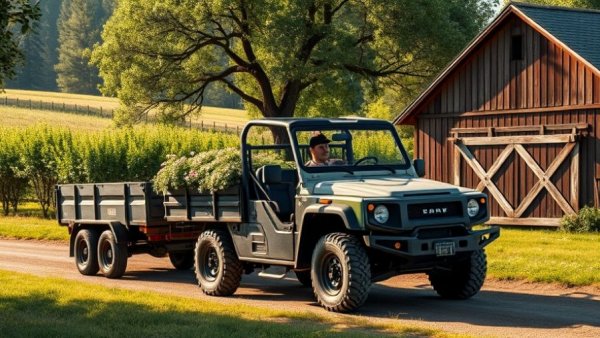
Polaris' success is largely attributed to the rise in demand for utility vehicles. As many consumers transition from high-priced trucks to more affordable side-by-sides, models like the Ranger 500 have become essential tools for work and recreation. Over 60% of Polaris's sales are derived from these utilitarian vehicles, indicating a shift in consumer priorities towards functionality and practicality in their purchases.
A Strategic Shift Paying Off
Polaris has also undertaken strategic portfolio adjustments, including the sale of Indian Motorcycle and some personnel cuts. These actions, while tough, have seemed to stabilize the company and align it more closely with current market demands. CEO Mike Speetzen emphasized this by stating, “Utility growth more than offset softness in more discretionary recreational markets,” highlighting Polaris's adaptability in a challenging marketplace.
The Road Ahead for Polaris
The upward trend for Polaris is a lesson in resilience and adaptability, especially during tough economic times. Rather than focusing solely on high-end recreational products, they've tapped into essential utility needs, ensuring they remain relevant to their target market. If the current trajectory continues, Polaris is likely to forge ahead, capitalizing on the growing appetite for practicality in the powersports industry.











Write A Comment