

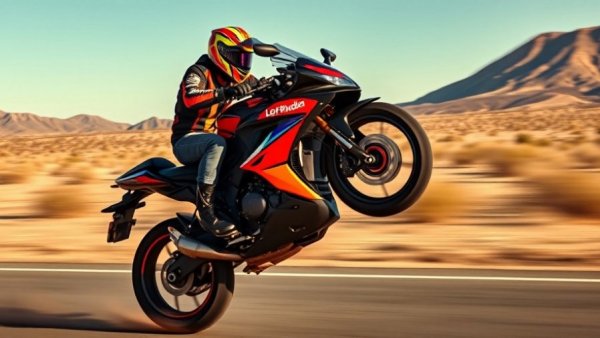
How a Lightweight Revolution Changed Superbikes Forever
In the early 1990s, superbikes were defined by sheer power and weight. Riders flocked to models like the Suzuki GSX-R1100 and Yamaha FZR1000, expecting performance but accepting cumbersome handling. Enter the Honda CBR900RR Fireblade in 1992, a bike that would shake up the whole scene. Rather than just pumping up horsepower, Honda reimagined the entire sportbike layout by prioritizing weight. This radical approach allowed the Fireblade to triumph over its heavier competitors, transforming what riders could expect from superbikes.
Introducing Tadao Baba and the Total Control Philosophy
At the heart of this motorcycle marvel was engineer Tadao Baba, who joined Honda straight out of high school. His vision, branded as "Total Control," aimed for a bike that felt instinctive and agile. Starting with a smaller 750cc concept, Baba eventually landed on a 900cc design, focusing on a light chassis that allowed for nimble cornering. With an aluminum twin-spar frame and a 16-inch front wheel, the bike not only matched existing giants in excitement but redefined handling dynamics that would influence future models.
Performance Over Numbers: Why the Fireblade Stood Out
On paper, the CBR900RR's specs didn't shout victory. It sported 'only' 122 horsepower and weighed in lighter than its rivals at 196 kg. Yet, it outperformed the competition on the racetrack, lapping over a second quicker than the GSX-R1100 and FZR1000. Riders noted its quick steering and responsive handling, a thrilling departure from the clunky alternatives. This motorcycle was not just about power; it revolutionized how bikes could feel and perform, demonstrating that lightness truly was the new fast.











Write A Comment