

Startling Fact: Did you know that statistics reveal over 80% of motorcycle accidents result in injury or death? It's a harsh reality unfolding daily on our roads, demonstrating just how vulnerable motorcycle riders are during every ride
Unmasking the True Impact of Trauma on Motorcyclists
The impact of trauma on motorcyclists is an invisible battle few recognize until it’s too late. When a motorcycle accident occurs, the immediate focus is on treating severe injuries—broken bones, abrasions, and sometimes, the tragic loss of life. Yet, the psychological aftermath is often overlooked, affecting judgment, relationships, and even a rider’s willingness to return to the open road. In reality, the trauma experienced by motorcycle accident victims lingers long after wounds have closed, manifesting as anxiety, depression, and, for some, disabling stress disorders. The impact of trauma on motorcyclists extends to every facet of their lives, challenging them to rebuild a sense of safety and trust in both themselves and others.
Motorcycle incidents can drastically change the trajectory of a rider’s life. The combination of physical injuries and psychological trauma can create barriers to recovery that are not always visible. As personal injury claims and pain and suffering become hurdles to overcome, riders often feel isolated—caught between “moving on” and admitting to lasting emotional scars. This article explores these multifaceted challenges, offers insights for family and friends of injured riders, and highlights what’s needed to disrupt the cycle of silence that too often surrounds motorcycle wrecks and their aftermath.
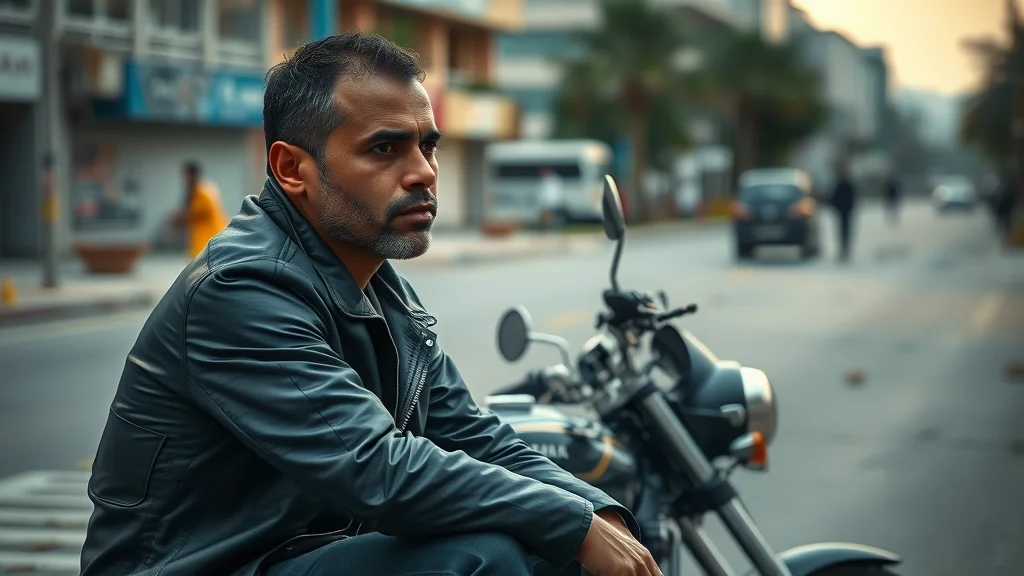
"Statistics reveal that over 80% of motorcycle accidents result in injury or death—a stark reminder of the vulnerability of motorcycle riders."
What You'll Learn About the Impact of Trauma on Motorcyclists
- Understanding the psychological and physical aspects of trauma after a motorcycle accident
- Recognizing signs of PTSD and stress disorder in motorcycle riders
- How the legal system interacts with trauma and personal injury claims for motorcyclists
- Coping strategies and resources available for affected riders
- The societal implications of unaddressed motorcyclist trauma
Motorcycle Accident: The Immediate and Lasting Effects
Physical Injuries vs. Psychological Trauma After Motorcycle Accidents
A motorcycle accident can leave visible and invisible wounds. The physical injuries—such as broken bones, severe abrasions, or concussions—are often the first to be treated. These severe injuries can keep a rider hospitalized, face mounting medical bills, and sometimes deal with lost wages due to time away from work. Among the most common types of injuries resulting from a motorcycle crash are head injuries and traumatic brain injuries (TBI), which can have life-altering consequences not only for body function but also for cognition and mood.
Just as profound, but far less visible, is the psychological trauma following a motorcycle accident. Accident victims often grapple with recurring nightmares, persistent fear of riding, and social withdrawal. While physical rehabilitation can restore function, these internal battles are just as real and just as disabling. Many accident victims describe feeling “disconnected” from their lives, experiencing emotional numbing or intrusive memories. These struggles frequently go undiagnosed, as even medical professionals focus on physical recovery, inadvertently downplaying the very real mental health risks facing riders after a motorcycle wreck.
While trauma can stem from a single accident, it's important to recognize that certain external factors—such as manufacturer recalls—can also increase the risk of crashes and subsequent injuries. For example, the 2025 Kawasaki motorcycle recall highlights how mechanical hazards can contribute to serious accidents, underscoring the need for riders to stay informed about potential safety issues.
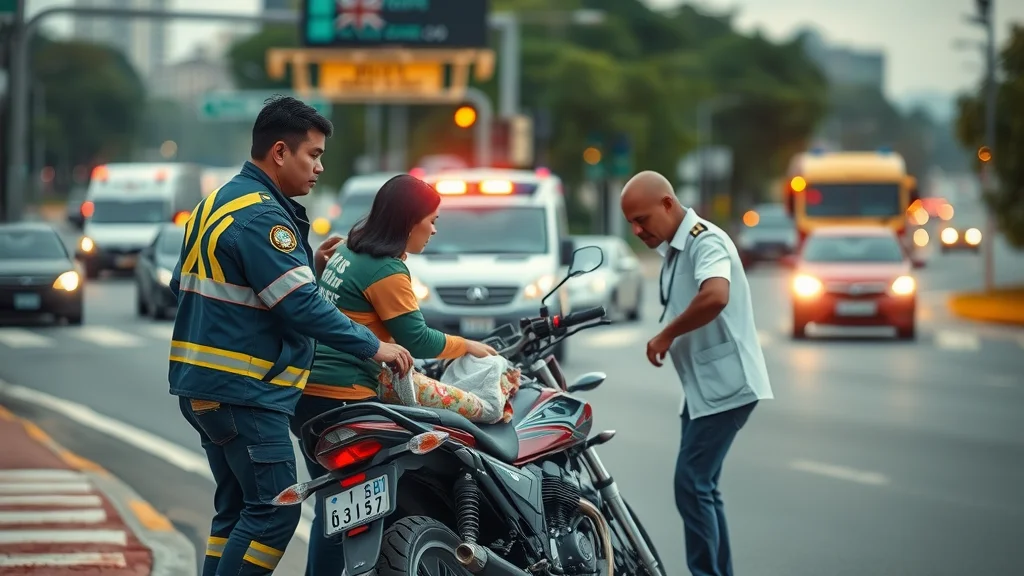
The Ripple Effect: Personal Injury and Pain and Suffering for Motorcycle Riders
Traumatic Brain Injuries and Their Influence on Mental Health
Traumatic brain injuries (TBIs) represent a particularly insidious challenge for motorcycle accident victims. Even minor head injuries can trigger lasting personality changes, memory disruptions, and serious mental health complications. Brain injuries are not only the most common type of severe injury in motorcycle crashes—they’re also among the hardest to fully diagnose and treat. Many survivors experience mood swings, chronic headaches, and difficulties making decisions, which can undermine confidence in returning to daily routines, work, or even relationships.
Untreated, TBIs often lead to more severe mental health conditions such as anxiety, depression, and PTSD. In some cases, the subtle changes in cognition or personality following a brain injury may impact a rider’s ability to communicate, process emotions, and feel safe. Family members and friends of motorcycle riders can play a vital role in encouraging early medical evaluation, professional therapy, and ongoing support. Acknowledging both the acute dangers and the profound ripple effects of brain injuries is essential for any true conversation about pain and suffering in this context.

The Silent Struggle: Psychological Trauma After a Motorcycle Wreck
Stress Disorder, PTSD, and Mental Health Challenges for Motorcycle Riders
The psychological trauma following a motorcycle wreck is, for many, the true hidden battle. More than half of motorcycle accident victims will go on to experience stress disorder or full-blown PTSD after a serious crash. Symptoms often manifest in the weeks following the injury: sleeplessness, flashbacks, irritability, or an unshakable fear of riding again. The impact of trauma on motorcyclists is compounded by stigma—riders may feel pressured to “tough it out” and downplay their suffering, especially in cultures that prize resilience or self-reliance.
This internal struggle is rarely acknowledged by society and is often insufficiently addressed by medical professionals, leading to a cycle where injuries resulting from an accident evolve into lifelong mental health challenges. Psychological trauma can deeply strain personal relationships and even lead to substance abuse or withdrawal from the riding community. As the conversation grows around mental health among accident victims, motorcycle riders must be empowered to seek help, with resources designed to address the unique dynamics of riding culture.
"Surviving a motorcycle crash often marks the beginning of an invisible battle—one that medical professionals sometimes overlook."
Legal Representation and Injury Claims for Motorcycle Accidents
Role of Injury Lawyers and Personal Injury Lawyers in Supporting Riders
After a motorcycle accident, the path to healing is rarely straightforward, given the complexity of the legal system and the emotional toll of trauma. Personal injury lawyers and injury attorneys play a critical role in guiding riders through the maze of injury claim paperwork, insurance company negotiations, and litigation when needed. Their experience in handling motorcycle accident cases ensures that accident victims have advocates who understand both the tangible and intangible costs—covering medical bills, lost wages, and pain and suffering.
A knowledgeable injury lawyer is often the difference between an adequate settlement and a future burdened by financial and emotional hardship. Beyond compensation for severe injuries, they can connect riders with resources for ongoing mental health care, therapy, and rehabilitation. Lawyers who focus on motorcycle accidents recognize the special circumstances these riders face and strive to address not just the seen, but also the often-unseen, impact of trauma.

Navigating Insurance Companies After a Motorcycle Crash
Dealing with insurance companies after a motorcycle crash can be overwhelming, especially for those concurrently coping with stress disorder or physical injuries. Insurers may investigate claims thoroughly to limit payouts, making the experience stressful for accident victims. Understanding your rights and duties, as well as what types of injuries and suffering are covered, is essential. Documentation—medical reports, therapy notes, and police records—become critical tools.
An experienced injury attorney provides much-needed guidance, fighting for coverage not only for visible injuries like fractures or brain injuries, but also for the less tangible effects, such as psychological trauma and chronic pain. Riders are often surprised to discover that insurance policies may be leveraged to cover mental health therapy and long-term support. Engaging with a skilled lawyer early ensures that all dimensions of trauma are considered—and compensated.
| Type of Trauma | Short-term Effects | Long-term Effects | Legal Options |
|---|---|---|---|
| Physical Injury | Immediate pain, immobility | Chronic pain, disability | Personal injury claim |
| Traumatic Brain Injury | Confusion, headaches | Memory loss, cognitive issues | Injury attorney support |
| Psychological Trauma | Anxiety, fear | PTSD, depression | Compensation for pain and suffering |
Coping and Recovery: Rebuilding Life After Motorcycle Accidents
Recovery following a motorcycle accident encompasses far more than simply healing from physical wounds. Many motorcycle riders must address both visible and invisible scars. For some, this means overcoming mobility challenges via physical rehabilitation, while for others, the real struggle is regaining emotional stability and trust—essential for getting back on the bike. Coping often requires professional therapy, a commitment to ongoing healing, and the support of family, friends, and community groups.
Structures like peer support groups and mental health counseling can be lifelines, helping accident victims confront their stress disorder, anxiety, or depression. Family involvement is also crucial; when loved ones learn about signs of psychological trauma and are present through ups and downs, recovery rates often improve. Ultimately, rebuilding life after a motorcycle crash demands a comprehensive, compassionate approach—one that sees the whole person beyond the initial injuries result.

- Accessing therapy for psychological trauma
- Physical rehabilitation after a motorcycle crash
- Support groups for stress disorder recovery
- Role of family in healing
People Also Ask: Common Questions About the Impact of Trauma on Motorcyclists
What is the #1 cause of motorcycle accidents?
The leading cause of motorcycle accidents is motor vehicle drivers failing to detect and recognize motorcycles in traffic, often during left-turn scenarios or lane changes, which can have devastating consequences for motorcycle riders.
What is the 12 second rule on a motorcycle?
The 12 second rule advises motorcycle riders to continuously scan the road 12 seconds ahead of their lane position, improving reaction times and helping avoid sudden hazards that could result in motorcycle accidents.
How to get over motorcycle PTSD?
Overcoming PTSD after a motorcycle wreck often involves professional therapy, joining support groups for trauma survivors, gradual re-exposure to riding, and maintaining strong social connections for long-term healing.
What are the 5 signs of injury trauma?
The five key signs of injury trauma include physical pain, emotional numbness, anxiety or depression, sleep disturbances, and changes in interpersonal relationships—all of which can impact motorcyclists after an accident.
Watch: Motorcyclists' Road to Recovery—Survivors, Experts, and Legal Support
Key Takeaways: The Impact of Trauma on Motorcyclists
- Motorcycle accidents often leave lasting physical and psychological scars.
- Motorcycle riders face unique legal and mental health challenges post-injury.
- Comprehensive recovery includes addressing both personal injury and psychological trauma.
- Awareness and support are crucial for riders rebuilding after a motorcycle crash.
Frequently Asked Questions About Trauma in Motorcycle Accidents
-
What resources exist for motorcycle riders experiencing stress disorder?
Riders can access mental health counselors, local support groups, national trauma survivor organizations, and specialized online forums for accident victims. -
Can personal injury lawyers assist with psychological trauma claims?
Yes, a personal injury lawyer can help build a case that includes compensation for mental anguish, therapy costs, and pain and suffering in addition to physical injury claims. -
How does insurance handle claims for pain and suffering after a motorcycle wreck?
Insurance companies may cover pain and suffering if adequately documented; working with an injury attorney ensures all forms of trauma are included in settlement negotiations. -
Are traumatic brain injuries common in motorcycle crashes?
Unfortunately, traumatic brain injuries are among the most frequent and severe injuries resulting from motorcycle accidents, reinforcing the need for immediate medical care and proper legal representation.
Final Reflections on the Hidden Battle: Author's Perspective
"It’s not just the physical wounds that hurt; the invisible scars often linger longer, impacting every ride, every relationship, and every day."
Join the Conversation and Support Motorcycle Riders
Share your story or reach out for support—let’s break the silence surrounding the impact of trauma on motorcyclists and empower our community to heal and thrive.
Whether you ride or know someone who does, recognizing the true impact of trauma on motorcyclists is the first step. Let’s advocate for better support, increased awareness, and compassionate recovery for all motorcycle riders.
If you’re committed to staying safe on the road, it’s essential to be proactive about both your mental and physical well-being as a rider. Beyond understanding trauma, keeping up with industry news—like major recalls—can help prevent accidents before they happen. For a deeper look at how manufacturer issues can pose unexpected risks, explore the details of the recent Kawasaki motorcycle recall and its implications for rider safety. By staying informed and vigilant, you can better protect yourself and your community from both visible and hidden dangers on the road.










Write A Comment