
The open road calls to all bikers—offering freedom, camaraderie, and unparalleled adventure. But under the roar of engines and the brotherhood of the biker community, many riders face battles that aren’t always visible. Mental health support for bikers goes far beyond simple encouragement; it can be a true lifeline. Whether you ride for throttle therapy, a sense of purpose, or to find connection, your mind’s wellbeing is just as essential as your bike’s health. Today, let’s journey together to explore why supporting the mental health of bikers matters, how you can find help, and why speaking up makes the entire highway safer and stronger.
The Importance of Mental Health Support for Bikers
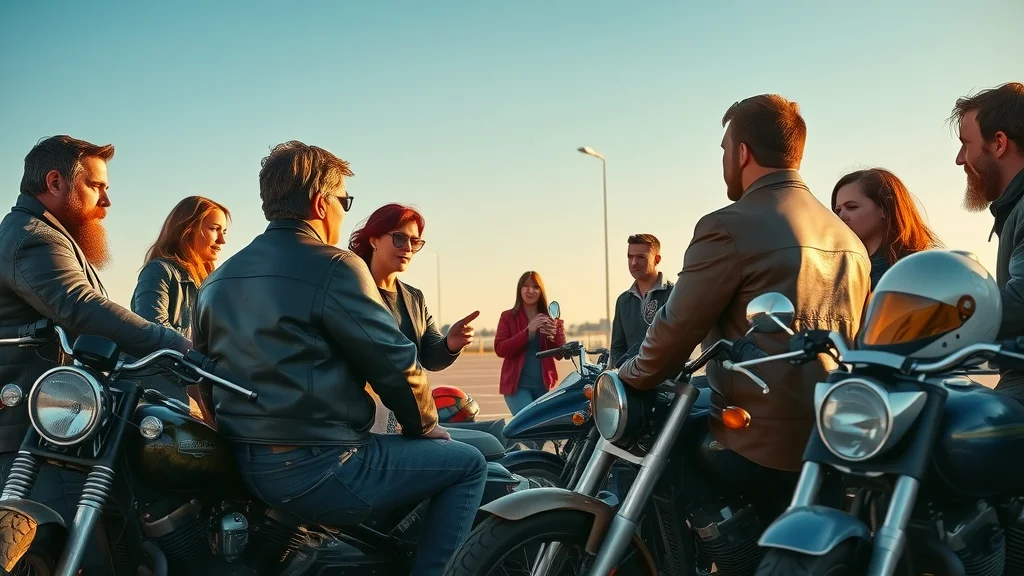
The biker lifestyle, revered for its spirit of independence and resilience, can sometimes overshadow the reality that mental battles are common on and off the road. Mental health support for bikers directly addresses challenges faced by motorcycle enthusiasts, especially within tight-knit communities like support bikers Colorado. Whether you’re an experienced road warrior or a newcomer introduced to motorcycles through friends or family, prioritizing mental wellness keeps the journey upright and thriving.
Many bikers are drawn to the sense of community and freedom that riding offers. However, the pressures of maintaining an “unbreakable” image or the trauma from an accident—like what the wrecked rider fund addresses—can leave individuals reluctant to seek behavioral health help. Support biker groups, both locally and countrywide, play a vital role in changing perceptions and normalizing conversations about mental health for motorcycle enthusiasts. With proper resources, education, and encouragement to reach out, more bikers find support, leading to healthier, safer journeys for everyone.
"As a biker, I’ve learned that the journey doesn’t just challenge your bike—it tests your mind. Mental health support for bikers is a lifeline for our community."
What You'll Learn About Mental Health Support for Bikers
- Why mental health matters to bikers and motorcycle enthusiasts
- How support networks like support biker and support bikers colorado make a difference
- Resources for behavioral health in the biker community
- How to recognize when you or a fellow biker may need support
- Expert and community insights into overcoming stigma
The Unique Challenges Facing Bikers: More Than Just the Road
Exploring the Biker Community and Its Stresses
Riding offers a unique form of therapy—throttle therapy, as many call it. But life in the biker community can also bring emotional burdens. For veterans and first responders who ride, the motorcycle becomes more than a machine; it’s a vessel for healing from past trauma or active duty. Yet, the solitude of the open road, the need to appear tough, and the weight of past events (from accidents to service in the marine corps or army) can foster feelings of isolation. Social media often highlights the glossy parts of biker culture, rarely the sleepless nights after a wrecked ride or the struggle to build mentor relationships outside traditional environments.
In Colorado, renowned for its scenic highways and passionate groups like support bikers colorado, pressures expand. The breathtaking routes invite adventure, but they also serve as reminders of the risks. When a fellow veteran or even a pastor bob in your group struggles, it becomes clear just how essential accessible mental health support for bikers is—for yourself and your companions. With the community’s strong bonds comes a responsibility: to watch for warning signs, talk openly, and ensure behavioral health resources are never out of reach.
While mental health is a crucial aspect of every rider's journey, it's equally important to stay informed about physical safety concerns that can impact your wellbeing. For example, recent developments such as the 2025 Kawasaki motorcycle recall due to a serious crash hazard highlight how mechanical issues can add to the stress and anxiety riders may experience. Staying updated on such safety alerts is another way to protect both your mind and body on the road.
Why Mental Health for Bikers Colorado Deserves Special Attention
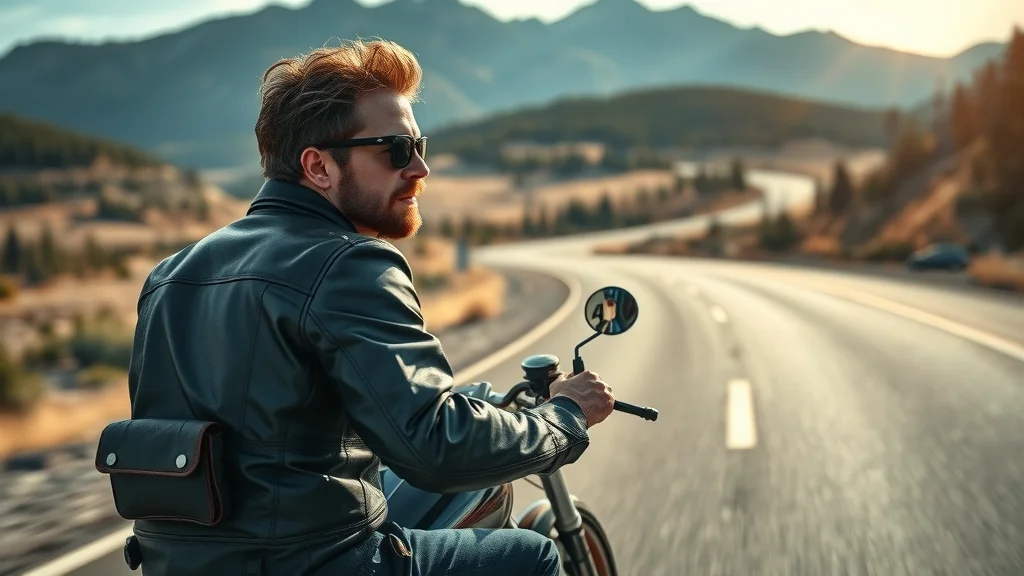
Colorado’s biker scene stands out—not only for its majestic mountain roads, but also for the diversity of riders ranging from active-duty veterans to everyday motorcycle enthusiasts. The state’s unique landscape presents opportunities for both healing and hardship. While long rides along the foothills can wash away stress, they can also magnify feelings of being alone, especially after a traumatic event such as an accident. Community-based support biker organizations recognize Colorado’s specific needs by building trust, supporting recovery, and raising money for those affected.
This state’s biker culture is as much about resilience as it is about brotherhood and sisterhood. Initiatives like support bikers colorado and the wrecked rider fund grew from the understanding that mental health and behavioral health challenges—whether anxiety, PTSD, or depression—demand dedicated action. These organizations connect bikers to compassionate resources, train volunteers to recognize the warning signs, and ensure that behavioral health support is not just a last resort, but a fellow traveler on every ride.
| Challenge | Impact on Mental Health |
|---|---|
| Long rides & solitude | Increased risk of isolation |
| Accident trauma (wrecked rider) | PTSD, anxiety |
| Stigma in biker community | Reluctance to seek behavioral health help |
| Group pressure | Difficulty expressing vulnerability |
Support Networks & Groups: How Bikers Colorado Build Resilience
Profiles: Support Biker, Support Bikers, and Support Bikers Colorado
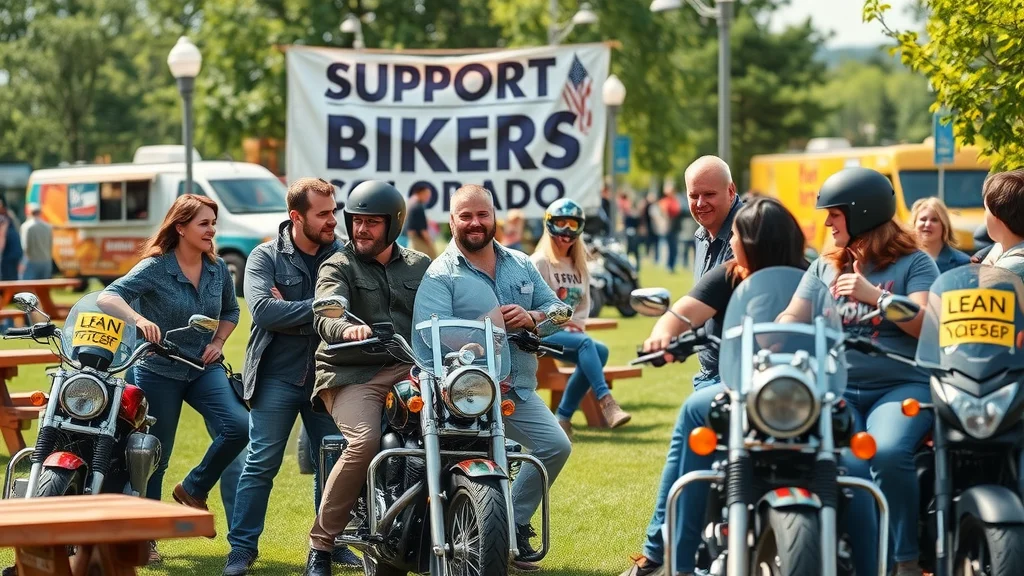
Real strength in the biker community is rooted in brotherhood, mentorship, and collaboration. Groups like support biker, support bikers, and support bikers colorado were formed to address the practical and emotional needs of riders throughout Colorado and beyond. By offering everything from check-in calls to expert-led behavioral health training, these groups have become lifelines for riders recovering from accidents, navigating military transitions, or simply needing a friend.
These networks raise money for those in crisis through initiatives like the rider fund, build mentor relationships to help newcomers integrate, and maintain partnerships with behavioral health professionals attuned to the specific realities of the biker lifestyle. Whether you’re looking for guidance after being introduced to motorcycles, craving authentic social connections, or working through the aftermath of a wrecked ride, these groups ensure that you never have to ride alone in your struggles.
Spotlight: Krystal Hess and Behavioral Health Advocacy
Some leaders stand out for their relentless effort and compassion. Krystal Hess is one such beacon within the motorcycle enthusiast world. Founder of Motorcycle Missions and a champion for mental health and behavioral health, Krystal utilizes her own stories as an army veteran to break the silence around post-traumatic stress, depression, and anxiety issues bikers face.
"Krystal Hess has become a beacon for mental health advocacy among motorcycle enthusiasts, leading efforts in both education and funding."
Krystal’s groundbreaking work has been especially meaningful in Colorado, where her voice resonates with both civilians and veterans. From workshops combating stigma to campaigns supporting the wrecked rider fund, her holistic approach includes both practical help and a powerful sense of community. She’s demonstrated that by blending lived experience with behavioral health expertise, it’s possible to transform vulnerability into strength—paving a new road for support bikers everywhere.
How the Wrecked Rider Fund and Rider Fund Support Bikers
- Purpose and impact of the wrecked rider fund
- Accessing help after an accident
- Stories of recovery through community funding
When disaster strikes—a crash, a slide, a sudden twist of fate—the wrecked rider fund and rider fund become vital safety nets. Originating within the biker community, these funds immediately deploy support for those facing physical injuries, lost income, or emotional trauma from wrecked rides. More than financial aid, these funds represent a collective pledge: we do not leave our own behind.
Any biker can access help through these initiatives, which offer confidential requests and streamlined vetting through local or national networks such as support bikers colorado. These funds are powered by donations, benefit rides, and social media awareness, often amplified by stories from army veterans, police department affiliates, and even fellow veterans lending their own support biker experiences. Each grant made isn’t just about paying hospital bills—it’s a symbol of a caring brotherhood and a lifeline for mental wellness when hope feels in short supply.
Behavioral Health Resources for Motorcycle Enthusiasts
Local Organizations Offering Mental Health Support for Bikers in Colorado
If you’re searching for tailored mental health support for bikers, Colorado is filled with organizations ready to help. Community outreach centers, biker clubs, veteran support services, and behavioral health specialists collaborate closely to respond to needs unique to the motorcycle enthusiast demographic. Groups like Support Bikers Colorado often serve as bridges to local therapists, peer counselors, and recovery coaches who understand both riding culture and trauma-related mental illness.
Partnerships with police departments, veteran agencies, and the wider social media community create quick access hubs for those struggling with stress, anxiety, or the aftermath of a wrecked rider scenario. Volunteering, educational workshops, and open forums foster trust, foster mentor bonds, and ensure everyone—whether introduced to motorcycles or seasoned on the open road—finds the behavioral health support they deserve.
Virtual Support Groups and Online Forums
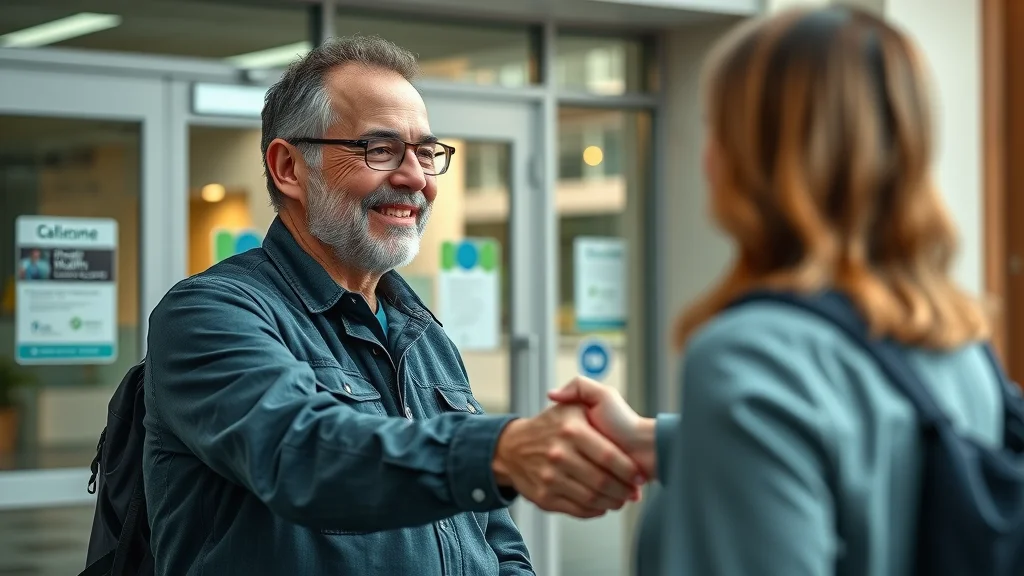
Not every biker can make it to an in-person group, but that doesn’t mean you have to ride solo through tough times. The digital era has ushered in virtual support groups, online forums, and even dedicated social media communities managed by organizations like Support Bikers. These platforms offer judgment-free zones where you can share your thoughts—anonymously or openly—ask for advice, and tap into a wellspring of behavioral health resources.
Through video meet-ups, online workshops, and message boards, bikers from Colorado to the United States at large find support that fits their schedule and comfort level. Moderators and fellow veterans alike make sure conversations stay respectful and caring. Whether you’re opening up after a wrecked ride, managing mental illness, or just seeking a sense of community on the nights the open road feels long, the virtual space ensures mental health support for bikers is just a call or text away.
Overcoming Stigma: Fostering Real Support in the Biker Community
- Breaking the silence: how to talk about mental health for bikers
- Building trust in the biker community
- Tools for self-care and peer-to-peer support
Despite growing awareness, stigma still casts a shadow over mental health in the biker community. Many riders feel pressure to “tough it out,” dismissing behavioral health as a private issue. But real courage comes from breaking the silence. It starts with opening up—to a riding buddy, a support group, or an online forum—about struggles, worries, and hopes. When leaders like Krystal Hess, pastor bob, or fellow veterans speak up, it paves the way for others.
Building trust is about sharing vulnerability, not just celebrating resilience. Establishing regular mental health check-ins within biker clubs, promoting self-care routines, and expanding peer-to-peer education are vital tools. These practices do more than keep individuals safe—they reinforce the foundation of a strong, supportive biker community, where strength is found in unity and compassion.
Personal Reflections: Why I Advocate for Mental Health Support for Bikers
"Sharing your struggle isn’t weakness; it’s what makes this brotherhood and sisterhood truly strong."
My own path with motorcycles and mental health support for bikers has been filled with peaks and valleys. The longer I ride, the more I realize that courage is not just about facing down mountains or racing the open road. It’s about showing up—honestly and vulnerably—for yourself and those around you. I’ve seen friends transformed by the caring outreach of support bikers colorado, witnessed lives changed, and heartbreak lessened through unity, behavioral health advocacy, and relentless hope. That’s why I speak, write, and encourage every biker to reach out and ride together toward wellness.
People Also Ask: Understanding Mental Health and Biker Culture
What does 2 fingers down mean for bikers?
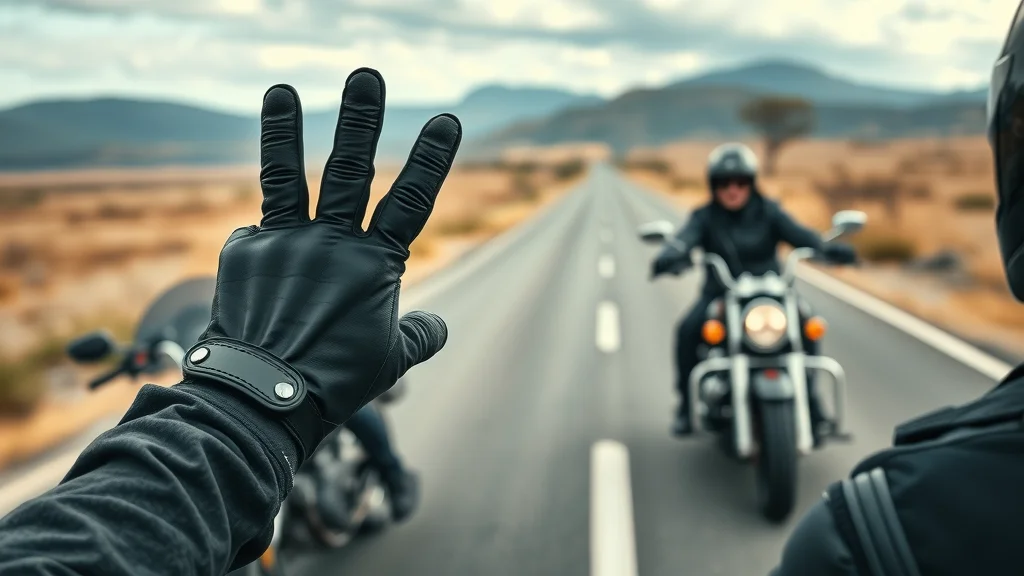
The “2 fingers down” gesture—two gloved fingers extended downward from the handlebars—is a universal sign of respect and camaraderie among motorcyclists. It’s a nod that says, “Ride safe, I see you.” In the context of mental health support for bikers, this small act reminds us of the brotherhood/sisterhood and the quiet understanding that we’re part of something bigger—a supportive, watchful community, even when words aren’t exchanged.
Explainer: The Symbolic Meaning and Community Connection
While every biker interprets the gesture a bit differently, it’s broadly accepted as an acknowledgment of shared risk and loyalty. Whether you’re a marine corps veteran, a new rider, or a long-time member of a support biker group, these symbols reinforce that safety and support go beyond helmets and leather vests. They’re daily reminders that you can always find support—or be the one to offer it—in the subtlest ways.
Does bike riding help with mental health?
Yes, bike riding often helps manage stress, anxiety, and depression for many. The rhythm of the road, the focus required, and the exposure to nature combine for powerful throttle therapy. Recent studies and personal testimonies from Colorado’s bikers highlight that even short rides can improve mood and sharpen mental clarity. However, it’s important to remember that while riding supports wellbeing, it’s not a substitute for professional behavioral health care when needed.
The Science Behind Riding and Wellbeing Benefits
Physical movement, goal-setting, and sensory engagement during rides trigger endorphin release and can boost self-esteem. For army veterans, police department officers, and civilians alike, motorcycle riding is often woven into their mental wellness routine. The sense of community, shared purpose, and adventure all contribute to healing—which is why mental health support for bikers also emphasizes safe, mindful riding and access to behavioral health care as a holistic strategy.
What are the signs of someone struggling with mental health?
Warning signs may include prolonged mood changes, withdrawal from group rides or events, irritability, trouble concentrating, or loss of interest in hobbies like maintaining their motorcycle. A wrecked rider may be reluctant to seek help or openly discuss their experiences. Friends and support bikers can make a meaningful difference by checking in, listening without judgment, and gently recommending behavioral health resources or a professional mental health assessment.
Recognizing the Warning Signs in Fellow Bikers
In the tight-knit biker community, noticing shifts in behavior is key. Missed rides, sudden silence on social media, or changes in riding habits can all be clues. Offering a call or text, suggesting a low-pressure chat, or inviting participation in a support bikers colorado event may provide the opening someone needs to share what they’re facing. Peer support and awareness save lives.
What to do when you are struggling mentally?
First, know you’re not alone—mental health support for bikers is always available. Reach out to a support biker, trusted club member, or turn to online communities for a confidential space to talk. Create a self-care plan, consider professional behavioral health advice, and utilize emergency helplines if your distress feels overwhelming. Remember, vulnerability drives true brotherhood and sisterhood—taking action could be your ride’s most important turn.
Action Steps and Available Mental Health Support for Bikers
Wherever you are in Colorado or beyond, consult lists of local therapists who understand the biker community, contact support bikers colorado, or access virtual forums operated by support bikers. Don’t wait—your wellbeing is worth prioritizing. Encouraging someone else to find support can be just as impactful. Every conversation and small gesture counts when building a stronger, healthier community of riders.
Watch real stories—biker testimonials, group rides, mental health workshops, community gatherings, scenic Colorado highways, and moments of camaraderie—bringing the impact of behavioral health support for bikers to life through inspiring visuals and voices of transformation.
Strategies for Riders: Practical Tips for Maintaining Mental Health
- Self-care routines for bikers
- How to create a mental health check-in system
- Where to find emergency mental health support for bikers
Staying resilient begins with simple habits. Carve out time for reflection—journaling, meditation, or evening walks after rides. Stay connected through regular check-ins, either in person or via group texts, especially following tough rides or stressful events. If you sense a fellow rider is struggling, suggest a one-on-one coffee or low-pressure ride to open dialogue.
It’s also essential to familiarize yourself with local and virtual resources in Colorado, including support bikers colorado and online forums for behavioral health. In moments of urgent need, keep a list of hotlines and crisis services on your phone and share these regularly with your group. Remember, a strong support biker community is built not only on answering the call for help, but also by extending it to others when storms hit.
Hear from bikers: Heartfelt testimonials from riders who found healing, fellowship, and hope through support bikers colorado and the broader support biker movement. Their stories offer encouragement and proof that together, the biker community can break stigma and rebuild lives.
FAQs About Mental Health Support for Bikers
- What makes mental health support for bikers unique?
- Are there specialized therapists for the biker community?
- Can family and friends access support resources?
What makes mental health support for bikers unique? The tight bonds of brotherhood and a culture rooted in resilience mean bikers benefit from support tailored to their environment
Are there specialized therapists for the biker community? Yes! Many behavioral health professionals in Colorado and beyond understand biker culture and trauma—especially those connected with support bikers colorado, veteran networks, or peer-run organizations
Can family and friends access support resources? Absolutely
Key Takeaways from the Movement for Mental Health Support for Bikers
- Mental health support for bikers is vital—stigma-free, accessible help transforms lives.
- Support bikers colorado, the wrecked rider fund, and advocates like Krystal Hess provide crucial resources.
- Outreach, peer support, and regular check-ins strengthen the biker community and save lives.
- Every gesture, conversation, and ride together helps make mental health a visible, celebrated priority.
Conclusion: Making Mental Health a Priority in the Biker Community
Prioritizing mental health support for bikers means safer, happier roads for all—start your journey toward wellness and connection today.
Reach Out Today – Discover Mental Health Support for Bikers Near You
Don’t wait—if you or someone you care about is struggling, connect with support bikers colorado, start a conversation, or find a local behavioral health resource. Your next ride could lead to hope—find support today.
As you continue your journey toward better mental health and community connection, remember that staying informed about broader safety issues is just as important. For a deeper look at how industry-wide developments can affect your riding experience and peace of mind, explore our coverage on the 2025 Kawasaki motorcycle recall and its implications for rider safety. Expanding your awareness of both mental and physical wellbeing ensures you’re prepared for every mile ahead.










Write A Comment