

Add Row
Add Element
Rider Safety News
update
Rider Safe News
update
Add Element
  • Home
  • Categories
  • Featured Business Profiles
  • Moto Rally News & Motorcycle Sweepstakes
July 04.2025
3 Minutes Read

Motorcycle Pelvic Injuries: Understanding Serious Risks and Recovery Options

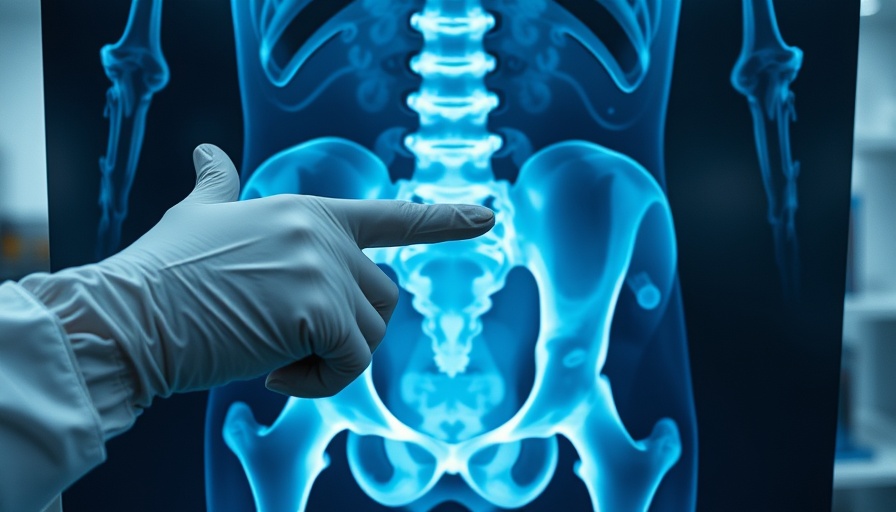
Pelvic X-ray analysis for motorcycle pelvic injuries, medical focus.

Understanding Motorcycle Pelvic Injuries: More Than Meets the Eye

Riding a motorcycle comes with its own set of risks, one being the significant threat of pelvic injuries. This part of the body is often a silent victim during a crash, yet its implications can be far-reaching. The pelvis, being the body's strongest structure, can endure substantial forces before succumbing to injury. However, when it does break, it can lead to complex challenges as the pelvis is interconnected with various vital organs and systems.

The Intricacies of Pelvic Anatomy

The pelvis is not just a single bone; it is a complex structure made up of several components. Comprised of two sides and a middle segment, its architecture includes the Ilium, Pubis, and Ischium, with vital connections at the Sacrum—the tailbone we’ve all heard of. Imagine it as a ring; injuries can occur anywhere around this circle. Common scenarios include the separation of the Ilium from the Sacrum or fractures that may necessitate surgical intervention to restore normal function. In the event of an injury, repair procedures typically involve the use of screws or plates to stabilize the bones, often resulting in permanent loss of motion at the joint.

The Perils of Open Book Fractures

One of the gravest types of pelvic injuries is known as the Open Book Fracture. This isn’t just a catchy name; it hints at the significant danger of such injuries. Picture opening a book too wide, causing the binding to fail. This is akin to what happens in the pelvis: the Ilium can separate dangerously at the bottom, often accompanied by a fracture at the SI joint. These types of fractures can result in serious complications like internal bleeding, nerve, and bladder damage, or even injuries to the reproductive organs. Unfortunately, the risk of death is notably higher with these unstable fractures, given their potential for causing significant vascular damage.

A Closer Look at Associated Injuries

Pelvic injuries don’t often occur in isolation. They frequently come with femoral head fractures or damage to the hip joint. The powerful forces that break the pelvis can often have a double impact, leading to injuries across interconnected bone structures. This interconnectedness makes immediate diagnosis and treatment crucial, as overlooking a related injury could complicate recovery significantly.

Classifying Pelvic Injuries: The Importance of Understanding

Pelvic injuries can be classified based on the direction of impact and whether they are stable or unstable. While it may sound overly technical, understanding these classifications can lead to better outcomes for patients. Stable fractures, for instance, might allow for a simpler treatment approach, whereas unstable fractures necessitate intensive intervention due to their higher mortality risk.

The Journey of Repair: What to Expect

Repairing pelvic injuries varies significantly between individuals based on the type and location of the fracture. For some, internal fixation with plates and screws might suffice, while others may face more complex surgical options, such as external fixators—or cages surrounding the pelvis, bolted with pins for stabilization. Each of these procedures will be tailored to the patient's unique injuries, and rehabilitation will often follow to aid recovery.

What Vehicle Owners and Personal Injury Lawyers Should Know

For personal injury lawyers and motorcycle owners alike, understanding pelvic injuries is critical. These injuries can present unique challenges in legal scenarios, primarily due to their complicated nature and significant medical implications. Therefore, emphasizing the gravity of pelvic injuries can aid legal discussions around motorcycle accidents. Not only is this knowledge valuable for legal cases, but it also encourages motorcycle owners to prioritize safety gear designed to mitigate injury impact.

Encouraging Further Action and Safety Measures

Armed with the knowledge of pelvic injuries, motorcycle owners must consider additional measures to improve safety. From wearing advanced protective gear to completing safety courses, each action can play a role in reducing injury severity. Personal injury lawyers should advocate for improved standards in motorcycle safety, ensuring that victims receive the compensation they need to recover fully.

In conclusion, motorcycle pelvic injuries, while often overlooked, are a significant concern. Understanding these injuries—ranging from complex anatomical structures to the grave consequences of fractures—underscores the importance of both safety measures and legal awareness.

8 Views

0 Comments

Write A Comment

*
*
Related Posts All Posts
11.04.2025

Understanding the Invisible Struggles: PTSD and Depression in Bikers

Update The Hidden Mental Health Crisis Among Motorcycle RidersAfter surviving a motorcycle crash, many riders find themselves fighting an unexpected battle: the internal struggle with PTSD and depression. This crisis is more common than you might think. Reports reveal that nearly one in three motorcycle crash survivors may develop PTSD symptoms, while anxiety and depression affect many others.Why Motorcycle Crashes Are Especially TraumaticUnlike accidents in enclosed vehicles, motorcycle crashes expose riders to severe risks—both physically and mentally. The very nature of a motorcycle ride creates a visceral connection to the experience. Riders are often ejected from their bikes, and the harrowing memory of the event can replay in their minds like a broken record. The danger is heightened by an inadequate mental health support system for victims once the crash has occurred.Insurance Hassles: Adding Insult to InjuryOn top of battling physical recovery, riders also face the complexities of dealing with insurance companies. While recovering from trauma, dealing with adjusters who question the legitimacy of claims can exacerbate feelings of helplessness and anger, creating an emotional rollercoaster that hinders recovery. The Prolonged Stress of RecoveryRecovery is often a long and arduous process. Riders navigate countless medical appointments, therapy sessions, and sometimes painful rehabilitation—all while worrying about mounting bills and potential long-term consequences of their injuries. Such relentless stress not only affects physical health but also significantly impacts mental well-being.A Community in CrisisIn the biker community, the silent suffering extends to companionship groups. If you ride with three friends, statistically, one of you might develop PTSD after a crash. This troubling statistic illustrates the undercurrent of anxiety and fear that plagues many riders. The community, known for its camaraderie, now faces a challenge where the joy of riding is overshadowed by these invisible wounds.Empowerment Through SupportThe good news is relief is achievable. Seeking help from medical professionals and participating in support groups can pave the way for healing. Biking communities—often viewed as places of joy and adventure—can also be significant support networks.Biker organizations like Motorcycle Missions utilize the therapeutic values of motorcycling to help victims reclaim their joy and mental strength. Studies even back these initiatives, showing how riding can reduce stress and improve focus.Make the Journey to Recovery CountBy acknowledging the psychological impacts of crashes and pursuing treatment, riders can start turning their stories around. Legal professionals specializing in motorcycle accidents can help victims include mental health claims as part of their compensation, aiding recovery by alleviating some of the financial burdens associated with treatment. They can also help riders navigate the often confusing claims process post-accident.Ignite Community AwarenessAs we raise awareness about the mental health consequences of motorcycle accidents, let’s cultivate a supportive community where bikers can freely discuss their struggles. Riders shouldn’t have to suffer alone in silence. Start conversations, educate others, and support one another through the healing process. The road to recovery is a journey best traveled together.

11.02.2025

Essential Steps Every Rider Should Know At A Crash Scene

Update Every Second Matters: The Essential Guide for Riders at Crash Scenes When a motorcycle crash occurs, time feels like it stands still. As a responsible rider, knowing what steps to take can mean the difference between life and death for fellow bikers. BikerDown Foundation emphasizes that your response in those critical moments is crucial for the injured. This guide will help equip you with the right actions to ensure safety and effectiveness at the crash scene. 1. Prioritize Safety First In the heat of the moment, your first instinct may be to rush to the injured rider. However, it's imperative to secure the scene first. Park your motorcycle safely, activate hazard lights, and use your bike or nearby vehicles to block traffic if it's safe to do so. Look for dangers like leaking fuel or downed power lines before getting involved. Your own wellbeing dictates your ability to help others — if you put yourself at risk, you could become another victim. 2. How to Assess the Situation Once the area is secure, approach the injured rider calmly and speak clearly: "Can you hear me?" Avoid vigorous interactions like shaking or removing their helmet unless necessary. Check for their breathing and demonstrate care as you assess for severe bleeding. Quick interventions like applying compression directly over wounds can be life-saving. Heavy blood loss can escalate lethality within minutes — knowing this can galvanize your actions. 3. Communicate with Emergency Services Clear communication can expedite help. Call 911 and be prepared with key details: location (use landmarks when possible), number of people involved, and the conditions of the injured. Delegate tasks to help manage chaos — someone can direct traffic while others call for help. As Hupy and Abraham notes, teamwork can genuinely save lives. 4. Understand What Care You Can Provide While waiting for medical professionals, apply first aid protocols you’ve learned. Remember to monitor breathing and control bleeding. Techniques like firm pressure or using a tourniquet can stabilize a rider until help arrives. It’s essential to keep the rider calm and warm; covering them with a jacket can prevent shock. Assume potential spinal injuries until confirmed otherwise and reinforce the importance of remaining stationary. 5. Maintain Control During The Wait Stay connected with the 911 dispatcher until help arrives. They might give you guidance on further actions based on the rider's condition. When first responders arrive, summarize the situation: describe what happened, the rider's status, and the actions you took to stabilize the scene. Your role is pivotal and can help the professionals jump into action promptly. 6. Be Prepared for Future Incidents While we can’t predict when an accident may occur, knowledge is empowering. Riders need to embrace responsibility — the more we know, the more capable we become in emergencies. Consider taking a first aid course or select motorcycle safety courses that offer strategies for real-life emergencies. By adhering to these guidelines, you’re not just another bystander — you become an essential part of the response team that can drastically influence outcomes for those involved in motorcycle accidents. Knowledge saved someone’s life before; it can do so again. So gear up, ride safe, and keep this guide handy for those unpredictable moments on the road. Be ready before it happens!

10.30.2025

Who Rides for Us? The Need for Support in the Motorcycle Community

Update Understanding the Motorcycle Community’s True Contributions Every weekend, across the nation, riders gather for charity runs, raising thousands, sometimes tens of thousands of dollars for various causes. It's a beautiful testament to the spirit of camaraderie, yet a harder truth remains: over 90% of the funds raised are sent outside the biker community. So, where does that leave us, the bikers? Reflection: Who Rides for Us? When tragedy strikes a fellow rider — be it a tragic accident leading to extensive medical recovery, or worse — the communal support tends to falter. What about those who contribute their time to raise funds? Shouldn’t they receive something in return? Our call is not to abandon support for important causes like veterans or children; rather, we should demand acknowledgment and support for the very community fostering such generosity. Creating a Safety Net for Riders in Need A practical and proven solution could involve integrating local biker charities, such as BikerDown, into the equation of charity events. By allowing even a small percentage, taken from registration fees, to remain in our biker community, we can root for our own. The funds raised could support biker-focused programs that provide real financial and emotional assistance to injured riders and their families. Turning the Tables: Biker Businesses' Roles Consider the biker bars and dealerships flourishing thanks to loyal patrons. While some do contribute to community fundraisers, the question remains: will they invest in a biker-specific charity that directly benefits injured riders? Many businesses thrive on the biker community's patronage, yet when disaster strikes, their financial interest often wanes. Motorcycle Operator Safety Training (M.O.S.T.) programs, for instance, receive significant funding through motorcycle registration fees. Yet, riders often do not see these programs returning the support. A reallocation of these funds could create programs directly aiding the bikers who help sustain these institutions. A Call to Action: Demanding Support from Our Community As we support charities through our rides, we must also question our allies. If motorcycle attorneys promise to represent bikers, what organizations do they support? Simply put, let’s root for the professionals and partners who not only value our business but also prioritize the well-being of our community. Ultimately, it’s about creating an ecosystem of mutual support among bikers, businesses, and charities. Let’s give back as generously as we receive — because when a rider goes down, it’s not just their loss; it’s a loss felt throughout our community. We need to step up, volunteer, and contribute to initiatives that think of us when the worst happens. Support Systems Already in Place Organizations like BikerDown have made strides in providing assistance to injured riders for over a decade. Their approach is simple yet effective: they understand our needs and offer support tailored specifically for bikers and their families. Injured riders may need financial assistance, medical equipment, or just guidance during their recovery process. Additionally, community-driven motorcycle accident funds are established as safety nets for riders, transitioning from generous fundraising events into actionable support. They stand waiting to provide help when life takes an unfortunate turn, delivering crucial assistance during the most difficult times. The Takeaway It’s time for the motorcycle community to rethink our impact and demand the reciprocity we deserve. Alongside promoting important causes, our collective efforts must include provisions that directly benefit the bikers who generously give of themselves. Let’s make our contributions count — not just for the greater causes, but for those riding beside us every day. If you’re interested in supporting injured riders or learning more about how to get involved, explore the resources and programs provided by organizations like BikerDown and others focused on supporting our community. Together, we can make a meaningful difference!

Terms of Service

Privacy Policy

Core Modal Title

Sorry, no results found

You Might Find These Articles Interesting

T
Please Check Your Email
We Will Be Following Up Shortly
*
*
*