
Rider Safety News
Rider Safe News
  • Home
  • Categories
  • Featured Business Profiles
  • Moto Rally News & Motorcycle Sweepstakes
July 27.2025
1 Minute Read

Motorcycle Rider Training Secrets for Confident and Safe Riding

Did you know that formal motorcycle rider training could cut your risk of a fatal accident almost in half? In a world where motorcycle safety is a top priority and each ride presents unique challenges, the difference between uncertainty and confidence often comes down to the training you choose. Whether you're a new enthusiast or a seasoned rider aiming to polish your skills, understanding the transformative power of proper motorcycle rider training can empower you on every mile . Stay tuned as we reveal the most essential insights and expert secrets that will reshape how you ride, keep you safer, and help you qualify for your motorcycle license faster than you imagined.

Discover Why Motorcycle Rider Training is Essential for Every Rider

Motorcycle rider training is more than just a legal requirement in many states—it's your lifeline to lasting confidence and motorcycle safety on the road. Every year, thousands of motorcycle accidents could be avoided with comprehensive instruction from a riding academy, yet many new and veteran riders underestimate the skills gap that exists without hands-on training. For instance, despite years of experience behind the wheel as a car driver, transitioning to two wheels exposes riders to unique risks and demands advanced riding techniques that are rarely intuitive.

Those who participate in motorcycle classes and riding skill programs report a striking decrease in crash rates, both minor and severe. Notably, the MSF Basic Rider Course and comparable offerings from reputable training providers teach critical hazard awareness and decision-making skills that protect riders in unpredictable traffic scenarios. A robust curriculum from a riding academy ensures that you master the core techniques, dramatically boosting your road presence, situational awareness, and emergency handling abilities.

Surprising Statistics on Motorcycle Safety and Rider Training Outcomes

Statistical evidence paints a compelling picture. According to the National Highway Traffic Safety Administration , riders who undergo structured motorcycle rider training are 45% less likely to be involved in a fatal accident than those who ride untrained. Further studies by the Motorcycle Safety Foundation reveal that graduates of certified programs such as the basic rider curriculum consistently outperform untrained counterparts in critical riding skills assessments. These outcomes result from emphasis on practices like proper braking, cornering, and situational awareness—core skills that even experienced car drivers may lack when they first step into the world of motorcycles.
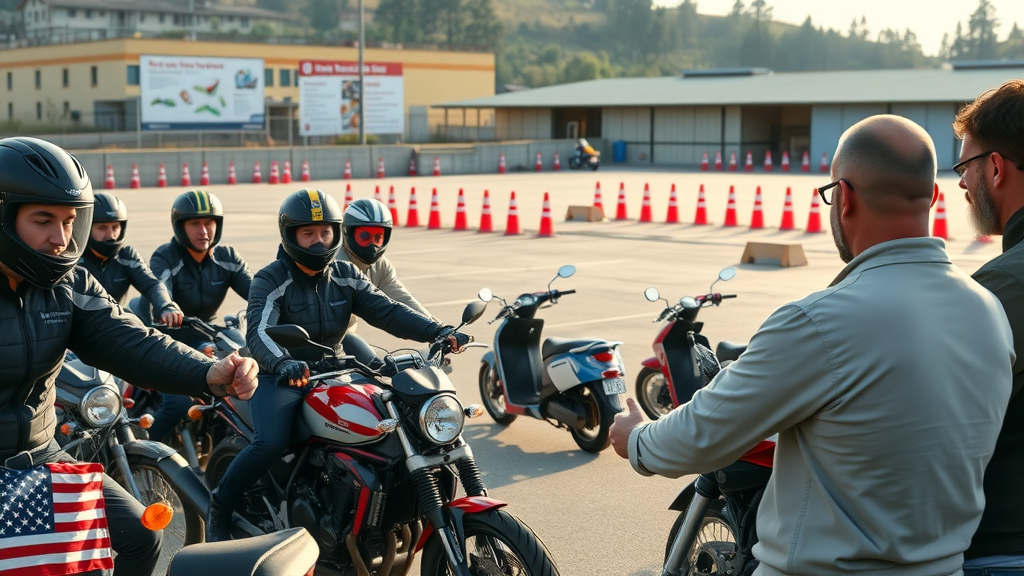
motorcycle rider training classroom with new riders and instructor, open lot with motorcycles and banners, detailed cones and props, morning sunlight
Classroom and practical training environments promote safer, more confident riding.
"Motorcyclists who complete formal motorcycle rider training are 45% less likely to be involved in a fatal accident compared to those without training." – National Highway Traffic Safety Administration

What You'll Unlock With Expert Motorcycle Rider Training

  • Master critical motorcycle safety techniques
  • Increase confidence on all types of roads
  • Qualify for a motorcycle license faster and more efficiently
  • Understand fundamental skills taught in leading riding academy programs
  • Learn how motorcycle classes accelerate skill growth
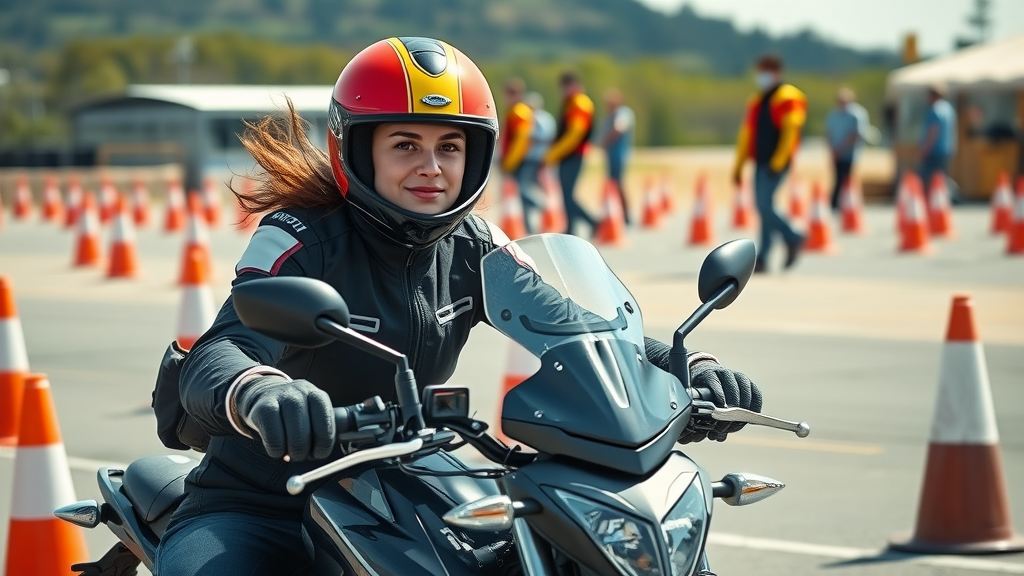
dynamic female motorcycle rider on training course, riding confidently, vibrant gear, cones and instructors, outdoor setting
Expert instruction helps you master skills and builds confidence in every rider.

How Motorcycle Rider Training Boosts Your Confidence and Motorcycle Safety

Comprehensive motorcycle rider training is the catalyst for true riding confidence and advanced motorcycle safety. With the right instruction, nervousness gives way to knowledge, and uncertainty is replaced by experience and quick-thinking—qualities that mark every safe and capable motorcycle rider. Enrolling in a riding academy prepares you not just to pass tests but to handle real-world traffic scenarios with poise. Many riders report feeling transformed after successful completion of a basic rider course, equipped with knowledge on motorcycle safety regulations and expert-level hazard awareness.

Professional motorcycle classes take you beyond textbook concepts. Practical application—such as maneuvering through challenging turns or perfecting emergency braking—becomes muscle memory under seasoned instructors. This hands-on approach, designed to reinforce riding skills in both solo and group settings, leads to faster licensing outcomes , heightened road confidence, and an enduring passion for safe motorcycling.

Building a Strong Foundation with a Basic Rider Course

Beginning your journey with a basic rider course lays the groundwork for all future success. These entry-level programs, such as the widely-recognized MSF Basic Rider Course , focus on the fundamentals: bike control, safe starting and stopping, shifting, turning, and navigating obstacles. With an emphasis on real-life scenarios, these courses ensure you learn the difference between defensive riding and reactive riding. The step-by-step structure is particularly helpful for riders with little to no previous experience, allowing participants to successfully complete objectives at their own pace.

During the basic rider course, instructors explain crucial safety concepts and riding techniques, but the true value lies in hours spent on the practice range. Here, students develop the reflexes and judgment required for quick stops, evasive maneuvers, and smooth operation across a variety of surfaces, from city streets to open highways. By completion, graduates have not only passed a set curriculum—they've internalized a safety-first mindset and nurtured a sense of community with fellow motorcycle riders.

Understanding Core Techniques from Motorcycle Classes

Expert-led motorcycle classes dedicate significant time to teaching and practicing core riding techniques essential for safe operation. From mastering the art of clutch control and throttle modulation to executing precision cornering at different speeds, training providers ensure every student is comfortable with their bike's mechanics and responsive under pressure. These classes aren't just about rules; they're about fostering an intuitive connection with your machine while always prioritizing motorcycle safety.

Key topics covered typically include hazard detection, risk management, and riding in varied weather and traffic conditions. Advanced motorcycle classes may introduce group riding etiquette, high-speed maneuvers, and navigation strategies for complex environments. As a result, both novice and returning riders leave with the tools necessary to adapt confidently to the changing demands of the road and to maintain responsible for lost or stolen offer awareness about their own limitations and those of others.

Advantages of Enrolling in a Certified Riding Academy

Choosing a certified riding academy amplifies the impact of your motorcycle rider training experience. Renowned programs ensure their instructors hold credentials from bodies like the Motorcycle Safety Foundation , guaranteeing up-to-date knowledge, a structured curriculum, and an emphasis on real-world applicability. Participants in riding academies generally enjoy a higher rate of motorcycle license acquisition, streamlined certification processes, and exclusive incentives such as insurance discounts or special offer codes at participating dealers—sometimes these incentives are subject to change or offered for a limited time only.

Another advantage lies in the breadth of training environments and equipment. Top riding academies partner with manufacturers and dealerships to supply current models, ensuring that students learn on bikes representative of what they will actually ride post-graduation. This controlled exposure builds muscle memory, sharpens perception, and instills a sense of accountability and pride—qualities every motorcycle rider values, regardless of their experience level.

Selecting the Right Motorcycle Rider Training Program

The key to maximizing the benefits of motorcycle rider training lies in selecting the program best suited to your needs. Programs vary depending on region, training provider, and the rider’s intended outcome—be it a first-time motorcycle license or sharpening skills for the next adventure. When choosing between motorcycle classes, look for credentials, curriculum structure, and feedback from recent graduates. Top programs are forthright about costs, prerequisites, and what makes their instruction unique, whether it’s extra practice hours, use of modern equipment, or pathways for accelerated licensing.

Comparing training providers helps identify those who offer the highest value, best technology, and most experienced instructors. Consider factors such as the availability of advanced modules, classroom versus on-range training ratios, and extras like post-class practice sessions or dealership partnerships with exclusive equipment trials. With your safety, skill advancement, and enjoyment in mind, decisive research ensures you enter a program where your progress and confidence soar.

Comparing Top Motorcycle Classes and Motorcycle Safety Courses

The market for motorcycle classes and safety courses is rich with options, but all programs are not created equal. Some training providers distinguish themselves with high graduate pass rates, cutting-edge riding simulators, or state-of-the-art safety equipment. Others focus on affordability, with tuition fees or package deals varying depending on location and included amenities. By reviewing what each course offers—with attention to riding skill enhancement, the quality of instruction, and certification integration—you can make an informed decision that aligns with both your budget and your goals.

National programs like those endorsed by the Motorcycle Safety Foundation are a safe bet for quality, yet regional favorites—such as Raceway Park in NJ or local riding academies—may offer better access, smaller class sizes, and community connections. Always confirm whether additional costs apply (such as equipment rentals, test fees, or optional practice sessions) and be mindful that participation may vary by season and demand.

Comparison Table: Leading Basic Rider Courses, Riding Academies, and Costs by Region
Program Name Location Certification Equipment Provided Average Cost Special Features
MSF Basic Rider Course Nationwide MSF / DMV Yes $250-400 Widely accepted, streamlined licensing, insurance discounts
Raceway Park Riding Academy New Jersey State & MSF Yes $325-425 Modern bikes, small classes, onsite licensing test
Local Community College Program Varies State Some $200-350 Flexible schedules, discounted tuition for residents
Private Training Provider Urban/Suburban State/MSF Varies $300-500 Advanced technique modules available

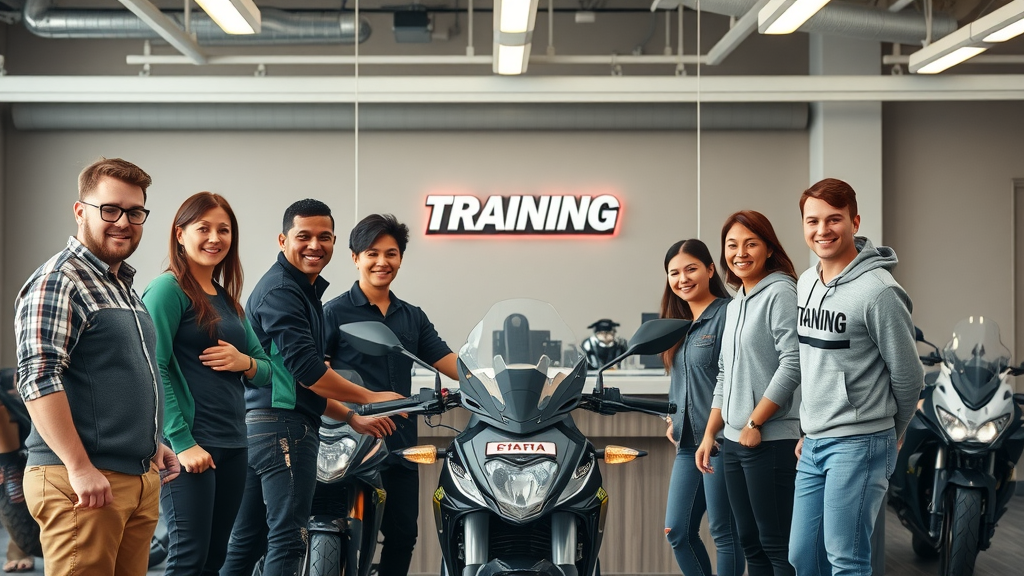
modern motorcycle training facility in NJ, staff and students discussing programs at front desk, motorcycles and gear visible
Welcoming training facilities help you evaluate programs and choose the one that fits your needs.

Key Factors to Evaluate When Choosing a Motorcycle Class

As you consider enrolling in motorcycle rider training, several critical factors should guide your decision. First, instructor qualifications —look for programs staffed by Motorcycle Safety Foundation-certified professionals. Second, examine course structure and content: the best motorcycle class balances theory with substantial hands-on riding time. Third, ask about the student-to-instructor ratio to ensure you’ll receive personalized feedback on your riding skills. Don’t hesitate to request statistics, such as graduate pass rates or client satisfaction reviews, from each training provider.

Pricing structures are another vital component. Compare not only base tuition, but also examine “hidden costs” like equipment rentals, written and road test fees, or insurance premium incentives that may be contingent upon achieving certification. Sometimes, a seemingly more expensive program comes bundled with a financing offer, free refresher classes, or discounts for local events—making your investment go further over time. By assessing your specific goals—whether that’s boosted confidence, rapid-certified licensure, or high-level technical mastery—you’ll be well-equipped to make the most effective choice.

From the First Ride to Motorcycle License: Your Training Roadmap

  • Pre-course preparations and prerequisites: Most programs require a vision test, basic safety gear, and in some cases, a valid car driver’s license or instructional permit. It's smart to read up on your local motorcycle safety regulations in advance.
  • Step-by-step outline of typical motorcycle rider training curriculum: Training generally starts with classroom instruction—covering traffic laws and riding principles—before moving to hands-on exercises on a closed course. Expect to progress from basic starting and stopping to emergency maneuvers, cornering, and simulated traffic obstacles, with instructor feedback given throughout.
  • Assessment and certification for motorcycle license eligibility: At the culmination, you’ll take skills and knowledge tests to verify your ability to handle the bike safely. Successfully complete these and you may qualify directly for your motorcycle license, sometimes with DMV test waivers for graduates of certified motorcycle classes.
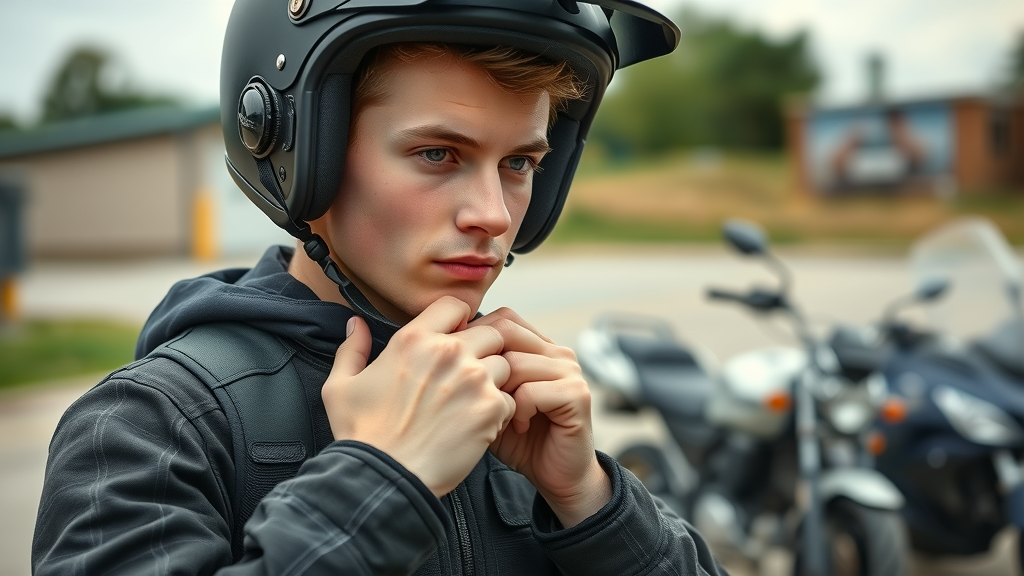
motorcyclist preparing helmet and gear before first class at training site, motorcycle in background
Proper preparation before your motorcycle rider training maximizes learning and ensures a safe experience.

Common Mistakes Riders Make Without Motorcycle Rider Training

  1. Improper braking technique: Untrained riders are more likely to lock up wheels or underutilize both brakes, drastically reducing stopping power and control.
  2. Poor cornering skills: Many motorcycle accidents are caused by misjudging speed and entry into turns; trained riders effortlessly apply correct body positioning and lane choices.
  3. Lack of hazard awareness: Without structured instruction, riders often miss subtle cues like roadway debris, aggressive car drivers, or changing traction conditions.
  4. Unfamiliarity with motorcycle safety regulations: Skipping training often means not knowing the legal requirements for safe operation in your state, including protective gear laws or traffic signaling rules.
  5. Skipping regular practice after completing a class: Even after graduation, some riders neglect continuous skill refreshers, leading to rusted technique and diminished confidence.

Success Stories: Transformations After Completing Motorcycle Rider Training

Thousands of motorcycle riders credit formal training with helping them conquer nerves, refine riding skills, and transform everyday commutes or scenic excursions into moments of total control and enjoyment. In particular, many say that learning in a supportive, feedback-driven environment gave them the assurance needed to ride city streets and winding country roads with equal ease.

"After taking a basic rider course at a certified riding academy, I gained the confidence to handle city traffic and rural highways safely." – Recent Graduate
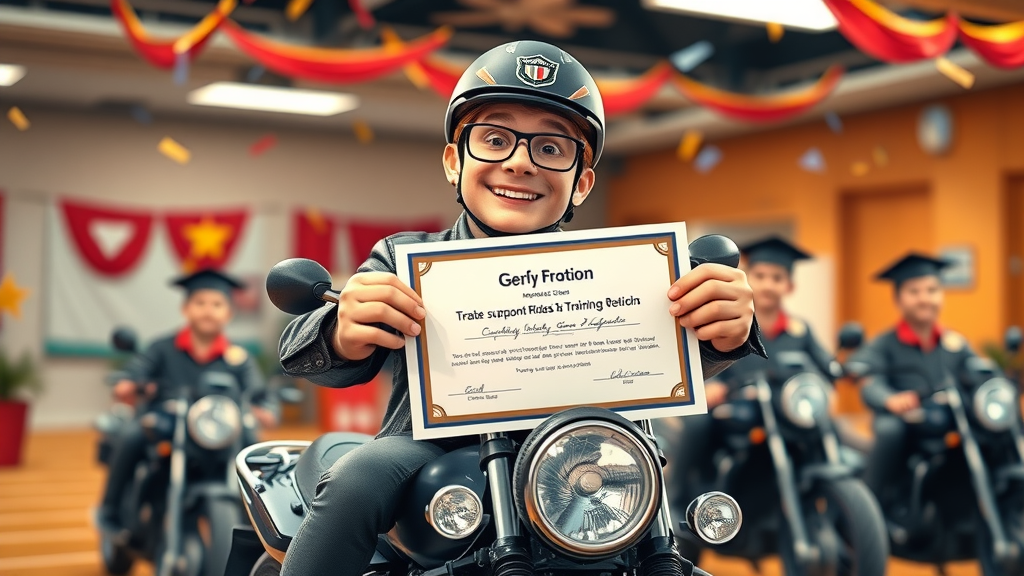
proud motorcycle rider holding certificate after graduation, celebratory academy setting with other graduates, 2D Cartoon style
Completion of motorcycle rider training marks the start of a safer, more confident journey on two wheels.

How Much is a Motorcycle Course in NJ?

If you're considering starting your journey in the Garden State, motorcycle rider training programs in New Jersey typically cost between $325 and $425 , depending on the type of course, training provider, and whether you’re enrolling in a basic rider or advanced class. Costs often include the use of a training motorcycle, safety gear, classroom instruction, and on-range practice, but may exclude optional insurance endorsements, additional test fees, or advanced skills modules. Some programs offer financing options, and prices are always subject to change—so check with your chosen riding academy for the most up-to-date incentives.

What is the Best Way to Learn to Ride a Motorcycle?

Leading motorcycle safety experts and certified instructors agree: the most effective way to master riding is through a Certified Basic Rider Course at a reputable motorcycle rider training facility. These structured motorcycle classes are designed to guide beginners and advanced riders alike through step-by-step skill progression, immediate feedback, and real-world applications. Practicing with expert guidance ensures you internalize safety-first habits, and exposes you to advanced riding techniques that take years to develop on your own. Supplement formal classes with regular practice, studying local regulations, and seeking mentorship from seasoned motorcycle riders for the safest, most comprehensive learning experience.

How Much Does a Basic Rider Course Cost?

Nationally, the price of a Basic Rider Course ranges from $200 to $500 . Factors influencing cost include geographic location, equipment availability, student-teacher ratios, and included amenities. Financial assistance may be available through community scholarship programs or incentives at participating dealers offering promotional discounts and package deals for early enrollment. It’s always a good idea to ask about special offers, financing options, and hidden fees (like test retakes or gear rental), and remember—dealer participation may vary, and prices are subject to change based on demand and season.

How Long Does It Take to Learn to Ride a Motorcycle?

Most basic motorcycle rider training courses run between 2 and 5 days , often scheduled over a single weekend or in evening segments to accommodate busy students. Upon successful completion and passing the required tests, you may be eligible for immediate motorcycle license qualification, often with a skills test waiver at your DMV. Mastering more advanced skills or preparing for a performance-oriented riding class may require additional weeks of practice. Ultimately, individual readiness depends on factors like previous riding or driving experience level, comfort with two-wheeled vehicles, and commitment to continuous skill refreshers post-certification.

The Ultimate Motorcycle Rider Training FAQ

  • Do I need previous riding experience to enroll in a motorcycle class? Most basic rider courses require no prior motorcycle experience and are designed to teach complete beginners. Some advanced classes may require you to demonstrate basic skills or hold a valid motorcycle license.
  • What should I bring to my first day of motorcycle rider training? Standard requirements include a DOT-approved helmet, long-sleeved shirt or jacket, long pants, over-the-ankle boots, eye protection, and gloves. Ask your training provider in advance about equipment rentals or required documents, such as a learner’s permit or proof of age.
  • How does training differ for a standard vs. advanced motorcycle license? Standard motorcycle license courses focus on foundational skills and safety. Advanced licensing classes address high-speed riding, defensive maneuvers, and specialized techniques for experienced motorcycle riders seeking to master complex environments or performance motorcycles.
  • Can motorcycle rider training courses help with insurance discounts? Yes! Many insurers offer significant discounts to policyholders who successfully complete an approved motorcycle safety course. Check with your provider for details, as available incentives and eligibility may vary depending on region and training provider.

Your Path to Confident, Safe Riding Starts With Motorcycle Rider Training

You’re just one step away from maximizing your motorcycle safety and road confidence. Enroll in a top-rated motorcycle rider training course today and empower your riding journey.

motivated new rider on training site, ready to ride off, scenic sunrise and open road, cool blue and orange hues, golden hour
Embark on your journey toward confident, safe motorcycling—sign up for certified rider training today!

This section is coming soon. Stay tuned for a detailed walkthrough video showcasing real training scenarios, from classroom to the riding range!

Watch for exclusive professional insights, expert do's and don'ts, and on-the-road footage you can't afford to miss!

The Safe Ride Series

89 Views

0 Comments

Write A Comment

*
*
Please complete the captcha to submit your comment.
Related Posts All Posts
10.16.2026

Essential Safety Tips for Motorcyclists and Drivers This Autumn

Update Why Autumn Motorcycle Safety Requires Extra Care As autumn graces us with its cooler temperatures and vibrant foliage, it tempts many motorcyclists onto the road. However, this beautiful season also poses unique challenges requiring heightened vigilance from both riders and drivers. Changing Conditions: Preparing for the Ride Motorcyclists should conduct thorough pre-ride inspections, including checking tire pressure which can drop with falling temperatures. The Motorcycle Safety Foundation's T-CLOCS checklist can help ensure your motorcycle is in perfect condition for the changing riding conditions. Dressing in layers is also essential, as temperatures can fluctuate dramatically, particularly after sundown. Road Hazards: Leaves and Wildlife Wet leaves and debris can create slippery conditions on roads. Riders should approach these areas with caution, and alertness for wildlife is paramount—deer are particularly active during dusk and dawn, making those times critical to remain vigilant. Motorcyclists are reminded to maintain situational awareness to navigate these seasonal hazards safely. Drivers: Keeping an Eye Out for Motorcycles For drivers, the responsibility is equally significant. Motorcycles can be hard to spot, especially in dimmer light during shorter days. Maintaining a safe distance from motorcycles, checking mirrors diligently, and remaining distraction-free are best practices to ensure all road users stay safe. The Importance of Education and Awareness Both motorcyclists and drivers can benefit from ongoing education. Taking refresher courses for motorcyclists or simply reviewing safety tips can be invaluable. Moreover, AAA's recent advice underscores the importance of awareness for all road users as they share the road amidst the changing autum conditions. As we embrace autumn, let’s make safety a priority on our rides. For additional resources and safety tips, consider visiting [Motorcycle Safety Foundation](https://msf-usa.org). Together, we can ensure everyone enjoys the beauty of autumn riding safely.

10.16.2026

Autumn Riding: Essential Safety Tips for Motorcyclists and Drivers

Update Autumn Riding: A Season of Beauty and Caution As the days grow shorter and the leaves change colors, autumn presents a picturesque backdrop for motorcycle enthusiasts. This beautiful season invites riders to explore winding roads, but it also carries a unique set of challenges that require heightened awareness. The Motorcycle Safety Foundation and AAA Northeast emphasize the importance of taking precautions during this period to ensure the safety of both motorcyclists and drivers. Spotting Hazardous Conditions With cooler temperatures and the risk of wet leaves creating slippery surfaces, both riders and drivers must adapt to the changing environment. Reports from the National Highway Traffic Safety Administration reveal that over 6,200 motorcyclists were killed in 2024 alone, making up 16% of traffic fatalities. These statistics are a stark reminder that the vulnerability of motorcyclists increases, particularly during transitional seasons like autumn. To address these risks, riders are advised to utilize a thorough search strategy, actively scanning their surroundings to identify potential hazards early on. Staying Visible and Alert Visibility is a critical concern on the roads during this season. Due to the shorter daylight hours, motorcycle riders can be more challenging to detect, especially in crowded or complex traffic conditions. "Drivers should consciously look for motorcycles and provide ample space," encourages Jillian Young from AAA Northeast. Clear communication and adherence to traffic laws can significantly reduce the chances of accidents. Motorcyclists are urged to wear reflective gear and activate their headlights to enhance visibility, fostering a safer environment for all. Future Trends in Motorcycle Safety As we move forward, innovative technologies such as advanced rider assistance systems (ARAS) may play an essential role in improving motorcycle safety. These technologies can provide alerts on obstacles and changing road conditions, allowing riders to respond quickly. Engaging in safety training and embracing these advancements can empower motorcyclists to navigate autumn roads with confidence, making pleasurable rides a safe reality. Conclusion: Embrace Safety This Autumn As we enjoy the beauty of autumn, it's crucial to remain vigilant on the roads. By adjusting to seasonal changes, both motorcyclists and drivers can contribute to a safer travel environment. For more information on safety tips or educational resources, check out MSF-USA.org and AAA.com to deepen your understanding and foster an unyielding commitment to safe riding practices.

10.15.2026

Prepare for Autumn: Crucial Safety Tips for Motorcyclists and Drivers

Update Autumn: A Beautiful Yet Cautious Riding Season As autumn unfolds in vibrant hues, many riders feel the unmistakable call of the open road. However, while the allure is strong, the change in season brings unique challenges that both motorcyclists and car drivers must navigate. Cooler temperatures, shortened daylight hours, and an increase in wildlife activity are just a few elements that necessitate heightened awareness for everyone on the road. Essential Tips for Motorcycle Safety in Fall Preparation is key for motorcyclists this season. Regular maintenance checks, utilizing MSF’s T-CLOCS Pre-Ride Inspection Checklist, can prevent mechanical failures on the road. Additionally, keeping tire pressure in check is critical as lower temperatures can lead to deflated tires, affecting handling and safety. Wearing layers or investing in thermal gear can significantly enhance comfort and focus while riding, as temperatures can fluctuate dramatically during autumn rides. Visibility becomes vital too; reflective gear and auxiliary lights can make a difference in reduced light conditions. Riders should also remain vigilant for road hazards such as wet leaves and wildlife, particularly near dusk and dawn when animal activity escalates. Drivers: Keeping an Eye Out for Motorcyclists With motorcycles becoming increasingly hard to spot against a backdrop of colors and changing light, drivers must adopt a proactive approach. This includes giving motorcyclists ample space on the road and being diligent about checking mirrors and blind spots during lane changes. Remember, the turn signals of motorcycles can be deceiving; it’s best to wait for confirmation that the rider intends to turn before proceeding. Moreover, the importance of maintaining focus while driving cannot be overstated. Distracted driving remains a pervasive problem that can have grave consequences, especially in the fall when both types of vehicles share the road more frequently. Prioritizing a careful scan for motorcycles, particularly at intersections and when exiting driveways, is crucial for preventing accidents. Conclusion: The Shared Responsibility of Road Safety As we embrace the beauty of autumn, both motorcyclists and drivers must commit to safety on the roads. By remaining aware and equipped with the right knowledge and precautions, each rider and driver can contribute to making this season safe and enjoyable for all. For further resources and training, visit the Motorcycle Safety Foundation and AAA Northeast.

Rider Safety News

Rider Safety News centers on motorcycle crash prevention, legal rights education, injury mitigation techniques, rally news, and expert insights tailored for motorcycle riders.

ADVERTISE
Rider Safe News
SeamanDan.com
SeamanDan Media Press Pass

ABOUT US

SeamanDan LLC is a modern news media agency creating niche digital channels that inform and engage. We specialize in launching focused platforms that deliver impactful content.  Our current brands include:
Parallel Health World
AI Insights Hub
MLM News AI
Rider Safe News
Meme Crypto News
Rugged Trails Network
Recreation Wave

Outdoor Odyssey News
Eco-Innovation Hub
Metal Green Innovators
Autism Foundation News

At SeamanDan LLC, we don't just report the news, we create platforms that build communities, foster trust, and drive forward-thinking conversations.  Can we build a channel for you?

© 2026 SeamanDan LLC All Rights Reserved. 810 N Main St #187, Spearfish, SD 57783 . Contact Us . Terms of Service . Privacy Policy

eyJjb21wYW55IjoiU2VhbWFuRGFuIExMQyIsImFkZHJlc3MiOiI4MTAgTiBNYWluIFN0ICMxODciLCJjaXR5IjoiU3BlYXJmaXNoIiwic3RhdGUiOiJTRCIsInppcCI6IjU3NzgzIiwiZW1haWwiOiJzZWFtYW5kYW5Ac2VhbWFuZGFuLmNvbSIsInRvcyI6IlBIQStQSE4wY205dVp6NDhaVzArVjJobGJpQjViM1VnYzJsbmJpMXBiaUIzYVhSb0lIVnpMQ0I1YjNVZ1lYSmxJR2RwZG1sdVp5WnVZbk53T3lCNWIzVnlJSEJsY20xcGMzTnBiMjRnWVc1a0lHTnZibk5sYm5RZ2RHOGdjMlZ1WkNCNWIzVWdaVzFoYVd3Z1lXNWtMMjl5SUZOTlV5QjBaWGgwSUcxbGMzTmhaMlZ6TGlCQ2VTQmphR1ZqYTJsdVp5QjBhR1VnVkdWeWJYTWdZVzVrSUVOdmJtUnBkR2x2Ym5NZ1ltOTRJR0Z1WkNCaWVTQnphV2R1YVc1bklHbHVJSGx2ZFNCaGRYUnZiV0YwYVdOaGJHeDVJR052Ym1acGNtMGdkR2hoZENCNWIzVWdZV05qWlhCMElHRnNiQ0IwWlhKdGN5QnBiaUIwYUdseklHRm5jbVZsYldWdWRDNDhMMlZ0UGp3dmMzUnliMjVuUGp3dmNENEtDanh3UGp4aElHaHlaV1k5SW1oMGRIQnpPaTh2Y21sa1pYSnpZV1psYm1WM2N5NWpiMjBpSUhSaGNtZGxkRDBpWDNObGJHWWlQbWgwZEhCek9pOHZjbWxrWlhKellXWmxibVYzY3k1amIyMDhMMkUrUEM5d1Bnb0tQSEErSm01aWMzQTdQQzl3UGdvS1BIQStQSE4wY205dVp6NVRSVkpXU1VORlBDOXpkSEp2Ym1jK1BDOXdQZ29LUEhBK1YyVWdjSEp2ZG1sa1pTQmhJSE5sY25acFkyVWdkR2hoZENCamRYSnlaVzUwYkhrZ1lXeHNiM2R6SUhsdmRTQjBieUJ5WldObGFYWmxJSEpsY1hWbGMzUnpJR1p2Y2lCbVpXVmtZbUZqYXl3Z1kyOXRjR0Z1ZVNCcGJtWnZjbTFoZEdsdmJpd2djSEp2Ylc5MGFXOXVZV3dnYVc1bWIzSnRZWFJwYjI0c0lHTnZiWEJoYm5rZ1lXeGxjblJ6TENCamIzVndiMjV6TENCa2FYTmpiM1Z1ZEhNZ1lXNWtJRzkwYUdWeUlHNXZkR2xtYVdOaGRHbHZibk1nZEc4Z2VXOTFjaUJsYldGcGJDQmhaR1J5WlhOeklHRnVaQzl2Y2lCalpXeHNkV3hoY2lCd2FHOXVaU0J2Y2lCa1pYWnBZMlV1SUZsdmRTQjFibVJsY25OMFlXNWtJR0Z1WkNCaFozSmxaU0IwYUdGMElIUm9aU0JUWlhKMmFXTmxJR2x6SUhCeWIzWnBaR1ZrSUNaeGRXOTBPMEZUTFVsVEpuRjFiM1E3SUdGdVpDQjBhR0YwSUhkbElHRnpjM1Z0WlNCdWJ5QnlaWE53YjI1emFXSnBiR2wwZVNCbWIzSWdkR2hsSUhScGJXVnNhVzVsYzNNc0lHUmxiR1YwYVc5dUxDQnRhWE10WkdWc2FYWmxjbmtnYjNJZ1ptRnBiSFZ5WlNCMGJ5QnpkRzl5WlNCaGJua2dkWE5sY2lCamIyMXRkVzVwWTJGMGFXOXVjeUJ2Y2lCd1pYSnpiMjVoYkdsNllYUnBiMjRnYzJWMGRHbHVaM011UEM5d1Bnb0tQSEErV1c5MUlHRnlaU0J5WlhOd2IyNXphV0pzWlNCbWIzSWdiMkowWVdsdWFXNW5JR0ZqWTJWemN5QjBieUIwYUdVZ1UyVnlkbWxqWlNCaGJtUWdkR2hoZENCaFkyTmxjM01nYldGNUlHbHVkbTlzZG1VZ2RHaHBjbVFnY0dGeWRIa2dabVZsY3lBb2MzVmphQ0JoY3lCVFRWTWdkR1Y0ZENCdFpYTnpZV2RsY3l3Z1NXNTBaWEp1WlhRZ2MyVnlkbWxqWlNCd2NtOTJhV1JsY2lCdmNpQmpaV3hzZFd4aGNpQmhhWEowYVcxbElHTm9ZWEpuWlhNcExpQlpiM1VnWVhKbElISmxjM0J2Ym5OcFlteGxJR1p2Y2lCMGFHOXpaU0JtWldWekxDQnBibU5zZFdScGJtY2dkR2h2YzJVZ1ptVmxjeUJoYzNOdlkybGhkR1ZrSUhkcGRHZ2dkR2hsSUdScGMzQnNZWGtnYjNJZ1pHVnNhWFpsY25rZ2IyWWdaV0ZqYUNCVFRWTWdkR1Y0ZENCdFpYTnpZV2RsSUhObGJuUWdkRzhnZVc5MUlHSjVJSFZ6TGlCSmJpQmhaR1JwZEdsdmJpd2dlVzkxSUcxMWMzUWdjSEp2ZG1sa1pTQmhibVFnWVhKbElISmxjM0J2Ym5OcFlteGxJR1p2Y2lCaGJHd2daWEYxYVhCdFpXNTBJRzVsWTJWemMyRnllU0IwYnlCaFkyTmxjM01nZEdobElGTmxjblpwWTJVZ1lXNWtJSEpsWTJWcGRtVWdkR2hsSUZOTlV5QjBaWGgwSUcxbGMzTmhaMlZ6TGlCWFpTQmtieUJ1YjNRZ1kyaGhjbWRsSUdGdWVTQm1aV1Z6SUdadmNpQmtaV3hwZG1WeWVTQnZaaUJsYldGcGJDQnZjaUJUVFZNdUlGUm9hWE1nYVhNZ1lTQm1jbVZsSUhObGNuWnBZMlVnY0hKdmRtbGtaV1FnWW5rZ2RYTXVJRWh2ZDJWMlpYSXNJSEJzWldGelpTQmphR1ZqYXlCM2FYUm9JSGx2ZFhJZ2FXNTBaWEp1WlhRZ2MyVnlkbWxqWlNCd2NtOTJhV1JsY2lCaGJtUWdZMlZzYkhWc1lYSWdZMkZ5Y21sbGNpQm1iM0lnWVc1NUlHTm9ZWEpuWlhNZ2RHaGhkQ0J0WVhrZ2FXNWpkWElnWVhNZ1lTQnlaWE4xYkhRZ1puSnZiU0J5WldObGFYWnBibWNnWlcxaGFXd2dZVzVrSUZOTlV5QjBaWGgwSUcxbGMzTmhaMlZ6SUhSb1lYUWdkMlVnWkdWc2FYWmxjaUIxY0c5dUlIbHZkWElnYjNCMExXbHVJR0Z1WkNCeVpXZHBjM1J5WVhScGIyNGdkMmwwYUNCdmRYSWdaVzFoYVd3Z1lXNWtJRk5OVXlCelpYSjJhV05sY3k0Z1dXOTFJR05oYmlCallXNWpaV3dnWVhRZ1lXNTVJSFJwYldVdUlFcDFjM1FnZEdWNGRDQW1jWFZ2ZER0VFZFOVFKbkYxYjNRN0lIUnZKbTVpYzNBN1BHaHBaMmhzYVdkb2RDQmpiR0Z6Y3owaVkyOXRjR0Z1ZVZOTlUxQm9iMjVsVlhCa1lYUmxJajV1ZFd4c1BDOW9hV2RvYkdsbmFIUStMaUJCWm5SbGNpQjViM1VnYzJWdVpDQjBhR1VnVTAxVElHMWxjM05oWjJVZ0puRjFiM1E3VTFSUFVDWnhkVzkwT3lCMGJ5QjFjeXdnZDJVZ2QybHNiQ0J6Wlc1a0lIbHZkU0JoYmlCVFRWTWdiV1Z6YzJGblpTQjBieUJqYjI1bWFYSnRJSFJvWVhRZ2VXOTFJR2hoZG1VZ1ltVmxiaUIxYm5OMVluTmpjbWxpWldRdUlFRm1kR1Z5SUhSb2FYTXNJSGx2ZFNCM2FXeHNJRzV2SUd4dmJtZGxjaUJ5WldObGFYWmxJRk5OVXlCdFpYTnpZV2RsY3lCbWNtOXRJSFZ6TGp3dmNENEtDanh3UGp4emRISnZibWMrV1U5VlVpQlNSVWRKVTFSU1FWUkpUMDRnVDBKTVNVZEJWRWxQVGxNOEwzTjBjbTl1Wno0OEwzQStDZ284Y0Q1SmJpQmpiMjV6YVdSbGNtRjBhVzl1SUc5bUlIbHZkWElnZFhObElHOW1JSFJvWlNCVFpYSjJhV05sTENCNWIzVWdZV2R5WldVZ2RHODZQQzl3UGdvS1BHOXNQZ29KUEd4cFBuQnliM1pwWkdVZ2RISjFaU3dnWVdOamRYSmhkR1VzSUdOMWNuSmxiblFnWVc1a0lHTnZiWEJzWlhSbElHbHVabTl5YldGMGFXOXVJR0ZpYjNWMElIbHZkWEp6Wld4bUlHRnpJSEJ5YjIxd2RHVmtJR0o1SUhSb1pTQlRaWEoyYVdObEppTXpPVHR6SUhKbFoybHpkSEpoZEdsdmJpQm1iM0p0SUNoemRXTm9JR2x1Wm05eWJXRjBhVzl1SUdKbGFXNW5JSFJvWlNBbWNYVnZkRHRTWldkcGMzUnlZWFJwYjI0Z1JHRjBZU1p4ZFc5ME95a2dZVzVrUEM5c2FUNEtDVHhzYVQ1dFlXbHVkR0ZwYmlCaGJtUWdjSEp2YlhCMGJIa2dkWEJrWVhSbElIUm9aU0JTWldkcGMzUnlZWFJwYjI0Z1JHRjBZU0IwYnlCclpXVndJR2wwSUhSeWRXVXNJR0ZqWTNWeVlYUmxMQ0JqZFhKeVpXNTBJR0Z1WkNCamIyMXdiR1YwWlM0Z1NXWWdlVzkxSUhCeWIzWnBaR1VnWVc1NUlHbHVabTl5YldGMGFXOXVJSFJvWVhRZ2FYTWdkVzUwY25WbExDQnBibUZqWTNWeVlYUmxMQ0J1YjNRZ1kzVnljbVZ1ZENCdmNpQnBibU52YlhCc1pYUmxMQ0J2Y2lCM1pTQm9ZWFpsSUhKbFlYTnZibUZpYkdVZ1ozSnZkVzVrY3lCMGJ5QnpkWE53WldOMElIUm9ZWFFnYzNWamFDQnBibVp2Y20xaGRHbHZiaUJwY3lCMWJuUnlkV1VzSUdsdVlXTmpkWEpoZEdVc0lHNXZkQ0JqZFhKeVpXNTBJRzl5SUdsdVkyOXRjR3hsZEdVc0lIZGxJR2hoZG1VZ2RHaGxJSEpwWjJoMElIUnZJSE4xYzNCbGJtUWdiM0lnUEhOMGNtOXVaejQ4YzNCaGJpQnpkSGxzWlQwaVkyOXNiM0k2STBaR01EQXdNRHNpUG5SbGNtMXBibUYwWlNCNWIzVnlJR0ZqWTI5MWJuUXZjSEp2Wm1sc1pTQmhibVFnY21WbWRYTmxJR0Z1ZVNCaGJtUWdZV3hzSUdOMWNuSmxiblFnYjNJZ1puVjBkWEpsSUhWelpTQnZaaUIwYUdVZ1UyVnlkbWxqWlNBb2IzSWdZVzU1SUhCdmNuUnBiMjRnZEdobGNtVnZaaWt1UEM5emNHRnVQand2YzNSeWIyNW5Qand2YkdrK0Nqd3ZiMncrQ2dvOGNENG1ibUp6Y0RzOEwzQStDanhvYVdkb2JHbG5hSFFnWTJ4aGMzTTlJbU52YlhCaGJubE9ZVzFsVlhCa1lYUmxJajVUWldGdFlXNUVZVzRnVEV4RFBDOW9hV2RvYkdsbmFIUStQR0p5SUM4K0NqeG9hV2RvYkdsbmFIUWdZMnhoYzNNOUltTnZiWEJoYm5sQlpHUnlaWE56VlhCa1lYUmxJajQ0TVRBZ1RpQk5ZV2x1SUZOMElDTXhPRGNzSUZOd1pXRnlabWx6YUN3Z1UwUWdOVGMzT0RNOEwyaHBaMmhzYVdkb2RENDhZbklnTHo0S1BHaHBaMmhzYVdkb2RDQmpiR0Z6Y3owaVkyOXRjR0Z1ZVZCb2IyNWxWWEJrWVhSbElqNHJNU0EyTnpndE5EYzRMVFEyT1RBOEwyaHBaMmhzYVdkb2RENDhZbklnTHo0S1BHaHBaMmhzYVdkb2RDQmpiR0Z6Y3owaVkyOXRjR0Z1ZVVWdFlXbHNWWEJrWVhSbElqNXpaV0Z0WVc1a1lXNUFjMlZoYldGdVpHRnVMbU52YlR3dmFHbG5hR3hwWjJoMFBnPT0iLCJwcml2YWN5IjoiUEhBK1BITjBjbTl1Wno1UVVrbFdRVU5aUEM5emRISnZibWMrUEM5d1Bnb0tQSEErUEhOMGNtOXVaejVVYUdVZ2FXNW1iM0p0WVhScGIyNGdjSEp2ZG1sa1pXUWdaSFZ5YVc1bklIUm9hWE1nY21WbmFYTjBjbUYwYVc5dUlHbHpJR3RsY0hRZ2NISnBkbUYwWlNCaGJtUWdZMjl1Wm1sa1pXNTBhV0ZzTENCaGJtUWdkMmxzYkNCdVpYWmxjaUJpWlNCa2FYTjBjbWxpZFhSbFpDd2dZMjl3YVdWa0xDQnpiMnhrTENCMGNtRmtaV1FnYjNJZ2NHOXpkR1ZrSUdsdUlHRnVlU0IzWVhrc0lITm9ZWEJsSUc5eUlHWnZjbTB1SUZSb2FYTWdhWE1nYjNWeUlHZDFZWEpoYm5SbFpTNDhMM04wY205dVp6NDhMM0ErQ2dvOGNENDhjM1J5YjI1blBrbE9SRVZOVGtsVVdUd3ZjM1J5YjI1blBqd3ZjRDRLQ2p4d1BqeGxiVDVaYjNVZ1lXZHlaV1VnZEc4Z2FXNWtaVzF1YVdaNUlHRnVaQ0JvYjJ4a0lIVnpMQ0JoYm1RZ2FYUnpJSE4xWW5OcFpHbGhjbWxsY3l3Z1lXWm1hV3hwWVhSbGN5d2diMlptYVdObGNuTXNJR0ZuWlc1MGN5d2dZMjh0WW5KaGJtUmxjbk1nYjNJZ2IzUm9aWElnY0dGeWRHNWxjbk1zSUdGdVpDQmxiWEJzYjNsbFpYTXNJR2hoY20xc1pYTnpJR1p5YjIwZ1lXNTVJR05zWVdsdElHOXlJR1JsYldGdVpDd2dhVzVqYkhWa2FXNW5JSEpsWVhOdmJtRmliR1VnWVhSMGIzSnVaWGx6SmlNek9Uc2dabVZsY3l3Z2JXRmtaU0JpZVNCaGJua2dkR2hwY21RZ2NHRnlkSGtnWkhWbElIUnZJRzl5SUdGeWFYTnBibWNnYjNWMElHOW1JRU52Ym5SbGJuUWdlVzkxSUhKbFkyVnBkbVVzSUhOMVltMXBkQ3dnY21Wd2JIa3NJSEJ2YzNRc0lIUnlZVzV6YldsMElHOXlJRzFoYTJVZ1lYWmhhV3hoWW14bElIUm9jbTkxWjJnZ2RHaGxJRk5sY25acFkyVXNJSGx2ZFhJZ2RYTmxJRzltSUhSb1pTQlRaWEoyYVdObExDQjViM1Z5SUdOdmJtNWxZM1JwYjI0Z2RHOGdkR2hsSUZObGNuWnBZMlVzSUhsdmRYSWdkbWx2YkdGMGFXOXVJRzltSUhSb1pTQlVUMU1zSUc5eUlIbHZkWElnZG1sdmJHRjBhVzl1SUc5bUlHRnVlU0J5YVdkb2RITWdiMllnWVc1dmRHaGxjaTQ4TDJWdFBqd3ZjRDRLQ2p4d1BqeHpkSEp2Ym1jK1JFbFRRMHhCU1UxRlVpQlBSaUJYUVZKU1FVNVVTVVZUUEM5emRISnZibWMrUEM5d1Bnb0tQSEErUEhOMGNtOXVaejVaVDFVZ1JWaFFVa1ZUVTB4WklGVk9SRVZTVTFSQlRrUWdRVTVFSUVGSFVrVkZJRlJJUVZRNlBDOXpkSEp2Ym1jK1BDOXdQZ29LUEc5c1Bnb0pQR3hwUGxsUFZWSWdWVk5GSUU5R0lGUklSU0JUUlZKV1NVTkZJRWxUSUVGVUlGbFBWVklnVTA5TVJTQlNTVk5MTGlCVVNFVWdVMFZTVmtsRFJTQkpVeUJRVWs5V1NVUkZSQ0JQVGlCQlRpQW1jWFZ2ZER0QlV5QkpVeVp4ZFc5ME95QkJUa1FnSm5GMWIzUTdRVk1nUVZaQlNVeEJRa3hGSm5GMWIzUTdJRUpCVTBsVExpQXNMaUJCVGtRZ1ZWTXNJRWxVSmlNek9UdFRJRU5WVTFSUFRVVlNVeXdnUlZoUVVrVlRVMHhaSUVSSlUwTk1RVWxOVXlCQlRFd2dWMEZTVWtGT1ZFbEZVeUJQUmlCQlRsa2dTMGxPUkN3Z1YwaEZWRWhGVWlCRldGQlNSVk5USUU5U0lFbE5VRXhKUlVRc0lFbE9RMHhWUkVsT1J5d2dRbFZVSUU1UFZDQk1TVTFKVkVWRUlGUlBJRlJJUlNCSlRWQk1TVVZFSUZkQlVsSkJUbFJKUlZNZ1QwWWdUVVZTUTBoQlRsUkJRa2xNU1ZSWkxDQkdTVlJPUlZOVElFWlBVaUJCSUZCQlVsUkpRMVZNUVZJZ1VGVlNVRTlUUlNCQlRrUWdUazlPTFVsT1JsSkpUa2RGVFVWT1ZDNDhMMnhwUGdvSlBHeHBQazFCUzBWVElFNVBJRmRCVWxKQlRsUlpJRlJJUVZRZ0tHa3BJRlJJUlNCVFJWSldTVU5GSUZkSlRFd2dUVVZGVkNCWlQxVlNJRkpGVVZWSlVrVk5SVTVVVXl3Z0tHbHBLU0JVU0VVZ1UwVlNWa2xEUlNCWFNVeE1JRUpGSUZWT1NVNVVSVkpTVlZCVVJVUXNJRlJKVFVWTVdTd2dVMFZEVlZKRkxDQlBVaUJGVWxKUFVpMUdVa1ZGTENBb2FXbHBLU0JVU0VVZ1VrVlRWVXhVVXlCVVNFRlVJRTFCV1NCQ1JTQlBRbFJCU1U1RlJDQkdVazlOSUZSSVJTQlZVMFVnVDBZZ1ZFaEZJRk5GVWxaSlEwVWdWMGxNVENCQ1JTQkJRME5WVWtGVVJTQlBVaUJTUlV4SlFVSk1SU3dnUVU1RUlDaHBkaWtnUVU1WklFVlNVazlTVXlCSlRpQlVTRVVnVTA5R1ZGZEJVa1VnVjBsTVRDQkNSU0JEVDFKU1JVTlVSVVF1UEM5c2FUNEtDVHhzYVQ1QlRsa2dUVUZVUlZKSlFVd2dSRTlYVGt4UFFVUkZSQ0JQVWlCUFZFaEZVbGRKVTBVZ1QwSlVRVWxPUlVRZ1ZFaFNUMVZIU0NCVVNFVWdWVk5GSUU5R0lGUklSU0JUUlZKV1NVTkZJRWxUSUVSUFRrVWdRVlFnV1U5VlVpQlBWMDRnUkVsVFExSkZWRWxQVGlCQlRrUWdVa2xUU3lCQlRrUWdWRWhCVkNCWlQxVWdWMGxNVENCQ1JTQlRUMHhGVEZrZ1VrVlRVRTlPVTBsQ1RFVWdSazlTSUVGT1dTQkVRVTFCUjBVZ1ZFOGdXVTlWVWlCRFQwMVFWVlJGVWlCVFdWTlVSVTBnVDFJZ1RFOVRVeUJQUmlCRVFWUkJJRlJJUVZRZ1VrVlRWVXhVVXlCR1VrOU5JRlJJUlNCRVQxZE9URTlCUkNCUFJpQkJUbGtnVTFWRFNDQk5RVlJGVWtsQlRDNDhMMnhwUGdvSlBHeHBQazVQSUVGRVZrbERSU0JQVWlCSlRrWlBVazFCVkVsUFRpd2dWMGhGVkVoRlVpQlBVa0ZNSUU5U0lGZFNTVlJVUlU0c0lFOUNWRUZKVGtWRUlFSlpJRmxQVlNCR1VrOU5JRTlTSUZSSVVrOVZSMGdnVDFJZ1JsSlBUU0JVU0VVZ1UwVlNWa2xEUlNCVFNFRk1UQ0JEVWtWQlZFVWdRVTVaSUZkQlVsSkJUbFJaSUU1UFZDQkZXRkJTUlZOVFRGa2dVMVJCVkVWRUlFbE9JRlJJUlNCVVQxTXVQQzlzYVQ0S1BDOXZiRDRLQ2p4d1BqeHpkSEp2Ym1jK1RFbE5TVlJCVkVsUFRpQlBSaUJNU1VGQ1NVeEpWRms4TDNOMGNtOXVaejQ4TDNBK0NnbzhjRDVaVDFVZ1JWaFFVa1ZUVTB4WklGVk9SRVZTVTFSQlRrUWdRVTVFSUVGSFVrVkZJRlJJUVZRZ1FVNUVJRk5JUVV4TUlFNVBWQ0JDUlNCTVNVRkNURVVnUms5U0lFRk9XU0JFU1ZKRlExUXNJRWxPUkVsU1JVTlVMQ0JKVGtOSlJFVk9WRUZNTENCVFVFVkRTVUZNTENCRFQwNVRSVkZWUlU1VVNVRk1JRTlTSUVWWVJVMVFURUZTV1NCRVFVMUJSMFZUTENCSlRrTk1WVVJKVGtjZ1FsVlVJRTVQVkNCTVNVMUpWRVZFSUZSUExDQkVRVTFCUjBWVElFWlBVaUJNVDFOVElFOUdJRkJTVDBaSlZGTXNJRWRQVDBSWFNVeE1MQ0JWVTBVc0lFUkJWRUVnVDFJZ1QxUklSVklnU1U1VVFVNUhTVUpNUlNCTVQxTlRSVk1nS0VWV1JVNGdTVVlnU0VGVElFSkZSVTRnUVVSV1NWTkZSQ0JQUmlCVVNFVWdVRTlUVTBsQ1NVeEpWRmtnVDBZZ1UxVkRTQ0JFUVUxQlIwVlRLU3dnVWtWVFZVeFVTVTVISUVaU1QwMDZQQzl3UGdvS1BHOXNQZ29KUEd4cFBsUklSU0JWVTBVZ1QxSWdWRWhGSUVsT1FVSkpURWxVV1NCVVR5QlZVMFVnVkVoRklGTkZVbFpKUTBVN1BDOXNhVDRLQ1R4c2FUNVVTRVVnUTA5VFZDQlBSaUJRVWs5RFZWSkZUVVZPVkNCUFJpQlRWVUpUVkVsVVZWUkZJRWRQVDBSVElFRk9SQ0JUUlZKV1NVTkZVeUJTUlZOVlRGUkpUa2NnUmxKUFRTQkJUbGtnUjA5UFJGTXNJRVJCVkVFc0lFbE9SazlTVFVGVVNVOU9JRTlTSUZORlVsWkpRMFZUSUZCVlVrTklRVk5GUkNCUFVpQlBRbFJCU1U1RlJDQlBVaUJOUlZOVFFVZEZVeUJTUlVORlNWWkZSQ0JQVWlCVVVrRk9VMEZEVkVsUFRsTWdSVTVVUlZKRlJDQkpUbFJQSUZSSVVrOVZSMGdnVDFJZ1JsSlBUU0JVU0VVZ1UwVlNWa2xEUlRzOEwyeHBQZ29KUEd4cFBsVk9RVlZVU0U5U1NWcEZSQ0JCUTBORlUxTWdWRThnVDFJZ1FVeFVSVkpCVkVsUFRpQlBSaUJaVDFWU0lGUlNRVTVUVFVsVFUwbFBUbE1nVDFJZ1JFRlVRVHM4TDJ4cFBnb0pQR3hwUGxOVVFWUkZUVVZPVkZNZ1QxSWdRMDlPUkZWRFZDQlBSaUJCVGxrZ1ZFaEpVa1FnVUVGU1ZGa2dUMDRnVkVoRklGTkZVbFpKUTBVN0lFOVNQQzlzYVQ0S0NUeHNhVDVCVGxrZ1QxUklSVklnVFVGVVZFVlNJRkpGVEVGVVNVNUhJRlJQSUZSSVJTQlRSVkpXU1VORkxqd3ZiR2srQ2p3dmIydytDZ284Y0Q0OGRUNUNlU0J5WldkcGMzUmxjbWx1WnlCaGJtUWdjM1ZpYzJOeWFXSnBibWNnZEc4Z2IzVnlJR1Z0WVdsc0lHRnVaQ0JUVFZNZ2MyVnlkbWxqWlN3Z1lua2diM0IwTFdsdUxDQnZibXhwYm1VZ2NtVm5hWE4wY21GMGFXOXVJRzl5SUdKNUlHWnBiR3hwYm1jZ2IzVjBJR0VnWTJGeVpDd2dKbkYxYjNRN2VXOTFJR0ZuY21WbElIUnZJSFJvWlhObElGUkZVazFUSUU5R0lGTkZVbFpKUTBVbWNYVnZkRHNnWVc1a0lIbHZkU0JoWTJ0dWIzZHNaV1JuWlNCaGJtUWdkVzVrWlhKemRHRnVaQ0IwYUdVZ1lXSnZkbVVnZEdWeWJYTWdiMllnYzJWeWRtbGpaU0J2ZFhSc2FXNWxaQ0JoYm1RZ1pHVjBZV2xzWldRZ1ptOXlJSGx2ZFNCMGIyUmhlUzQ4TDNVK1BDOXdQZ29LUEhBK0ptNWljM0E3UEM5d1BnbzhhR2xuYUd4cFoyaDBJR05zWVhOelBTSmpiMjF3WVc1NVRtRnRaVlZ3WkdGMFpTSStVMlZoYldGdVJHRnVJRXhNUXp3dmFHbG5hR3hwWjJoMFBqeGljaUF2UGdvOGFHbG5hR3hwWjJoMElHTnNZWE56UFNKamIyMXdZVzU1UVdSa2NtVnpjMVZ3WkdGMFpTSStPREV3SUU0Z1RXRnBiaUJUZENBak1UZzNMQ0JUY0dWaGNtWnBjMmdzSUZORUlEVTNOemd6UEM5b2FXZG9iR2xuYUhRK1BHSnlJQzgrQ2p4b2FXZG9iR2xuYUhRZ1kyeGhjM005SW1OdmJYQmhibmxRYUc5dVpWVndaR0YwWlNJK0t6RWdOamM0TFRRM09DMDBOamt3UEM5b2FXZG9iR2xuYUhRK1BHSnlJQzgrQ2p4b2FXZG9iR2xuYUhRZ1kyeGhjM005SW1OdmJYQmhibmxGYldGcGJGVndaR0YwWlNJK2MyVmhiV0Z1WkdGdVFITmxZVzFoYm1SaGJpNWpiMjA4TDJocFoyaHNhV2RvZEQ0PSJ9

Terms of Service

Privacy Policy

Core Modal Title

Sorry, no results found

You Might Find These Articles Interesting

T
Please Check Your Email
We Will Be Following Up Shortly
*
*
*