
Rider Safety News
Rider Safe News
  • Home
  • Categories
  • Featured Business Profiles
  • Moto Rally News & Motorcycle Sweepstakes
July 28.2025
1 Minute Read

Motorcycle Road Safety: Don’t Risk Your Life on Unseen Dangers

Hook: Did you know that more than 70% of motorcycle accidents involve other vehicles ? Every rider faces hidden hazards on the road that could change their life in an instant. Whether you’re new to riding a motorcycle or a seasoned pro, ignoring the core motorcycle road safety principles puts you at greater risk. In this detailed guide, you’ll uncover the most overlooked threats, essential safety tips, and actionable steps to ride safer every time you hit the street or highway. If you value your life and the lives of others, read on to discover how mastering motorcycle safety can make every journey safer—and maybe even save your life.

Did You Know? Over 70% of Motorcycle Accidents Involve Other Vehicles

One of the most critical—and alarming—facts about motorcycle road safety is that over 70% of all documented motorcycle accidents involve another motor vehicle . Many of these incidents happen when drivers fail to notice a motorcyclist, especially at intersections or while changing lanes. As a motorcycle rider, understanding the risks posed by inattentive drivers and unpredictable traffic is key to avoiding potential disaster.

Statistics from the National Motorcycle Safety Foundation and NHTSA reveal that these types of motorcycle crashes often result in severe injury or death. In fact, motorcyclists are nearly 29 times more likely to suffer a fatal crash compared to those in passenger vehicles. This stark reality highlights why proactive motorcycle safety tips and strong awareness of your riding environment must be a top priority for every rider. Realizing that most risks stem from external sources—not just rider error—emphasizes the necessity for extra vigilance and the practice of advanced defensive techniques on every ride.
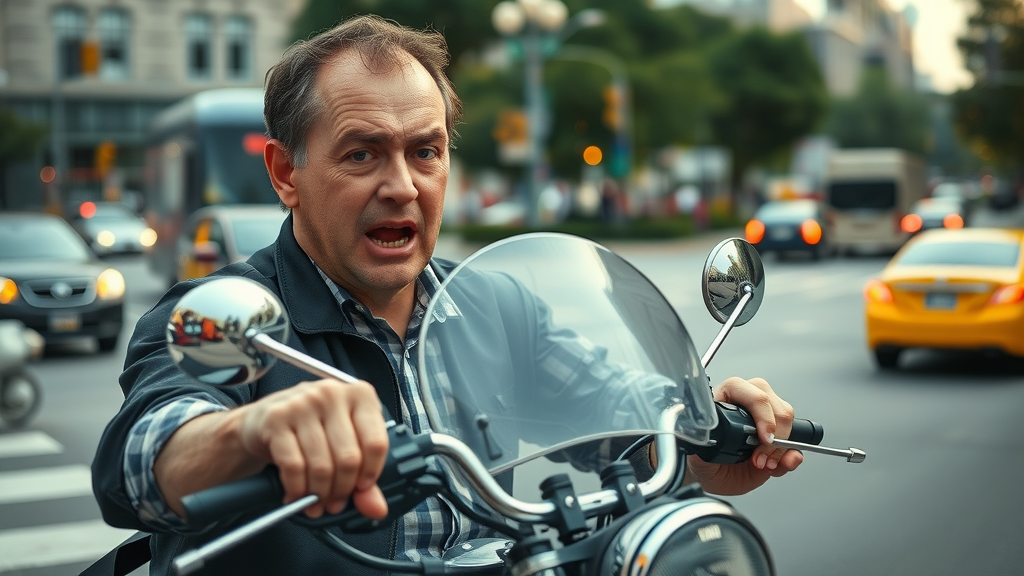
alarming motorcycle accident scene city intersection motorcycle road safety

Motorcycle Road Safety: Essential Concepts for Every Rider

  • Discover the core principles of motorcycle road safety, motorcycle safety, and road safety
  • Learn safety tips and strategies for riding a motorcycle
  • Identify the most common unseen dangers and how to avoid them

At its core, motorcycle road safety is about minimizing risk through education, awareness, and proactive behavior. Every rider, regardless of skill level , needs to adopt habits that go beyond the basics—such as constant mirror checks and maintaining a safe following distance. Practicing safe riding is not just a one-time lesson; it’s a mindset that evolves with each mile ridden, grounded in awareness of both personal capabilities and the traffic safety environment.

Common unseen dangers include blind spots, sudden lane changes by cars, road debris, changing weather, and poorly maintained roads. By continuously honing your defensive riding strategies and staying updated with the latest best practices from rider education authorities like the Motorcycle Safety Foundation , you not only protect yourself but also promote public awareness for safer journeys for all.

Comprehensive Motorcycle Safety Tips for Road Safety Mastery

  1. Review essential motorcycle safety tips
  2. Practice proper riding a motorcycle technique
  3. Increase awareness of your skill level
  4. Anticipate road safety hazards

Implementing comprehensive safety tips goes far beyond wearing a helmet. Motorcycle safety tips include developing situational awareness, maintaining your bike in top condition, and never overestimating your skill level . Riders should continuously review and apply updated road safety strategies such as positioning themselves where they are visible, knowing when to adjust speed, and keeping a safe space cushion from other vehicles.

Every time you’re riding a motorcycle, remember to perform a quick walk-around inspection, check your brakes, lights, and tires, and only ride in conditions that match your experience. For every new riding environment, adapt your style and rely on trusted techniques—like shifting gears smoothly and using both brakes for balanced stops—to stay safe on the road. These motorcycle safety tips, when consistently followed, form a strong safety standard that can reduce your risk of being involved in a motorcycle crash.

Protective Gear: The First Step in Motorcycle Road Safety
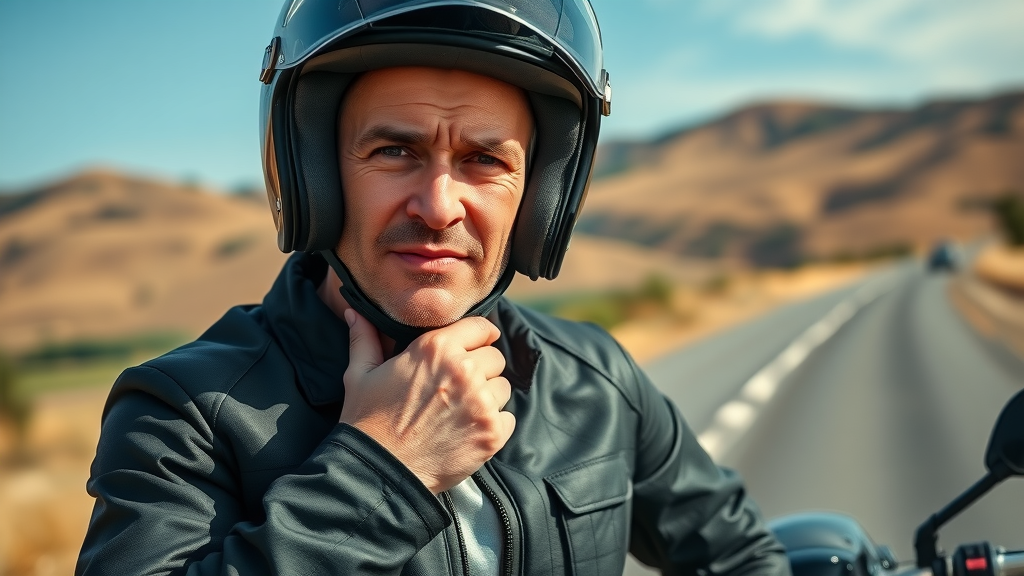
resolute motorcyclist tightening helmet strap protective gear motorcycle road safety

Motorcycle Helmet Usage and Road Safety Statistics

"Wearing a motorcycle helmet reduces the risk of death by 37% and head injury by 69%." – NHTSA

Your gear is your first, most reliable defense against a motorcycle crash. Among all items, the motorcycle helmet stands out as the only piece of protective gear proven to directly save lives . According to the NHTSA, properly worn helmets not only meet rigorous safety standards but also drastically lower the likelihood of fatal injuries.

Beyond helmets, motorcycle safety foundations recommend full-coverage jackets, gloves, pants, and boots made from abrasion-resistant materials. These not only reduce the severity of injuries in a crash, but improve rider comfort and concentration, regardless of the season. Investing in quality protective gear is a non-negotiable aspect of responsible motorcycle riding, suitable for every skill level —from commuters to advanced track enthusiasts.

Selecting the Right Protective Gear for All Skill Levels

Choosing the right protective gear begins with accurate sizing, quality materials, and verified safety certification. Experienced riders know that the best motorcycle helmet is one that fits snugly and carries a DOT or ECE label. Jackets with armor inserts, reinforced gloves, and boots that cover the ankles provide comprehensive protection and can prevent common injuries from road slides or impact with a motor vehicle.

Regardless of your riding environment, make it a habit to check your gear for wear and tear before every ride. Remember, compromise on protective gear isn’t worth the risk—investing a little more in high-quality items with proven safety features can make all the difference during unexpected events. Keeping these best practices routine elevates both your motorcycle safety and overall road safety presence, regardless of experience or destination.

Key Safety Tips for Riding a Motorcycle in All Conditions

determined motorcyclist riding rain wet pavement motorcycle road safety tips
  • Adjust riding for weather
  • Inspect motorcycle before each ride
  • Monitor fatigue and alertness
  • Adapt speed to road safety situations

Every seasoned motorcycle rider learns that being safe on the road means more than mastering sunny-day rides. Rain, fog, wind, darkness, and changing temperatures can quickly transform a routine trip into a risky adventure. Mastering the art of safe riding means learning how to adjust your speed, increase your following distance, and recognize reduced traction or visibility caused by adverse weather.

Before every ride, do a full inspection of your motorcycle. Double-check tire pressure, brake pads, and fluid levels—these details are frequently cited by the Motorcycle Safety Foundation as some of the most overlooked motorcycle safety tips. Monitor your body for signs of fatigue; riding tired is just as dangerous as riding impaired. Maintain a strong mental focus and adapt how you approach intersections, curves, and lane merges to match real-time road safety situations. These habits help avoid potential hazards and boost your confidence, no matter the conditions on your journey.

Improving Motorcycle Road Safety Skills: Continuous Learning and Practice

Advancing Your Skill Level Through Training Courses

"Great riders are always learning – motorcycle road safety is a lifelong skill."

The foundation of motorcycle road safety is continuous education. Skills can fade if not used or updated, and even experienced riders have blind spots in their knowledge or reflexes. Participating in ongoing rider education—offered by organizations such as the Motorcycle Safety Foundation or local traffic safety schools—raises your skill level , teaches you to anticipate modern road hazards, and keeps you up-to-date on changes to traffic laws or equipment.

These courses often simulate emergency situations, practice safe maneuvering techniques, and emphasize the importance of hazard perception. By making training a regular part of your riding routine, you develop muscle memory and a stronger sense of judgment when faced with unpredictable conditions. The payoff: safer journeys, the ability to avoid potential crashes, and a mindset deeply attuned to proactive motorcycle safety.

Common Mistakes to Avoid When Mastering Motorcycle Safety

One of the most common errors that even experienced riders make is overconfidence. Assuming you’re "too skilled to crash" often results in skipped safety checks, speeding, and ignoring changes in the riding environment. Another frequent mistake is neglecting to adjust riding style for weather, fatigue, or traffic density. Underestimating the impact of even minor distractions can have serious consequences.

Further, many riders neglect to thoroughly practice advanced braking, evasive maneuvers, or quick gear shifts. By actively seeking feedback on your riding, participating in group training sessions, or reviewing incidents (yours and others’), you can avoid these pitfalls and continue growing as a safe and responsible motorcycle rider. With regular self-assessment and training, you’re much better prepared to stay safe on the road.
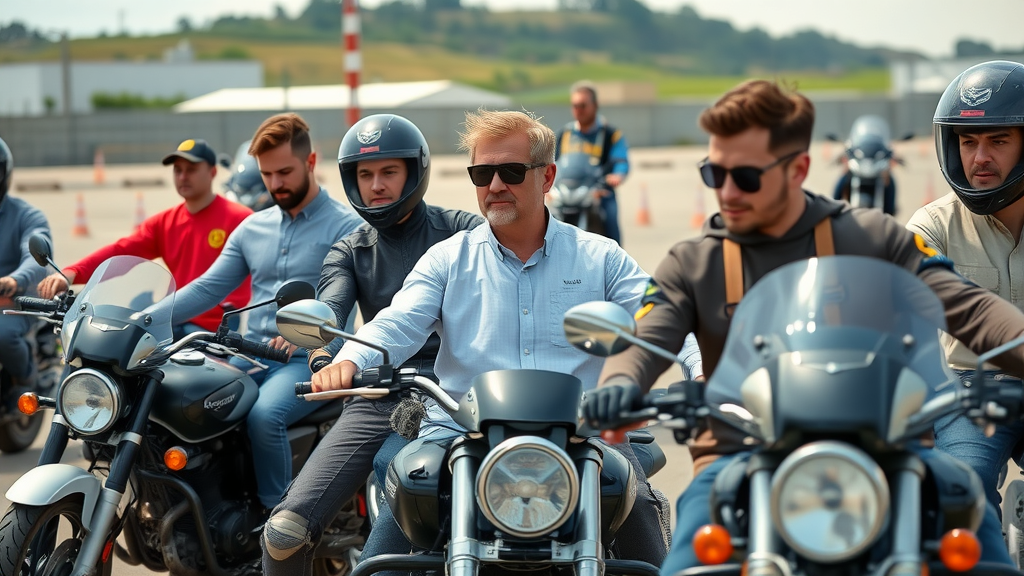
group of motorcyclists in safety training course motorcycle safety skills

Traffic Laws and Legal Responsibilities for Motorcycle Road Safety

Understanding Local Traffic Laws When Riding a Motorcycle

Complying with local and national traffic laws is the bedrock of motorcycle road safety. Every jurisdiction has specific rules for motorcycle riders—ranging from helmet and gear requirements to lane positioning, permitted lane-splitting, and legal riding environments. Ignoring these laws not only puts your life at risk but exposes you to penalties, increased insurance rates, and even the loss of your riding privileges.

Regularly review updates to traffic safety regulations either through your local DMV, rider advocacy groups, or the motorcycle safety foundation . Many accidents involve misunderstanding or not knowing current laws. By staying informed and practicing legal riding, you contribute to a safer environment for yourself and all road users.

The Role of Motorcycle Road Safety in Accident Prevention

Motorcycle road safety principles are designed to avoid potential hazards and reduce the likelihood of fatal crashes. Adopting a mindset of defensive riding—where you assume other drivers might not see you or may act unpredictably—dramatically increases your safety on the road. Always respect traffic signals, yield at intersections, and watch for aggressive drivers, especially in areas with a high number of motorcyclists killed or involved in accidents.

Promoting public awareness—by modeling great road safety behaviors—encourages safer driving habits among all motor vehicle operators. Being visible, predictable, and courteous are powerful accident prevention strategies. Ultimately, every action you take as a motorcycle rider can ripple out to save lives, including your own.

Staying Safe on the Road: Navigating Unseen Motorcycle Dangers

How to Stay Alert and Anticipate Hazards on the Road

Safe on the road means adopting hypervigilance every time you ride. The majority of unseen dangers—such as cars suddenly opening doors, debris kicked up by trucks, slick oil patches, or hidden potholes—can only be avoided if you are actively scanning the environment and planning for the unexpected. This means looking 10-12 seconds ahead, checking mirrors often, and avoiding drivers who seem distracted or aggressive.

Practicing this level of anticipation is one of the most critical motorcycle safety tips for reducing your risk of a motorcycle crash. Use your peripheral vision, listen for unusual sounds, and position yourself where drivers are most likely to see you. Stay ready to brake or swerve when faced with imminent obstacles and resist the temptation to drift into another vehicle’s blind spot. Being proactive, not reactive, often spells the difference between a close call and a serious accident.

Unseen Motorcycle Danger Proven Safety Tip to Mitigate Risk
Vehicles changing lanes without signaling Stay out of blind spots, ride with headlights on, anticipate lane changes and slow down accordingly
Cross-traffic at intersections Slow before intersections, make eye contact with drivers, and be prepared for emergency stops
Debris or oil on the road Scan pavement ahead, avoid sudden maneuvers, and maintain a cautious speed
Poor weather reducing visibility Wear bright rain gear, use anti-fog visors, and follow increased following distances
Sudden stops by other vehicles Keep a 2-4 second gap, cover brakes, and watch for brake lights ahead

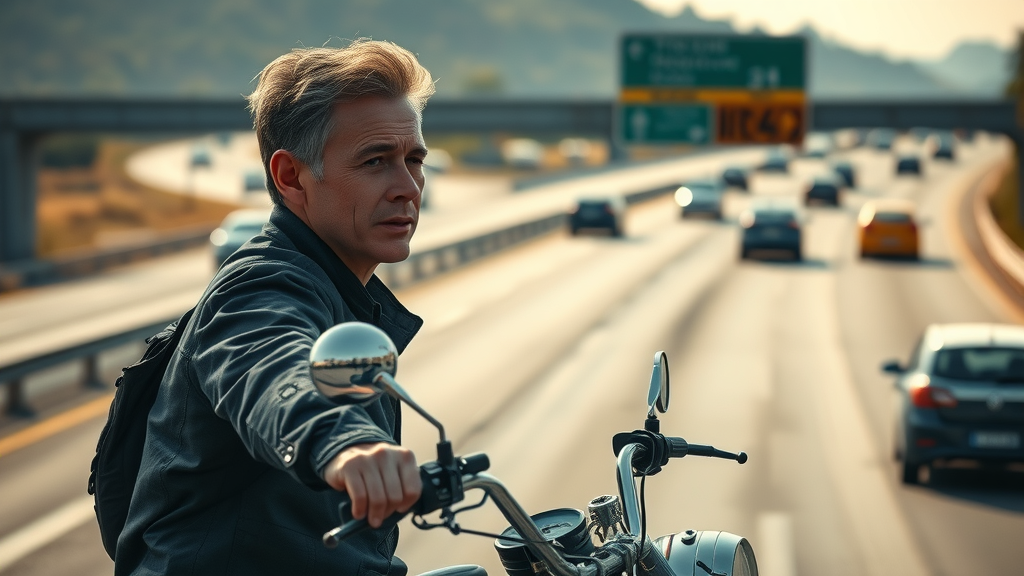
vigilant motorcyclist highway motorcycle road safety hazards anticipation

People Also Ask: What is the 12 Second Rule on a Motorcycle?

The 12 Second Rule Explained for Motorcycle Road Safety

The 12 second rule is a proven traffic safety principle that empowers motorcycle riders to proactively spot potential hazards far in advance. When riding a motorcycle, you should constantly scan the road 12 seconds ahead of your position (roughly a city block at moderate speeds). This time-frame allows you to identify dangerous situations—like sudden stops, vehicles merging or debris—and gives you ample time to safely slow down, shift gears, or change lanes.

Consistently applying the 12 second rule helps riders avoid fatal crashes and offers enough reaction time for safe maneuvers. This habit is especially vital at higher speeds or in complex urban environments. By making this safety tip part of your regular riding routine, you become a more defensive and prepared motorcycle rider, which directly reduces the highest number of accident scenarios.

People Also Ask: Where Do 70% of Motorcycle Accidents Occur?

Understanding the Most Dangerous Locations for Motorcycle Road Safety

A staggering 70% of motorcycle accidents occur at intersections , making these traffic points the highest-risk areas for all riders. Intersections often involve vehicles making unanticipated left turns, running red lights, or failing to yield, leading to the most severe types of motorcycle crash incidents. These factors highlight why every rider must exercise extra caution and prepare for the unexpected when approaching crossroads.

Additionally, city streets—where traffic volume is high and drivers are often distracted—see the greatest number of motorcyclists killed or injured annually. Being aware of these dangerous zones enables riders to slow down, scan for movement from side streets, and anticipate risky behavior by other road users. Road safety advocates and the motorcycle safety foundation emphasize heightened vigilance and adherence to traffic laws in these environments to save lives.
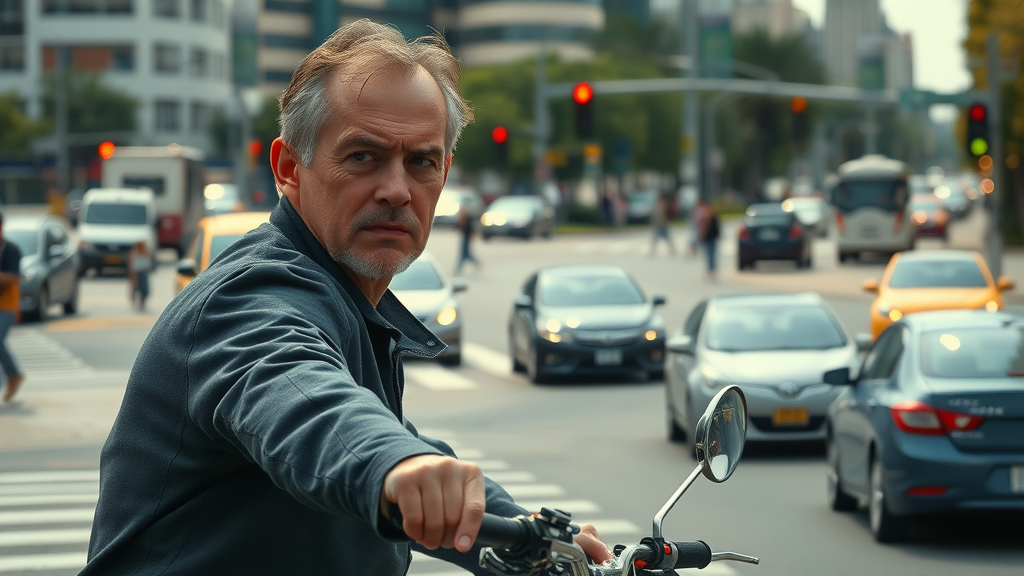
tense motorcyclist approaching intersection city traffic motorcycle road safety

People Also Ask: How to Make Roads Safer for Motorcycles?

Practical Steps for Enhancing Road Safety for Motorcycles

Improving road safety for motorcycles is a shared responsibility between riders, other drivers, and government officials. For riders, this means wearing protective gear, participating in ongoing rider education , and maintaining bikes to safety standards. Drivers should check their mirrors, watch blind spots, and respect motorcycle lane positioning.

Municipalities can enhance motorcycle road safety by maintaining clear road markings, fixing potholes, and supporting public awareness campaigns. Policies based on traffic safety studies—such as adding advanced warning signs and improving street lighting—have also been shown to save lives and reduce accident rates.

By combining these approaches, we create an environment where safe riding becomes the norm and fatal crashes become a rarity rather than a regular occurrence.

People Also Ask: What is the Best Safety Rule When Driving a Motorcycle?

The Golden Rule of Motorcycle Road Safety

The single most important safety rule when driving or riding a motorcycle is to “assume you are invisible to everyone on the road.” By embracing this mindset, you automatically prioritize defensive maneuvers—making yourself as visible as possible, never assuming other drivers see you, and always preparing an escape route when hazards emerge.

This golden rule encompasses the essence of all motorcycle safety tips: stay vigilant, wear protective gear, obey traffic laws, and never ride beyond your own skill level. Repeating this mantra before every ride can help prevent common motorcycle rider errors and keeps you safe on the road in any environment.

Mastering Motorcycle Road Safety: Take Action Today for Safer Journeys

  • Enroll in a local motorcycle safety course
  • Wear protective gear every ride
  • Practice daily motorcycle safety tips

Choosing to make motorcycle road safety your everyday habit is the most powerful way to protect yourself and others. By enrolling in approved safety courses, investing in high-quality gear, and practicing key tips every day, you dramatically lower your risk of injury and contribute to safer roads for all.

Let your commitment to constant improvement set an example for newer riders—and challenge seasoned veterans in your local community to raise the bar. Safe journeys start and end with personal accountability, continuous learning, and a deep respect for the road.

Frequently Asked Questions About Motorcycle Road Safety

  1. What are the most overlooked motorcycle safety tips?
    Riders often overlook basic checks like tire pressure, adjusting for weather, and staying out of vehicle blind spots. Never underestimate the importance of visible gear and the practice of situational awareness every time you ride, regardless of experience.
  2. How often should I check my motorcycle for road safety?
    A full inspection should be done before every ride. Checking brakes, lights, fluids, and tire condition is crucial—even on short trips. These quick habits catch small issues before they become major hazards.
  3. What protective gear is essential for every rider?
    At minimum, always wear a certified motorcycle helmet, armored jacket, gloves, sturdy pants, and boots. Even experienced riders can be seriously injured without this fundamental protection.

Key Insights: Transform Your Approach to Motorcycle Road Safety

  • Consistent practice of road safety saves lives
  • Quality gear is non-negotiable
  • Knowledge and skills build confidence on the road

Each of these points is supported by decades of data—and countless real-world stories—proving their effectiveness. If you only remember three things from this article, let them be commitment to safe practices, investing in gear, and ongoing mastery of your craft.

Protect Yourself and Others with Motorcycle Road Safety Awareness — Get Started Now

Don’t wait for an accident: commit to motorcycle road safety and protect your future.

There is no substitute for action: sign up for a safety course, inspect your gear, and pledge to model safe riding for others. Start today, and make motorcycle road safety the rule—not the exception—on every journey.

For additional practical advice, check out our hand-picked video compilation featuring expert instructors sharing their essential safety tips to boost your skill level and confidence.

Hear from riders whose quick thinking and dedicated safety habits made all the difference. Real testimony brings to life how proactive safety choices can prevent tragedy.

The Safe Ride Series

276 Views

0 Comments

Write A Comment

*
*
Please complete the captcha to submit your comment.
Related Posts All Posts
10.25.2026

Navigating Nevada Injury Cases Involving DUI: What You Need to Know

Update Understanding DUI Crash Claims in NevadaDiving into the legal landscape surrounding DUI-related injuries in Nevada can feel overwhelming, especially when clarity can make a significant difference in potential outcomes. An injury case stemming from a drunk driver isn’t just about what happened on the road; it’s also about sifting through layers of evidence that testify to the driver’s impairment. Notably, Nevada laws establish that punitive damages may be sought when an intoxicated driver willfully indulges in alcohol or drugs, leading to an accident.Why Evidence Matters in DUI CasesWhen assessing civil claims tied to DUI incidents, the array of evidence available often exceeds what you would find in an average collision case. Toxicological results, officer observations, and even body or dash-camera footage can significantly bolster your case. Moreover, witness statements that detail the driver’s impaired state can substantiate claims of negligence more firmly than in situations devoid of drinking or drug use.Common Misconceptions about Arrests and CompensationA common misconception is that if a driver is arrested for DUI, the injured party is automatically entitled to compensation. Unfortunately, this is not the case. While an arrest provides critical evidence, establishing a civil claim’s worth necessitates a thorough examination of factors such as fault, types of damages, and the limits of insurance policies in place, which can sometimes be surprisingly low.Pursuing Punitive Damages: More Than Just Medical CostsMost injury claims focus on compensatory damages—medical expenses, lost wages, and the damages to your vehicle. However, punitive damages are unique because they address the intentions behind the reckless behavior. They aim to punish the wrongdoer and deter others from similar conduct. In Nevada, pursuing punitive damages in cases against drunk drivers is feasible but highly dependent on the particulars of the case.The Role of Comparative Negligence in Civil CasesIn Nevada, the theory of comparative negligence plays a crucial role in injury claims. If you are partially at fault for the accident, it may reduce the compensation you can claim, even if the other party was drunkenly recklessness. An understanding of this principle helps navigate the claim and prepare for potential defenses from the opposing party.A Unique Approach to DUI Injury ClaimsNotably, pursuing a civil case requires a differentiated strategy. The spin-offs from a criminal charge need to be examined separately. The accountability the judicial system seeks does not replace the need for a personal injury claim, which requires its own robust evidentiary foundation. Legal Ride—specializing in injury claims—is crucial in navigating these convoluted waters.Concluding Thoughts: Navigating Your Injury ClaimThe road to compensation after an injury caused by a drunk driver can be challenging and fraught with uncertainties. Notably, while seeing the at-fault driver arrested can elicit emotions of justice, securing your financial future means reinforcing your injury claim with comprehensive evidence and legal strategy tailored specifically to your case’s circumstances. If you or someone you know has been affected by such an incident, it’s essential to consult with experts who can help you craft a strong foundation for your claim.In Nevada, if you've been hurt by an impaired driver, it's vital to focus on developing a solid civil case in parallel with any criminal prosecution. That’s where Legal Ride steps in. Call 833-LGL-RIDE today, and let’s discuss how we can work together to seek compensation and justice.

10.25.2026

Who Is Responsible When Self-Driving Technology Fails Motorcyclists?

Update Understanding Responsibility in Self-Driving CrashesThe rise of self-driving technology has brought with it complex implications for responsibility in the event of an accident, particularly for those on motorcycles. In a traditional car accident, responsibility typically begins with the driver. However, with autonomous vehicles, the dynamics change significantly. Riders may find themselves in a web of legal intricacies where multiple parties could share—or evade—accountability.Why Motorcyclists Matter in the Autonomous Vehicle DebateMotorcyclists, often more vulnerable on the roads, have unique challenges concerning self-driving cars. Due to their smaller size and reduced visibility, motorcycles pose a detectable challenge for autonomous sensor systems that rely heavily on visual and radar detection. If an autonomous vehicle fails to recognize a motorcycle due to a technology shortcoming, the implications could be dire, leading to harmful accidents where human error is not the sole culprit.The Technology Behind Self-Driving Vehicles: What's at Stake?Self-driving cars use cameras, radar, and sensors to identify and react to their surroundings. The crux of motorcycle safety with such technology lies in the system's ability to accurately detect and interpret the movements of bikes. Riders have a right to be concerned that these systems might not recognize their presence adequately. In the case of a collision, determining whether technology failed adds another layer of complexity to liability assertions.Evidence That Can Make or Break a CaseDriving an autonomous vehicle also means accumulating extensive electronic data that can be pivotal in understanding how an accident occurred. Sensors track data from speed and braking to engagement of the autonomous mode. However, the challenge lies in using this data effectively. In cases involving motorcyclists, physical evidence—such as vehicle damage and footage from helmets or dash cameras—becomes crucial in piecing together the events leading to a crash. This data helps distinguish between human negligence and mechanical faults.Counting on Insurance: Do Riders Have the Upper Hand?Insurance claims post-accident typically factor in various elements: medical costs, lost income, and emotional grief. However, with the introduction of self-driving vehicles into the mix, the responsible parties may include vehicle owners, manufacturers, and software developers—all of whom could complicate the recovery process. For motorcyclists, the ability to claim damages may depend on proving that self-driving technology failed them, which can be an uphill battle.A Complex Future: Predictions for Motorcyclists with Self-Driving CarsAs self-driving technology continues to evolve, so too does the landscape for motorcycle riders. It remains imperative that riders advocate for their rights concerning the safety standards of these technologies. Ensuring that corporate entities hold a stake in rider safety will be critical as autonomous vehicles become a prevalent part of our roads. Future innovations must integrate reliable solutions to recognize and appropriately react to motorcyclists to ensure everyone’s safety.Taking Action: What Riders Should DoIf you're a motorcyclist involved in an accident with a self-driving vehicle, it’s paramount to consult with an expert who understands both the technology and the intricacies of motorcycle law. You deserve representation that knows how to dissect complicated circumstances and insist on a thorough investigation. Collect evidence, gather eyewitness accounts, and never hesitate to reach out for legal help.In a world where technology is our co-pilot, riders should not feel like passengers lost in the shuffle. Understanding how these changes affect your rights and safety can empower you to navigate this transforming landscape. If you’ve been affected by an accident involving a self-driving vehicle, acting decisively and knowledgeably can greatly influence the outcome of your case.

10.16.2026

Essential Safety Tips for Motorcyclists and Drivers This Autumn

Update Why Autumn Motorcycle Safety Requires Extra Care As autumn graces us with its cooler temperatures and vibrant foliage, it tempts many motorcyclists onto the road. However, this beautiful season also poses unique challenges requiring heightened vigilance from both riders and drivers. Changing Conditions: Preparing for the Ride Motorcyclists should conduct thorough pre-ride inspections, including checking tire pressure which can drop with falling temperatures. The Motorcycle Safety Foundation's T-CLOCS checklist can help ensure your motorcycle is in perfect condition for the changing riding conditions. Dressing in layers is also essential, as temperatures can fluctuate dramatically, particularly after sundown. Road Hazards: Leaves and Wildlife Wet leaves and debris can create slippery conditions on roads. Riders should approach these areas with caution, and alertness for wildlife is paramount—deer are particularly active during dusk and dawn, making those times critical to remain vigilant. Motorcyclists are reminded to maintain situational awareness to navigate these seasonal hazards safely. Drivers: Keeping an Eye Out for Motorcycles For drivers, the responsibility is equally significant. Motorcycles can be hard to spot, especially in dimmer light during shorter days. Maintaining a safe distance from motorcycles, checking mirrors diligently, and remaining distraction-free are best practices to ensure all road users stay safe. The Importance of Education and Awareness Both motorcyclists and drivers can benefit from ongoing education. Taking refresher courses for motorcyclists or simply reviewing safety tips can be invaluable. Moreover, AAA's recent advice underscores the importance of awareness for all road users as they share the road amidst the changing autum conditions. As we embrace autumn, let’s make safety a priority on our rides. For additional resources and safety tips, consider visiting [Motorcycle Safety Foundation](https://msf-usa.org). Together, we can ensure everyone enjoys the beauty of autumn riding safely.

Rider Safety News

Rider Safety News centers on motorcycle crash prevention, legal rights education, injury mitigation techniques, rally news, and expert insights tailored for motorcycle riders.

ADVERTISE
Rider Safe News
SeamanDan.com
SeamanDan Media Press Pass

ABOUT US

SeamanDan LLC is a modern news media agency creating niche digital channels that inform and engage. We specialize in launching focused platforms that deliver impactful content.  Our current brands include:
Parallel Health World
AI Insights Hub
MLM News AI
Rider Safe News
Meme Crypto News
Rugged Trails Network
Recreation Wave

Outdoor Odyssey News
Eco-Innovation Hub
Metal Green Innovators
Autism Foundation News

At SeamanDan LLC, we don't just report the news, we create platforms that build communities, foster trust, and drive forward-thinking conversations.  Can we build a channel for you?

© 2026 SeamanDan LLC All Rights Reserved. 810 N Main St #187, Spearfish, SD 57783 . Contact Us . Terms of Service . Privacy Policy

eyJjb21wYW55IjoiU2VhbWFuRGFuIExMQyIsImFkZHJlc3MiOiI4MTAgTiBNYWluIFN0ICMxODciLCJjaXR5IjoiU3BlYXJmaXNoIiwic3RhdGUiOiJTRCIsInppcCI6IjU3NzgzIiwiZW1haWwiOiJzZWFtYW5kYW5Ac2VhbWFuZGFuLmNvbSIsInRvcyI6IlBIQStQSE4wY205dVp6NDhaVzArVjJobGJpQjViM1VnYzJsbmJpMXBiaUIzYVhSb0lIVnpMQ0I1YjNVZ1lYSmxJR2RwZG1sdVp5WnVZbk53T3lCNWIzVnlJSEJsY20xcGMzTnBiMjRnWVc1a0lHTnZibk5sYm5RZ2RHOGdjMlZ1WkNCNWIzVWdaVzFoYVd3Z1lXNWtMMjl5SUZOTlV5QjBaWGgwSUcxbGMzTmhaMlZ6TGlCQ2VTQmphR1ZqYTJsdVp5QjBhR1VnVkdWeWJYTWdZVzVrSUVOdmJtUnBkR2x2Ym5NZ1ltOTRJR0Z1WkNCaWVTQnphV2R1YVc1bklHbHVJSGx2ZFNCaGRYUnZiV0YwYVdOaGJHeDVJR052Ym1acGNtMGdkR2hoZENCNWIzVWdZV05qWlhCMElHRnNiQ0IwWlhKdGN5QnBiaUIwYUdseklHRm5jbVZsYldWdWRDNDhMMlZ0UGp3dmMzUnliMjVuUGp3dmNENEtDanh3UGp4aElHaHlaV1k5SW1oMGRIQnpPaTh2Y21sa1pYSnpZV1psYm1WM2N5NWpiMjBpSUhSaGNtZGxkRDBpWDNObGJHWWlQbWgwZEhCek9pOHZjbWxrWlhKellXWmxibVYzY3k1amIyMDhMMkUrUEM5d1Bnb0tQSEErSm01aWMzQTdQQzl3UGdvS1BIQStQSE4wY205dVp6NVRSVkpXU1VORlBDOXpkSEp2Ym1jK1BDOXdQZ29LUEhBK1YyVWdjSEp2ZG1sa1pTQmhJSE5sY25acFkyVWdkR2hoZENCamRYSnlaVzUwYkhrZ1lXeHNiM2R6SUhsdmRTQjBieUJ5WldObGFYWmxJSEpsY1hWbGMzUnpJR1p2Y2lCbVpXVmtZbUZqYXl3Z1kyOXRjR0Z1ZVNCcGJtWnZjbTFoZEdsdmJpd2djSEp2Ylc5MGFXOXVZV3dnYVc1bWIzSnRZWFJwYjI0c0lHTnZiWEJoYm5rZ1lXeGxjblJ6TENCamIzVndiMjV6TENCa2FYTmpiM1Z1ZEhNZ1lXNWtJRzkwYUdWeUlHNXZkR2xtYVdOaGRHbHZibk1nZEc4Z2VXOTFjaUJsYldGcGJDQmhaR1J5WlhOeklHRnVaQzl2Y2lCalpXeHNkV3hoY2lCd2FHOXVaU0J2Y2lCa1pYWnBZMlV1SUZsdmRTQjFibVJsY25OMFlXNWtJR0Z1WkNCaFozSmxaU0IwYUdGMElIUm9aU0JUWlhKMmFXTmxJR2x6SUhCeWIzWnBaR1ZrSUNaeGRXOTBPMEZUTFVsVEpuRjFiM1E3SUdGdVpDQjBhR0YwSUhkbElHRnpjM1Z0WlNCdWJ5QnlaWE53YjI1emFXSnBiR2wwZVNCbWIzSWdkR2hsSUhScGJXVnNhVzVsYzNNc0lHUmxiR1YwYVc5dUxDQnRhWE10WkdWc2FYWmxjbmtnYjNJZ1ptRnBiSFZ5WlNCMGJ5QnpkRzl5WlNCaGJua2dkWE5sY2lCamIyMXRkVzVwWTJGMGFXOXVjeUJ2Y2lCd1pYSnpiMjVoYkdsNllYUnBiMjRnYzJWMGRHbHVaM011UEM5d1Bnb0tQSEErV1c5MUlHRnlaU0J5WlhOd2IyNXphV0pzWlNCbWIzSWdiMkowWVdsdWFXNW5JR0ZqWTJWemN5QjBieUIwYUdVZ1UyVnlkbWxqWlNCaGJtUWdkR2hoZENCaFkyTmxjM01nYldGNUlHbHVkbTlzZG1VZ2RHaHBjbVFnY0dGeWRIa2dabVZsY3lBb2MzVmphQ0JoY3lCVFRWTWdkR1Y0ZENCdFpYTnpZV2RsY3l3Z1NXNTBaWEp1WlhRZ2MyVnlkbWxqWlNCd2NtOTJhV1JsY2lCdmNpQmpaV3hzZFd4aGNpQmhhWEowYVcxbElHTm9ZWEpuWlhNcExpQlpiM1VnWVhKbElISmxjM0J2Ym5OcFlteGxJR1p2Y2lCMGFHOXpaU0JtWldWekxDQnBibU5zZFdScGJtY2dkR2h2YzJVZ1ptVmxjeUJoYzNOdlkybGhkR1ZrSUhkcGRHZ2dkR2hsSUdScGMzQnNZWGtnYjNJZ1pHVnNhWFpsY25rZ2IyWWdaV0ZqYUNCVFRWTWdkR1Y0ZENCdFpYTnpZV2RsSUhObGJuUWdkRzhnZVc5MUlHSjVJSFZ6TGlCSmJpQmhaR1JwZEdsdmJpd2dlVzkxSUcxMWMzUWdjSEp2ZG1sa1pTQmhibVFnWVhKbElISmxjM0J2Ym5OcFlteGxJR1p2Y2lCaGJHd2daWEYxYVhCdFpXNTBJRzVsWTJWemMyRnllU0IwYnlCaFkyTmxjM01nZEdobElGTmxjblpwWTJVZ1lXNWtJSEpsWTJWcGRtVWdkR2hsSUZOTlV5QjBaWGgwSUcxbGMzTmhaMlZ6TGlCWFpTQmtieUJ1YjNRZ1kyaGhjbWRsSUdGdWVTQm1aV1Z6SUdadmNpQmtaV3hwZG1WeWVTQnZaaUJsYldGcGJDQnZjaUJUVFZNdUlGUm9hWE1nYVhNZ1lTQm1jbVZsSUhObGNuWnBZMlVnY0hKdmRtbGtaV1FnWW5rZ2RYTXVJRWh2ZDJWMlpYSXNJSEJzWldGelpTQmphR1ZqYXlCM2FYUm9JSGx2ZFhJZ2FXNTBaWEp1WlhRZ2MyVnlkbWxqWlNCd2NtOTJhV1JsY2lCaGJtUWdZMlZzYkhWc1lYSWdZMkZ5Y21sbGNpQm1iM0lnWVc1NUlHTm9ZWEpuWlhNZ2RHaGhkQ0J0WVhrZ2FXNWpkWElnWVhNZ1lTQnlaWE4xYkhRZ1puSnZiU0J5WldObGFYWnBibWNnWlcxaGFXd2dZVzVrSUZOTlV5QjBaWGgwSUcxbGMzTmhaMlZ6SUhSb1lYUWdkMlVnWkdWc2FYWmxjaUIxY0c5dUlIbHZkWElnYjNCMExXbHVJR0Z1WkNCeVpXZHBjM1J5WVhScGIyNGdkMmwwYUNCdmRYSWdaVzFoYVd3Z1lXNWtJRk5OVXlCelpYSjJhV05sY3k0Z1dXOTFJR05oYmlCallXNWpaV3dnWVhRZ1lXNTVJSFJwYldVdUlFcDFjM1FnZEdWNGRDQW1jWFZ2ZER0VFZFOVFKbkYxYjNRN0lIUnZKbTVpYzNBN1BHaHBaMmhzYVdkb2RDQmpiR0Z6Y3owaVkyOXRjR0Z1ZVZOTlUxQm9iMjVsVlhCa1lYUmxJajV1ZFd4c1BDOW9hV2RvYkdsbmFIUStMaUJCWm5SbGNpQjViM1VnYzJWdVpDQjBhR1VnVTAxVElHMWxjM05oWjJVZ0puRjFiM1E3VTFSUFVDWnhkVzkwT3lCMGJ5QjFjeXdnZDJVZ2QybHNiQ0J6Wlc1a0lIbHZkU0JoYmlCVFRWTWdiV1Z6YzJGblpTQjBieUJqYjI1bWFYSnRJSFJvWVhRZ2VXOTFJR2hoZG1VZ1ltVmxiaUIxYm5OMVluTmpjbWxpWldRdUlFRm1kR1Z5SUhSb2FYTXNJSGx2ZFNCM2FXeHNJRzV2SUd4dmJtZGxjaUJ5WldObGFYWmxJRk5OVXlCdFpYTnpZV2RsY3lCbWNtOXRJSFZ6TGp3dmNENEtDanh3UGp4emRISnZibWMrV1U5VlVpQlNSVWRKVTFSU1FWUkpUMDRnVDBKTVNVZEJWRWxQVGxNOEwzTjBjbTl1Wno0OEwzQStDZ284Y0Q1SmJpQmpiMjV6YVdSbGNtRjBhVzl1SUc5bUlIbHZkWElnZFhObElHOW1JSFJvWlNCVFpYSjJhV05sTENCNWIzVWdZV2R5WldVZ2RHODZQQzl3UGdvS1BHOXNQZ29KUEd4cFBuQnliM1pwWkdVZ2RISjFaU3dnWVdOamRYSmhkR1VzSUdOMWNuSmxiblFnWVc1a0lHTnZiWEJzWlhSbElHbHVabTl5YldGMGFXOXVJR0ZpYjNWMElIbHZkWEp6Wld4bUlHRnpJSEJ5YjIxd2RHVmtJR0o1SUhSb1pTQlRaWEoyYVdObEppTXpPVHR6SUhKbFoybHpkSEpoZEdsdmJpQm1iM0p0SUNoemRXTm9JR2x1Wm05eWJXRjBhVzl1SUdKbGFXNW5JSFJvWlNBbWNYVnZkRHRTWldkcGMzUnlZWFJwYjI0Z1JHRjBZU1p4ZFc5ME95a2dZVzVrUEM5c2FUNEtDVHhzYVQ1dFlXbHVkR0ZwYmlCaGJtUWdjSEp2YlhCMGJIa2dkWEJrWVhSbElIUm9aU0JTWldkcGMzUnlZWFJwYjI0Z1JHRjBZU0IwYnlCclpXVndJR2wwSUhSeWRXVXNJR0ZqWTNWeVlYUmxMQ0JqZFhKeVpXNTBJR0Z1WkNCamIyMXdiR1YwWlM0Z1NXWWdlVzkxSUhCeWIzWnBaR1VnWVc1NUlHbHVabTl5YldGMGFXOXVJSFJvWVhRZ2FYTWdkVzUwY25WbExDQnBibUZqWTNWeVlYUmxMQ0J1YjNRZ1kzVnljbVZ1ZENCdmNpQnBibU52YlhCc1pYUmxMQ0J2Y2lCM1pTQm9ZWFpsSUhKbFlYTnZibUZpYkdVZ1ozSnZkVzVrY3lCMGJ5QnpkWE53WldOMElIUm9ZWFFnYzNWamFDQnBibVp2Y20xaGRHbHZiaUJwY3lCMWJuUnlkV1VzSUdsdVlXTmpkWEpoZEdVc0lHNXZkQ0JqZFhKeVpXNTBJRzl5SUdsdVkyOXRjR3hsZEdVc0lIZGxJR2hoZG1VZ2RHaGxJSEpwWjJoMElIUnZJSE4xYzNCbGJtUWdiM0lnUEhOMGNtOXVaejQ4YzNCaGJpQnpkSGxzWlQwaVkyOXNiM0k2STBaR01EQXdNRHNpUG5SbGNtMXBibUYwWlNCNWIzVnlJR0ZqWTI5MWJuUXZjSEp2Wm1sc1pTQmhibVFnY21WbWRYTmxJR0Z1ZVNCaGJtUWdZV3hzSUdOMWNuSmxiblFnYjNJZ1puVjBkWEpsSUhWelpTQnZaaUIwYUdVZ1UyVnlkbWxqWlNBb2IzSWdZVzU1SUhCdmNuUnBiMjRnZEdobGNtVnZaaWt1UEM5emNHRnVQand2YzNSeWIyNW5Qand2YkdrK0Nqd3ZiMncrQ2dvOGNENG1ibUp6Y0RzOEwzQStDanhvYVdkb2JHbG5hSFFnWTJ4aGMzTTlJbU52YlhCaGJubE9ZVzFsVlhCa1lYUmxJajVUWldGdFlXNUVZVzRnVEV4RFBDOW9hV2RvYkdsbmFIUStQR0p5SUM4K0NqeG9hV2RvYkdsbmFIUWdZMnhoYzNNOUltTnZiWEJoYm5sQlpHUnlaWE56VlhCa1lYUmxJajQ0TVRBZ1RpQk5ZV2x1SUZOMElDTXhPRGNzSUZOd1pXRnlabWx6YUN3Z1UwUWdOVGMzT0RNOEwyaHBaMmhzYVdkb2RENDhZbklnTHo0S1BHaHBaMmhzYVdkb2RDQmpiR0Z6Y3owaVkyOXRjR0Z1ZVZCb2IyNWxWWEJrWVhSbElqNHJNU0EyTnpndE5EYzRMVFEyT1RBOEwyaHBaMmhzYVdkb2RENDhZbklnTHo0S1BHaHBaMmhzYVdkb2RDQmpiR0Z6Y3owaVkyOXRjR0Z1ZVVWdFlXbHNWWEJrWVhSbElqNXpaV0Z0WVc1a1lXNUFjMlZoYldGdVpHRnVMbU52YlR3dmFHbG5hR3hwWjJoMFBnPT0iLCJwcml2YWN5IjoiUEhBK1BITjBjbTl1Wno1UVVrbFdRVU5aUEM5emRISnZibWMrUEM5d1Bnb0tQSEErUEhOMGNtOXVaejVVYUdVZ2FXNW1iM0p0WVhScGIyNGdjSEp2ZG1sa1pXUWdaSFZ5YVc1bklIUm9hWE1nY21WbmFYTjBjbUYwYVc5dUlHbHpJR3RsY0hRZ2NISnBkbUYwWlNCaGJtUWdZMjl1Wm1sa1pXNTBhV0ZzTENCaGJtUWdkMmxzYkNCdVpYWmxjaUJpWlNCa2FYTjBjbWxpZFhSbFpDd2dZMjl3YVdWa0xDQnpiMnhrTENCMGNtRmtaV1FnYjNJZ2NHOXpkR1ZrSUdsdUlHRnVlU0IzWVhrc0lITm9ZWEJsSUc5eUlHWnZjbTB1SUZSb2FYTWdhWE1nYjNWeUlHZDFZWEpoYm5SbFpTNDhMM04wY205dVp6NDhMM0ErQ2dvOGNENDhjM1J5YjI1blBrbE9SRVZOVGtsVVdUd3ZjM1J5YjI1blBqd3ZjRDRLQ2p4d1BqeGxiVDVaYjNVZ1lXZHlaV1VnZEc4Z2FXNWtaVzF1YVdaNUlHRnVaQ0JvYjJ4a0lIVnpMQ0JoYm1RZ2FYUnpJSE4xWW5OcFpHbGhjbWxsY3l3Z1lXWm1hV3hwWVhSbGN5d2diMlptYVdObGNuTXNJR0ZuWlc1MGN5d2dZMjh0WW5KaGJtUmxjbk1nYjNJZ2IzUm9aWElnY0dGeWRHNWxjbk1zSUdGdVpDQmxiWEJzYjNsbFpYTXNJR2hoY20xc1pYTnpJR1p5YjIwZ1lXNTVJR05zWVdsdElHOXlJR1JsYldGdVpDd2dhVzVqYkhWa2FXNW5JSEpsWVhOdmJtRmliR1VnWVhSMGIzSnVaWGx6SmlNek9Uc2dabVZsY3l3Z2JXRmtaU0JpZVNCaGJua2dkR2hwY21RZ2NHRnlkSGtnWkhWbElIUnZJRzl5SUdGeWFYTnBibWNnYjNWMElHOW1JRU52Ym5SbGJuUWdlVzkxSUhKbFkyVnBkbVVzSUhOMVltMXBkQ3dnY21Wd2JIa3NJSEJ2YzNRc0lIUnlZVzV6YldsMElHOXlJRzFoYTJVZ1lYWmhhV3hoWW14bElIUm9jbTkxWjJnZ2RHaGxJRk5sY25acFkyVXNJSGx2ZFhJZ2RYTmxJRzltSUhSb1pTQlRaWEoyYVdObExDQjViM1Z5SUdOdmJtNWxZM1JwYjI0Z2RHOGdkR2hsSUZObGNuWnBZMlVzSUhsdmRYSWdkbWx2YkdGMGFXOXVJRzltSUhSb1pTQlVUMU1zSUc5eUlIbHZkWElnZG1sdmJHRjBhVzl1SUc5bUlHRnVlU0J5YVdkb2RITWdiMllnWVc1dmRHaGxjaTQ4TDJWdFBqd3ZjRDRLQ2p4d1BqeHpkSEp2Ym1jK1JFbFRRMHhCU1UxRlVpQlBSaUJYUVZKU1FVNVVTVVZUUEM5emRISnZibWMrUEM5d1Bnb0tQSEErUEhOMGNtOXVaejVaVDFVZ1JWaFFVa1ZUVTB4WklGVk9SRVZTVTFSQlRrUWdRVTVFSUVGSFVrVkZJRlJJUVZRNlBDOXpkSEp2Ym1jK1BDOXdQZ29LUEc5c1Bnb0pQR3hwUGxsUFZWSWdWVk5GSUU5R0lGUklSU0JUUlZKV1NVTkZJRWxUSUVGVUlGbFBWVklnVTA5TVJTQlNTVk5MTGlCVVNFVWdVMFZTVmtsRFJTQkpVeUJRVWs5V1NVUkZSQ0JQVGlCQlRpQW1jWFZ2ZER0QlV5QkpVeVp4ZFc5ME95QkJUa1FnSm5GMWIzUTdRVk1nUVZaQlNVeEJRa3hGSm5GMWIzUTdJRUpCVTBsVExpQXNMaUJCVGtRZ1ZWTXNJRWxVSmlNek9UdFRJRU5WVTFSUFRVVlNVeXdnUlZoUVVrVlRVMHhaSUVSSlUwTk1RVWxOVXlCQlRFd2dWMEZTVWtGT1ZFbEZVeUJQUmlCQlRsa2dTMGxPUkN3Z1YwaEZWRWhGVWlCRldGQlNSVk5USUU5U0lFbE5VRXhKUlVRc0lFbE9RMHhWUkVsT1J5d2dRbFZVSUU1UFZDQk1TVTFKVkVWRUlGUlBJRlJJUlNCSlRWQk1TVVZFSUZkQlVsSkJUbFJKUlZNZ1QwWWdUVVZTUTBoQlRsUkJRa2xNU1ZSWkxDQkdTVlJPUlZOVElFWlBVaUJCSUZCQlVsUkpRMVZNUVZJZ1VGVlNVRTlUUlNCQlRrUWdUazlPTFVsT1JsSkpUa2RGVFVWT1ZDNDhMMnhwUGdvSlBHeHBQazFCUzBWVElFNVBJRmRCVWxKQlRsUlpJRlJJUVZRZ0tHa3BJRlJJUlNCVFJWSldTVU5GSUZkSlRFd2dUVVZGVkNCWlQxVlNJRkpGVVZWSlVrVk5SVTVVVXl3Z0tHbHBLU0JVU0VVZ1UwVlNWa2xEUlNCWFNVeE1JRUpGSUZWT1NVNVVSVkpTVlZCVVJVUXNJRlJKVFVWTVdTd2dVMFZEVlZKRkxDQlBVaUJGVWxKUFVpMUdVa1ZGTENBb2FXbHBLU0JVU0VVZ1VrVlRWVXhVVXlCVVNFRlVJRTFCV1NCQ1JTQlBRbFJCU1U1RlJDQkdVazlOSUZSSVJTQlZVMFVnVDBZZ1ZFaEZJRk5GVWxaSlEwVWdWMGxNVENCQ1JTQkJRME5WVWtGVVJTQlBVaUJTUlV4SlFVSk1SU3dnUVU1RUlDaHBkaWtnUVU1WklFVlNVazlTVXlCSlRpQlVTRVVnVTA5R1ZGZEJVa1VnVjBsTVRDQkNSU0JEVDFKU1JVTlVSVVF1UEM5c2FUNEtDVHhzYVQ1QlRsa2dUVUZVUlZKSlFVd2dSRTlYVGt4UFFVUkZSQ0JQVWlCUFZFaEZVbGRKVTBVZ1QwSlVRVWxPUlVRZ1ZFaFNUMVZIU0NCVVNFVWdWVk5GSUU5R0lGUklSU0JUUlZKV1NVTkZJRWxUSUVSUFRrVWdRVlFnV1U5VlVpQlBWMDRnUkVsVFExSkZWRWxQVGlCQlRrUWdVa2xUU3lCQlRrUWdWRWhCVkNCWlQxVWdWMGxNVENCQ1JTQlRUMHhGVEZrZ1VrVlRVRTlPVTBsQ1RFVWdSazlTSUVGT1dTQkVRVTFCUjBVZ1ZFOGdXVTlWVWlCRFQwMVFWVlJGVWlCVFdWTlVSVTBnVDFJZ1RFOVRVeUJQUmlCRVFWUkJJRlJJUVZRZ1VrVlRWVXhVVXlCR1VrOU5JRlJJUlNCRVQxZE9URTlCUkNCUFJpQkJUbGtnVTFWRFNDQk5RVlJGVWtsQlRDNDhMMnhwUGdvSlBHeHBQazVQSUVGRVZrbERSU0JQVWlCSlRrWlBVazFCVkVsUFRpd2dWMGhGVkVoRlVpQlBVa0ZNSUU5U0lGZFNTVlJVUlU0c0lFOUNWRUZKVGtWRUlFSlpJRmxQVlNCR1VrOU5JRTlTSUZSSVVrOVZSMGdnVDFJZ1JsSlBUU0JVU0VVZ1UwVlNWa2xEUlNCVFNFRk1UQ0JEVWtWQlZFVWdRVTVaSUZkQlVsSkJUbFJaSUU1UFZDQkZXRkJTUlZOVFRGa2dVMVJCVkVWRUlFbE9JRlJJUlNCVVQxTXVQQzlzYVQ0S1BDOXZiRDRLQ2p4d1BqeHpkSEp2Ym1jK1RFbE5TVlJCVkVsUFRpQlBSaUJNU1VGQ1NVeEpWRms4TDNOMGNtOXVaejQ4TDNBK0NnbzhjRDVaVDFVZ1JWaFFVa1ZUVTB4WklGVk9SRVZTVTFSQlRrUWdRVTVFSUVGSFVrVkZJRlJJUVZRZ1FVNUVJRk5JUVV4TUlFNVBWQ0JDUlNCTVNVRkNURVVnUms5U0lFRk9XU0JFU1ZKRlExUXNJRWxPUkVsU1JVTlVMQ0JKVGtOSlJFVk9WRUZNTENCVFVFVkRTVUZNTENCRFQwNVRSVkZWUlU1VVNVRk1JRTlTSUVWWVJVMVFURUZTV1NCRVFVMUJSMFZUTENCSlRrTk1WVVJKVGtjZ1FsVlVJRTVQVkNCTVNVMUpWRVZFSUZSUExDQkVRVTFCUjBWVElFWlBVaUJNVDFOVElFOUdJRkJTVDBaSlZGTXNJRWRQVDBSWFNVeE1MQ0JWVTBVc0lFUkJWRUVnVDFJZ1QxUklSVklnU1U1VVFVNUhTVUpNUlNCTVQxTlRSVk1nS0VWV1JVNGdTVVlnU0VGVElFSkZSVTRnUVVSV1NWTkZSQ0JQUmlCVVNFVWdVRTlUVTBsQ1NVeEpWRmtnVDBZZ1UxVkRTQ0JFUVUxQlIwVlRLU3dnVWtWVFZVeFVTVTVISUVaU1QwMDZQQzl3UGdvS1BHOXNQZ29KUEd4cFBsUklSU0JWVTBVZ1QxSWdWRWhGSUVsT1FVSkpURWxVV1NCVVR5QlZVMFVnVkVoRklGTkZVbFpKUTBVN1BDOXNhVDRLQ1R4c2FUNVVTRVVnUTA5VFZDQlBSaUJRVWs5RFZWSkZUVVZPVkNCUFJpQlRWVUpUVkVsVVZWUkZJRWRQVDBSVElFRk9SQ0JUUlZKV1NVTkZVeUJTUlZOVlRGUkpUa2NnUmxKUFRTQkJUbGtnUjA5UFJGTXNJRVJCVkVFc0lFbE9SazlTVFVGVVNVOU9JRTlTSUZORlVsWkpRMFZUSUZCVlVrTklRVk5GUkNCUFVpQlBRbFJCU1U1RlJDQlBVaUJOUlZOVFFVZEZVeUJTUlVORlNWWkZSQ0JQVWlCVVVrRk9VMEZEVkVsUFRsTWdSVTVVUlZKRlJDQkpUbFJQSUZSSVVrOVZSMGdnVDFJZ1JsSlBUU0JVU0VVZ1UwVlNWa2xEUlRzOEwyeHBQZ29KUEd4cFBsVk9RVlZVU0U5U1NWcEZSQ0JCUTBORlUxTWdWRThnVDFJZ1FVeFVSVkpCVkVsUFRpQlBSaUJaVDFWU0lGUlNRVTVUVFVsVFUwbFBUbE1nVDFJZ1JFRlVRVHM4TDJ4cFBnb0pQR3hwUGxOVVFWUkZUVVZPVkZNZ1QxSWdRMDlPUkZWRFZDQlBSaUJCVGxrZ1ZFaEpVa1FnVUVGU1ZGa2dUMDRnVkVoRklGTkZVbFpKUTBVN0lFOVNQQzlzYVQ0S0NUeHNhVDVCVGxrZ1QxUklSVklnVFVGVVZFVlNJRkpGVEVGVVNVNUhJRlJQSUZSSVJTQlRSVkpXU1VORkxqd3ZiR2srQ2p3dmIydytDZ284Y0Q0OGRUNUNlU0J5WldkcGMzUmxjbWx1WnlCaGJtUWdjM1ZpYzJOeWFXSnBibWNnZEc4Z2IzVnlJR1Z0WVdsc0lHRnVaQ0JUVFZNZ2MyVnlkbWxqWlN3Z1lua2diM0IwTFdsdUxDQnZibXhwYm1VZ2NtVm5hWE4wY21GMGFXOXVJRzl5SUdKNUlHWnBiR3hwYm1jZ2IzVjBJR0VnWTJGeVpDd2dKbkYxYjNRN2VXOTFJR0ZuY21WbElIUnZJSFJvWlhObElGUkZVazFUSUU5R0lGTkZVbFpKUTBVbWNYVnZkRHNnWVc1a0lIbHZkU0JoWTJ0dWIzZHNaV1JuWlNCaGJtUWdkVzVrWlhKemRHRnVaQ0IwYUdVZ1lXSnZkbVVnZEdWeWJYTWdiMllnYzJWeWRtbGpaU0J2ZFhSc2FXNWxaQ0JoYm1RZ1pHVjBZV2xzWldRZ1ptOXlJSGx2ZFNCMGIyUmhlUzQ4TDNVK1BDOXdQZ29LUEhBK0ptNWljM0E3UEM5d1BnbzhhR2xuYUd4cFoyaDBJR05zWVhOelBTSmpiMjF3WVc1NVRtRnRaVlZ3WkdGMFpTSStVMlZoYldGdVJHRnVJRXhNUXp3dmFHbG5hR3hwWjJoMFBqeGljaUF2UGdvOGFHbG5hR3hwWjJoMElHTnNZWE56UFNKamIyMXdZVzU1UVdSa2NtVnpjMVZ3WkdGMFpTSStPREV3SUU0Z1RXRnBiaUJUZENBak1UZzNMQ0JUY0dWaGNtWnBjMmdzSUZORUlEVTNOemd6UEM5b2FXZG9iR2xuYUhRK1BHSnlJQzgrQ2p4b2FXZG9iR2xuYUhRZ1kyeGhjM005SW1OdmJYQmhibmxRYUc5dVpWVndaR0YwWlNJK0t6RWdOamM0TFRRM09DMDBOamt3UEM5b2FXZG9iR2xuYUhRK1BHSnlJQzgrQ2p4b2FXZG9iR2xuYUhRZ1kyeGhjM005SW1OdmJYQmhibmxGYldGcGJGVndaR0YwWlNJK2MyVmhiV0Z1WkdGdVFITmxZVzFoYm1SaGJpNWpiMjA4TDJocFoyaHNhV2RvZEQ0PSJ9

Terms of Service

Privacy Policy

Core Modal Title

Sorry, no results found

You Might Find These Articles Interesting

T
Please Check Your Email
We Will Be Following Up Shortly
*
*
*