

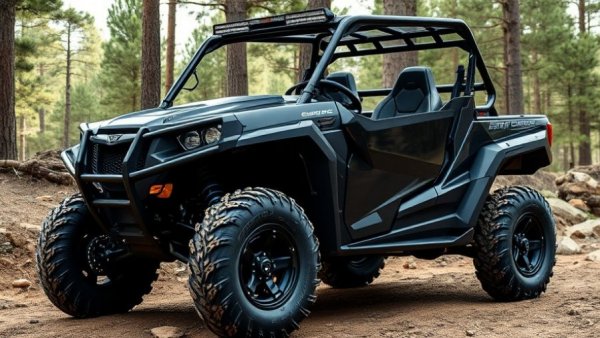
South Carolina’s Game-Changer for Side-By-Sides
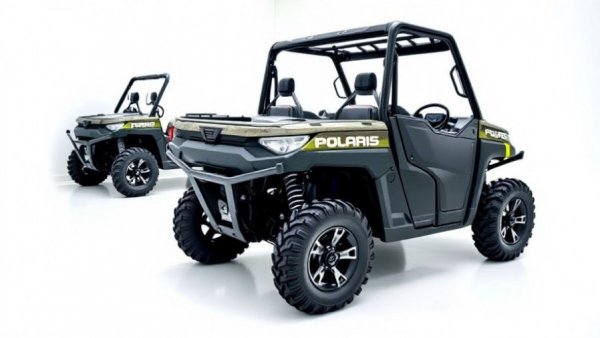
On November 18, 2026, South Carolina officially opened the doors for side-by-side owners to legally take their vehicles onto public roads. Thanks to Act 164, qualifying Utility Task Vehicles (UTVs) like the Polaris RZR or Can-Am Maverick can now be registered and insured for on-road use. This significant development blurs the line between recreational machinery and practical transportation, enticing many off-road enthusiasts and rural residents alike.
What Qualifies as Roadworthy?
However, not all UTVs are eligible for this new freedom. The law stipulates that vehicles must have four-wheel drive, engine displacement above 450cc, a top speed exceeding 55 miles per hour, and a maximum width of 80 inches. Other requirements include operational headlights, taillights, turn signals, seat belts, and liability insurance. Registration costs a mere $10 for two years, but drivers must hold a valid driver's license and meet age requirements, notably with youngsters under 21 needing helmets.
Rethinking Rural Transportation
This change benefits rural communities significantly, as side-by-sides often facilitate transportation between properties, equipment hauling, and supply runs without necessitating the heft of a full-size pickup truck. Major manufacturers like Honda and Kawasaki stand to gain as buyers increasingly view these machines as viable transportation options rather than just recreational toys.
Safety and Concerns
While this law could introduce fresh opportunities, it raises concerns regarding safety. UTVs don’t adhere to the same crash standards as standard vehicles. This reality begs the question: can they safely share the road with larger vehicles like SUVs and trucks? The law even includes liability protections for manufacturers and dealers concerning accidents with UTVs on public streets, putting more emphasis on accountability.
Looking Ahead
Ultimately, the decision to let side-by-sides operate on public roads may foster a new dynamic in transportation. It might not be about replacing traditional vehicles but expanding the utility of machines that are already in use. The future of South Carolina's rural transportation just got more intriguing, and only time will tell if it’s a boon for convenience or a source of new traffic headaches.











Write A Comment