
Rider Safety News
Rider Safe News
  • Home
  • Categories
  • Featured Business Profiles
  • Moto Rally News & Motorcycle Sweepstakes
July 24.2025
1 Minute Read

Motorcycle Safety Tips You Must Know Before Your Next Ride

Did you know that while motorcycles account for less than 3% of registered vehicles in the United States, motorcyclists represent 14% of all traffic fatalities? This stark reality highlights the critical need for every motorcycle rider to prioritize safety—long before hitting the ignition. Whether you’ve just started riding a motorcycle or have years of experience, practicing effective motorcycle safety tips can mean the difference between an enjoyable ride and becoming another troubling statistic. Ready to take charge of your safety? Let’s dive in.
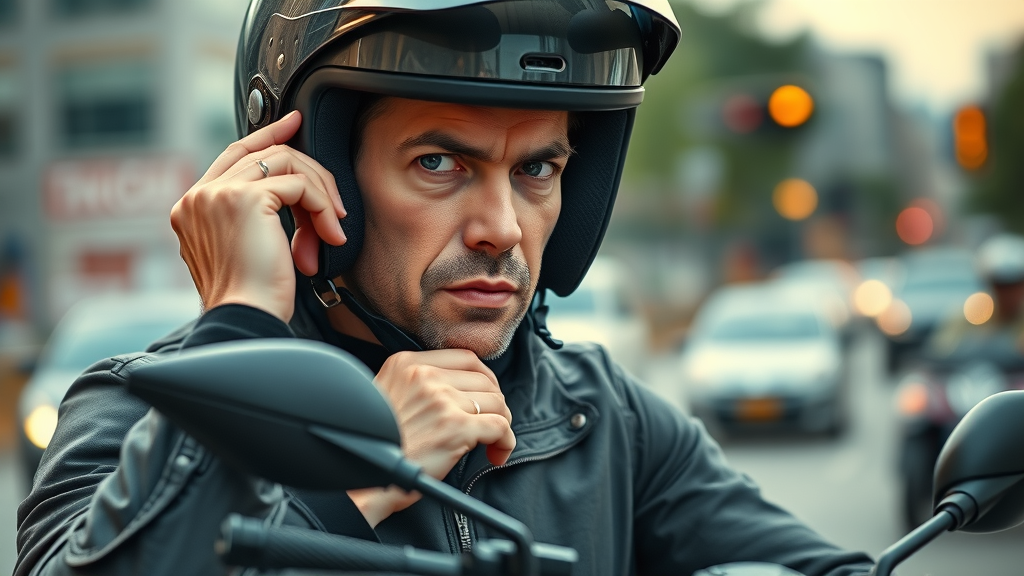
motorcycle safety tips: motorcycle rider adjusting protective helmet in urban setting, bright colored gear, focused expression, blurred city traffic

Mastering Motorcycle Safety Tips for Every Motorcycle Rider

Being a motorcycle rider is exhilarating, but your safety should always come first. Mastering motorcycle safety tips involves more than just wearing protective gear; it means understanding the road, your abilities, and other road users. Whether you're cruising city streets or tackling winding country roads, these insights will help you stay prepared for any situation.

Start by routinely reviewing the basics: always perform pre-ride checks, plan your route, and dress for visibility. Defensive driving is essential—ride as if you’re invisible to others because many drivers simply do not see motorcyclists. Stay aware of your surroundings and be ready to react to changing traffic conditions. Incorporating these motorcycle safety tips into your routine will not only help you stay safe but also enhance the enjoyment and confidence you feel while motorcycle riding.

For a deeper understanding of the risks motorcyclists face and how accident trends are evolving, you may find it helpful to review recent motorcycle crash statistics in the USA . This data-driven perspective can further inform your approach to safety and highlight areas where extra caution is warranted.

Understanding the Reality of Motorcycle Safety and Motorcycle Accidents

The risks faced by motorcycle riders are vastly different from those encountered by people driving a car. Without the protective shell that cars provide, riders are far more vulnerable to road hazards and inattentive road users. According to the National Motorcycle Safety Foundation, the number of motorcyclists killed in traffic fatalities continues to rise, often due to preventable causes. Public awareness campaigns and rider education are crucial to reversing these statistics, yet the onus remains on each individual to commit to motorcycle safety.

Motorcycle accidents frequently occur when least expected—whether while changing lanes, negotiating road tracks, or reacting to sudden obstacles. Studies show that a significant percentage of motorcycle accidents happen at intersections and involve other vehicles failing to yield. Experienced riders know that developing a keen sense of awareness, honed through instruction and experience, can dramatically reduce the chances of becoming another accident statistic. Ultimately, improving your skill level through formal courses and practice remains one of the most reliable ways to stay safe on the road.

motorcycle safety instructor pointing at accident statistics chart, class learning about motorcycle safety and accident prevention

What You’ll Gain from These Motorcycle Safety Tips

  • Enhanced awareness of motorcycle safety fundamentals
  • Actionable advice to prevent motorcycle accidents
  • Strategies to improve your skill level and hazard perception
  • Essential equipment checklists for optimal safety
  • Habits for advanced motorcycle riding in challenging conditions

Improving Your Skill Level: Motorcycle Safety Training for Motorcycle Riders

Regardless of experience, every motorcycle rider benefits from continuous education. Improving your skill level is not just about learning to shift gears or control your bike in a straight line—it’s about understanding and responding to complex traffic situations. Comprehensive motorcycle safety training programs teach advanced defensive driving techniques, emergency braking, and proper lane positioning, crucial for avoiding dangerous scenarios. Rider education also increases your awareness of motorcycling risks and helps you develop the habits necessary for safe riding in all environments.

Formal motorcycle safety courses—such as those offered by the Motorcycle Safety Foundation—offer structured instruction and experience-based learning. These programs often include both classroom sessions and practical, on-cycle instruction, meaning riders can immediately apply what they learn and receive feedback in real time. Making ongoing training part of your riding journey ensures that your skill level grows alongside your confidence every time you take your motorcycle out on the road.

Choosing the Right Motorcycle Safety Courses

Not all safety courses are created equal. When selecting a motorcycle safety course, prioritize those that are certified by recognized organizations like the Motorcycle Safety Foundation or your local transportation authority. Beginner courses typically cover motorcycle operation, basic traffic rules, and safe riding techniques, while advanced classes focus on hazard detection, emergency maneuvers, and handling adverse conditions. Before enrolling, research course content, instructor qualifications, and student reviews to ensure you’re investing in high-quality rider education.

Completing recognized motorcycle safety courses can also have practical benefits beyond improved skills. Many insurance companies offer discounts to riders who have proof of formal safety training, and some states even require course completion for licensing. Regardless of your current skill level, continual education is the foundation of your long-term safety and enjoyment as a motorcycle rider.

Top Motorcycle Safety Tips to Prevent Motorcycle Accidents

  • Always wear a DOT-approved helmet and full protective gear
  • Never ride a motorcycle under the influence
  • Keep your head on a swivel—constant situational awareness is crucial
  • Utilize the 4-second following rule for safe braking distance
  • Obey all road tracks and traffic law warnings
"The moment you think you know it all about motorcycle riding is the moment you become most vulnerable on the road." – Veteran Motorcycle Rider

Lane Splitting and Road Tracks: Motorcycle Safety Tips for Hazardous Situations

Hazardous situations demand heightened caution from every motorcycle rider, particularly when it comes to lane splitting and negotiating road tracks. Understanding these scenarios is central to motorcycle safety, as these moments often test your reaction time and awareness of your surroundings. It's vital for riders to be able to adjust their riding techniques and maintain optimal positioning on the road.

Lane Splitting: Risks, Strategies, and Local Laws

Lane splitting—riding a motorcycle between lanes of slow-moving or stopped traffic—is legal in some jurisdictions but banned in others. Even where it is legal, mastering this maneuver requires advanced skill level and acute awareness. Motorcycle riders must gauge the size of available gaps, the behavior of surrounding vehicles, and the flow of traffic with precision. The key is to keep your speed low, be ready to brake instantly, and make yourself visible to drivers who might change lanes suddenly.

Before attempting lane splitting, familiarize yourself with local regulations and seek out rider education specific to this practice. Remember: just because you can doesn’t always mean you should. Always evaluate traffic conditions and avoid lane splitting when visibility is poor, traffic is unpredictable, or your skill level is not up to the challenge. Safe riding means balancing assertiveness with caution.

motorcycle safety tips: alert motorcyclist safely lane splitting in dense traffic, urban highway evening lights

Negotiating Railroad and Road Tracks Safely

Road tracks—whether they’re for trains or part of roadway construction—pose unique dangers to motorcycles. Slippery metal, uneven surfaces, and unexpected gaps can easily lead to loss of traction or control. The best motorcycle safety tip when approaching tracks is to cross at a 90-degree angle, reducing the chance of your tires slipping. Slow down, maintain a steady throttle, and avoid changing lanes or braking sharply when on top of the tracks.

Additionally, be mindful of wet conditions, as tracks become even slicker in rain. Always look ahead for signage warning of upcoming road tracks, and adapt your speed and position as needed. Defensive driving practices, like staying aware of your surroundings and anticipating other road users’ behavior, are especially vital in these situations to avoid a motorcycle accident.

Essential Safety Gear for Every Motorcycle Rider

Gear Minimum Standard Safety Benefit
Helmet DOT/ECE Certified Head and brain protection
Jacket Abrasion-Resistant Spine, elbow, shoulder protection
Gloves Reinforced Hand/wrist protection
Pants Kevlar/Leather Leg and hip protection
Boots Over-Ankle Foot/ankle protection

The most effective way to stay safe as a motorcycle rider is to wear the right protective gear on every trip, regardless of its length or the weather conditions. A DOT-approved helmet is non-negotiable; it can reduce the chance of fatal injuries by nearly 40%. Jackets and pants made from abrasion-resistant material, reinforced gloves, and over-ankle boots collectively safeguard you from head to toe. Investing in high-quality gear isn’t just for looks—it’s a direct investment in your safety and longevity as a rider.

full set of motorcycle safety gear for riders, including helmet, jacket, gloves, pants, and boots, arranged in garage

Motorcycle Riding Checklist: Prep Strategies for Safer Journeys

  • Conduct a full pre-ride inspection: tires, brakes, lights, fluids
  • Confirm all gear fits comfortably and securely
  • Plot your route and check weather conditions
  • Inform someone of your travel plans

Consistency is key—make pre-ride checks a ritual. Begin with tire pressure and tread wear, as these critical points affect traction and handling. Inspect brakes and lights to ensure they’re functioning optimally, and don’t overlook fluid levels for smooth operation. By prioritizing this checklist, you greatly reduce the likelihood of an unexpected breakdown or safety hazard on the road.

Your safety gear should always fit properly; ill-fitting helmets or gloves can be a distraction or even dangerous in a crash. Finally, let someone know your travel plans—this simple step could prove invaluable in the unlikely event of an emergency. With these motorcycle safety tips in mind, even experienced riders can shift gears toward safer journeys.

motorcycle safety tips: rider conducting pre-ride inspection of tires and brakes at home driveway

Advanced Motorcycle Safety Tips for Experienced Motorcycle Riders

As your skill level improves, so should your approach to motorcycle safety. Advanced riders know that the basics never go out of style, and expanding your repertoire of techniques keeps you ahead of new challenges. Emphasis should shift toward refining hazard recognition, managing fatigue, and adapting to unpredictable weather and traffic patterns for safe riding.

Maintain humility no matter how many miles you’ve logged. Regularly undertake advanced courses, join group rides to learn from peers, and remain alert to updates in road tracks and rules of the road. The reality is: even experienced riders are at risk when complacency sets in or bad habits go unchecked.

Head on a Swivel: Maintaining Peak Awareness

Experienced motorcycle riders often tout the value of riding with your “head on a swivel.” This means constantly assessing your environment—mirrors, blind spots, and what’s ahead—for threats. Vigilance is especially important in multi-lane traffic where vehicles can abruptly change lanes, and in dense urban areas where road users may act unpredictably.

Building this habit takes practice. Defensive driving principles suggest that the best way to avoid a motorcycle accident is to identify risks early and position yourself to escape danger zones. Whether you're overtaking, merging onto highways, or waiting at lights, proactive awareness will keep you safer than any single piece of gear.

Adapting Your Riding Technique to Weather and Traffic

Weather and traffic conditions can change rapidly, demanding flexible strategies from even the most adept motorcycle rider. Wet roads or heavy rain amplify the hazards presented by road tracks, painted lines, and slick surfaces; visibility for all road users is reduced, making it harder for drivers to see your motorcycle. Slow down, increase your following distance, and avoid abrupt movements. If you're new to riding a motorcycle in rain, practice in safe areas before venturing onto busy streets.

In dense traffic, use your head on a swivel and plan evasive maneuvers in advance. Maintain a buffer zone between you and other vehicles, and signal your intentions early. The difference between a safe ride and a close call often lies in your readiness to adapt your riding technique swiftly whenever conditions demand it.

motorcycle safety tips: experienced rider carefully riding motorcycle in rain, reflective city street, vibrant rain gear

Real-World Motorcycle Rider Stories: Lessons from the Road

There is no substitute for insights gained through real-life experiences. Many motorcycle riders admit that the lessons they remember most are those learned outside the classroom—during unexpected events on actual rides. From narrowly avoiding collisions thanks to timely actions, to weathering treacherous conditions by following their training, these stories drive home the value of preparedness and humility.

Riders who continually seek instruction and refresh their skills often recount positive outcomes in situations that could have turned disastrous. Others point to the moments when employing their “head on a swivel” mentality, or sticking to the pre-ride checklist, directly averted accidents. Whether you’re just getting started riding a motorcycle or have been at it for decades, reflecting on these anecdotes can help reinforce your commitment to best practices every time you ride.

"Had I not completed my advanced motorcycle safety class, I might not have known how to respond in time to avoid a head-on collision." – Experienced Rider

People Also Ask: Addressing Common Motorcycle Safety Concerns

What are the safety tips for motorcycle riders?

Motorcycle riders should always wear a DOT-approved helmet and full protective gear, avoid riding under the influence, keep a safe following distance, obey all road tracks and traffic rules, and maintain situational awareness by keeping their head on a swivel. Consistent pre-ride inspections and ongoing skill development can drastically improve motorcycle safety.

Where do 70% of motorcycle accidents occur?

Statistics indicate that nearly 70% of motorcycle accidents occur at intersections. These hazardous zones are often the result of drivers failing to notice motorcycles while turning or changing lanes. Increasing awareness at intersections and adopting defensive driving strategies can help motorcycle riders reduce their risk of being involved in such accidents.

What is the 4 second rule for motorcycles?

The 4-second rule refers to maintaining a minimum four-second following distance behind the vehicle in front of you. This gap gives a motorcycle rider ample time to react to sudden stops, obstacles, or changes in traffic flow, dramatically reducing the chances of a motorcycle accident caused by inadequate braking distance.

What kills motorcyclists the most?

The leading cause of fatal injuries for motorcyclists is head trauma, often due to not wearing a helmet. Other top contributing factors include collisions with vehicles at intersections, high speed, impaired riding, and loss of control on road tracks or hazardous surfaces. Adhering to core motorcycle safety tips can help mitigate these risks significantly.

FAQs About Motorcycle Safety Tips and Motorcycle Riding

  • How often should you check your motorcycle before riding? – Perform a thorough check before every ride.
  • Is lane splitting safe for new motorcycle riders? – Only in jurisdictions where permitted and only if you are appropriately skilled.
  • What’s the biggest mistake riders make regarding motorcycle safety? – Overestimating their skill level and ignoring basic precautions.

Key Steps for Incorporating Motorcycle Safety Tips into Every Ride

  • Attend regular motorcycle safety courses to refresh and update your skills.
  • Create a habit of full-gear motorcycle riding, even for short journeys.
  • Deploy situational awareness by keeping your head on a swivel.
  • Follow local regulations about lane splitting and always assess road tracks and traffic conditions.
  • Commit to continuous improvement, regardless of prior motorcycle rider experience.

Watch practical demonstrations of essential safety practices and learn how to enhance your motorcycle safety skills in just a few minutes. Visual guides help reinforce the most critical points for every rider, new or experienced.

Hear real motorcycle riders share their experiences, describing how specific training tips and safety habits made all the difference in life-threatening situations. Lessons from the road can inspire and inform your next ride.

A Safer Road Starts with These Motorcycle Safety Tips

Take action: integrate these motorcycle safety tips into every ride, sign up for ongoing training, and never stop seeking ways to stay safe on two wheels.

As you continue to refine your riding skills and safety habits, remember that every environment brings its own set of challenges. Riding in extreme conditions, such as high heat, requires additional preparation and awareness to protect both your health and your performance on the road. For expert advice on staying cool, hydrated, and alert during hot weather rides, explore these essential safety tips for riding in the heat . Expanding your knowledge in this area will help you stay resilient and safe, no matter where your next journey takes you.

The Safe Ride Series

41 Views

0 Comments

Write A Comment

*
*
Please complete the captcha to submit your comment.
Related Posts All Posts
10.05.2026

Understanding PTSD After a Car Accident: Essential Insights for Recovery

Update Understanding PTSD: Beyond Physical Injuries A car accident can be a life-altering event, with tangible consequences such as broken bones or cuts that are immediately apparent. However, invisible wounds, particularly those related to mental health, are often overlooked. Post-Traumatic Stress Disorder (PTSD) is recognized as a serious psychological condition that can stem from traumatic events like car accidents. While many individuals recover physically from a crash, the emotional repercussions can linger and even intensify over time. What is PTSD and How Can It Develop After a Collision? PTSD is a common response to traumatic experiences, characterized by varied symptoms that affect each individual differently. Unlike physical injuries, the signs of PTSD may not manifest immediately following the incident. Some victims may show symptoms right away, while others might only begin to struggle weeks or even months later. Not everyone involved in an accident will develop PTSD, but recognizing the psychological toll is crucial for comprehensive recovery. Common Signs of PTSD: Are You or a Loved One Affected? PTSD manifests in a range of symptoms that can deeply impact one’s daily life. Key indicators include: Flashbacks or intrusive recollections of the accident Nightmares related to the crash Increased anxiety when driving or riding in vehicles Avoidance of locations associated with the accident Hypervigilance and exaggerated startle responses Social withdrawal and loss of interest in activities Recognizing these signs allows individuals and their family members to seek the necessary support. Mental health professionals are equipped to evaluate these symptoms and determine if PTSD, or a related condition, is present. Early intervention can significantly enhance the chances of a positive outcome. The Ripple Effects of PTSD on Life and Relationships PTSD's repercussions can disrupt various aspects of life beyond just driving. It can lead to avoidance behaviors that hinder not only personal freedom but also professional capabilities and relationships. For instance, someone once comfortable with driving to work may now fear using highways. This avoidance can spiral into further isolation - possibly missing social gatherings or relying on others for transportation, which may lead to feelings of guilt and frustration. Furthermore, chronic sleep issues stemming from PTSD can result in fatigue and concentration problems, ultimately impacting job performance and relationships with colleagues and family members. These challenges highlight the importance of comprehensive care that incorporates both physical and psychological treatment following an accident. Why Getting a Professional Diagnosis is Essential Just as visible injuries require medical documentation, so too do psychological injuries. A qualified healthcare professional can provide a diagnosis of PTSD through a clinical assessment of the person’s symptoms and how they've affected their daily life. Accurate documentation is vital, especially for personal injury claims, as it substantiates the emotional distress faced by the victim beyond what can be seen. Conclusion: Awareness is Key to Healing While car accidents can have visible consequences, it's imperative to address the emotional fallout as well. Understanding the symptoms of PTSD following trauma can pave the way toward recovery, not only for those affected but also for their loved ones who may struggle to support them. If you or someone you know is dealing with these challenges, don’t hesitate to reach out to a mental health professional. Acknowledging the psychological impact of trauma is a critical step in healing and reclaiming a sense of normalcy in life.

10.01.2026

What to Know About Rideshare Insurance Coverage Gaps After a Motorcycle Crash

Update The Importance of Understanding Rideshare Insurance Coverage When a motorcycle crash involves a rideshare vehicle, understanding the nuances of insurance coverage can feel like navigating a complex labyrinth. Picture yourself enjoying a pleasant ride, only to suddenly share the road with a vehicle displaying a rideshare sticker. As any motorcyclist knows, safety is paramount, but so too is being informed about the insurance implications that follow a crash. What Happens Immediately After a Collision? It’s crucial to maintain your composure following a motorcycle crash. First and foremost, check on your wellbeing and ensure you're safely off the road. After that, begin gathering evidence around you. Grab your smartphone to document the scene with photographs, obtain witness statements, and ensure the police report accurately reflects the incident. Understanding the rideshare vehicle's app status can be a game-changer when it comes to determining liability and insurance coverage. How App Status Impacts Insurance Coverage Once things settle down, turn your attention to the driver’s app status. Insurance coverage depends considerably on whether the driver was offline, waiting for a request, or actively engaged in a ride. If the driver was offline, their personal auto insurance is likely the first line of support. However, if they were logged into their app, determining which rideshare company’s policy will kick in becomes essential. For example, if the driver was waiting for a ride—a gray area—it’s essential to note that they may only have limited rideshare coverage. In Nevada, liability limits can vary significantly, depending on the app status during the crash, which can create substantial gaps in coverage. Knowing these details can make or break your case. Exploring Your Options: Insurance Policies After a rideshare accident, several insurance policies may come into play: The Driver’s Personal Auto Policy: If the driver was offline, this policy is usually the first avenue you should explore. The Rideshare Platform’s Policy: Once the driver is logged in, the rideshare company's policy is activated, with varying degrees of coverage depending on their app status. Your Motorcycle Policy: Your own uninsured and underinsured motorist coverage might offer additional layers of protection, especially if the at-fault driver lacks adequate insurance. Assessing each policy’s terms will determine whether you have a solid claim or face hurdles. Future Predictions and Key Takeaways As the popularity of ridesharing grows, so too does the complexity of insurance coverage. Ongoing adjustments to regulations could introduce different liability limits and coverage complexities. For both motorcyclists and rideshare drivers, staying informed on the latest laws is critical. Engaging with a personal injury attorney can provide insight into the specific policies and regulations that will affect your case. They can illuminate the gaps and potential liabilities you may not yet have considered. Conclusion: Take Action In the world of motorcycle accidents involving rideshare vehicles, knowledge is power. Understanding these coverage nuances not only helps in navigating the aftermath of an accident but also serves as a crucial step in keeping yourself protected on the open road. Always gather evidence, be aware of the app status during the crash, and don’t hesitate to reach out to a trusted attorney. Your safety and understanding of the complexities behind rideshare insurance could save you from potential financial hardships down the line. Riding safely is your first priority, but being prepared for the unexpected is a close second!

09.28.2026

What Pain and Suffering Truly Means for Nevada Motorcycle Riders

Update Understanding Nevada’s Concept of Pain and SufferingNevada’s approach to compensating injured individuals includes non-economic damages which cover more than just the visible expenses accrued after an accident. These damages encompass intangible losses, such as physical pain, mental anguish, and a diminished quality of life. Accidents—notably motorcycle crashes—can incur significant bills, the costs of which are easy to tally: ambulance rides, hospital stays, and repair estimates are straightforward figures. However, the emotional and psychological toll often remains unquantifiable, yet profoundly impacts daily existence.The Hidden Costs of an InjuryConsider this: losing the ability to enjoy life without the hassle of tallying up receipts. Injuries often come with silent losses—like sleepless nights or the inability to lift your child. Those experiences lack a price tag but are essential for quality of life. Nevada recognizes these feelings as part of the pain and suffering metric: the frustrations of not being able to return to everyday activities, such as riding your beloved motorcycle or participating in family outings. If riding was a source of joy and clarity, its loss counts heavily in the emotional landscape of an injured individual.The Emotional Spectrum of PainPain goes beyond a simple number on a scale; it encompasses numerous factors. How many times has the pain disrupted your sleep, altered your daily routine, or changed how you engage with loved ones? The impact of mental suffering—which can manifest as anxiety, grief, or even depression—can be just as significant as physical harm. For some, even the stress of not being able to drive comfortably can lead to severe lifestyle changes. A rideshare driver terrified of getting back on the road, or a parent struggling with nightmares of the accident, illustrates how far-reaching pain can be.Loss of Enjoyment of Life: A Real-World Example‘Loss of enjoyment of life’ might sound like legal jargon, but in reality, it represents a significant shift in an injured person’s lifestyle. Imagine being unable to pursue hobbies that once brought joy. This might mean a passionate motorcyclist can no longer cruise along scenic routes due to persistent pain, or someone who loved coaching youth sports is sidelined indefinitely. These changes, no matter their magnitude, collectively define a very real loss.Valuing the Invaluable: How Nevada Calculates Non-Economic LossesNevada doesn’t offer a fixed formula for determining non-economic damages like pain and suffering, leaving judgments often up to a jury’s interpretation based on presented evidence. Witness testimonies, medical records, and even photos can provide context for the daily struggles that accompany injuries. Descriptions must be authentic; stating simply, ‘my shoulder hurts,’ lacks impact, whereas detailing how you can no longer reach for a glass or enjoy a full night’s sleep lends weight to the claim. Moreover, Nevada’s modified comparative-negligence rule affects potential compensation. Being slightly at fault might reduce your award, but not completely cut you off from recovery if you can demonstrate fault on the other side.Your Life Matters: The Fight for Adequate CompensationInsurance companies often focus on easily identifiable expenses, pushing back against claims that seek compensation for emotional distress or lost enjoyment of life. However, it’s crucial to advocate for these non-economic damages, as they represent real, significant losses. Organizations like Legal Ride aim to support the injured—especially riders—by fighting for rightful compensation. As injury advocates, they understand the unique challenges that come with motorcycle accidents and aim to bridge the gap between tangible and intangible damages.Conclusion: The Importance of Legal AdvocacyFor anyone affected by a severe injury, understanding the depths of pain and suffering in Nevada is essential. Legal support is vital in ensuring that those whose lives have been disrupted by accidents receive rightful compensation. Remember, your experience and how it has altered your daily life is not just a story; it’s integral to defining your value in a legal context. Advocate for your rights and engage legal help to navigate these complex waters.

Rider Safety News

Rider Safety News centers on motorcycle crash prevention, legal rights education, injury mitigation techniques, rally news, and expert insights tailored for motorcycle riders.

ADVERTISE
Rider Safe News
SeamanDan.com
SeamanDan Media Press Pass

ABOUT US

SeamanDan LLC is a modern news media agency creating niche digital channels that inform and engage. We specialize in launching focused platforms that deliver impactful content.  Our current brands include:
Parallel Health World
AI Insights Hub
MLM News AI
Rider Safe News
Meme Crypto News
Rugged Trails Network
Recreation Wave

Outdoor Odyssey News
Eco-Innovation Hub
Metal Green Innovators
Autism Foundation News

At SeamanDan LLC, we don't just report the news, we create platforms that build communities, foster trust, and drive forward-thinking conversations.  Can we build a channel for you?

© 2026 SeamanDan LLC All Rights Reserved. 810 N Main St #187, Spearfish, SD 57783 . Contact Us . Terms of Service . Privacy Policy

eyJjb21wYW55IjoiU2VhbWFuRGFuIExMQyIsImFkZHJlc3MiOiI4MTAgTiBNYWluIFN0ICMxODciLCJjaXR5IjoiU3BlYXJmaXNoIiwic3RhdGUiOiJTRCIsInppcCI6IjU3NzgzIiwiZW1haWwiOiJzZWFtYW5kYW5Ac2VhbWFuZGFuLmNvbSIsInRvcyI6IlBIQStQSE4wY205dVp6NDhaVzArVjJobGJpQjViM1VnYzJsbmJpMXBiaUIzYVhSb0lIVnpMQ0I1YjNVZ1lYSmxJR2RwZG1sdVp5WnVZbk53T3lCNWIzVnlJSEJsY20xcGMzTnBiMjRnWVc1a0lHTnZibk5sYm5RZ2RHOGdjMlZ1WkNCNWIzVWdaVzFoYVd3Z1lXNWtMMjl5SUZOTlV5QjBaWGgwSUcxbGMzTmhaMlZ6TGlCQ2VTQmphR1ZqYTJsdVp5QjBhR1VnVkdWeWJYTWdZVzVrSUVOdmJtUnBkR2x2Ym5NZ1ltOTRJR0Z1WkNCaWVTQnphV2R1YVc1bklHbHVJSGx2ZFNCaGRYUnZiV0YwYVdOaGJHeDVJR052Ym1acGNtMGdkR2hoZENCNWIzVWdZV05qWlhCMElHRnNiQ0IwWlhKdGN5QnBiaUIwYUdseklHRm5jbVZsYldWdWRDNDhMMlZ0UGp3dmMzUnliMjVuUGp3dmNENEtDanh3UGp4aElHaHlaV1k5SW1oMGRIQnpPaTh2Y21sa1pYSnpZV1psYm1WM2N5NWpiMjBpSUhSaGNtZGxkRDBpWDNObGJHWWlQbWgwZEhCek9pOHZjbWxrWlhKellXWmxibVYzY3k1amIyMDhMMkUrUEM5d1Bnb0tQSEErSm01aWMzQTdQQzl3UGdvS1BIQStQSE4wY205dVp6NVRSVkpXU1VORlBDOXpkSEp2Ym1jK1BDOXdQZ29LUEhBK1YyVWdjSEp2ZG1sa1pTQmhJSE5sY25acFkyVWdkR2hoZENCamRYSnlaVzUwYkhrZ1lXeHNiM2R6SUhsdmRTQjBieUJ5WldObGFYWmxJSEpsY1hWbGMzUnpJR1p2Y2lCbVpXVmtZbUZqYXl3Z1kyOXRjR0Z1ZVNCcGJtWnZjbTFoZEdsdmJpd2djSEp2Ylc5MGFXOXVZV3dnYVc1bWIzSnRZWFJwYjI0c0lHTnZiWEJoYm5rZ1lXeGxjblJ6TENCamIzVndiMjV6TENCa2FYTmpiM1Z1ZEhNZ1lXNWtJRzkwYUdWeUlHNXZkR2xtYVdOaGRHbHZibk1nZEc4Z2VXOTFjaUJsYldGcGJDQmhaR1J5WlhOeklHRnVaQzl2Y2lCalpXeHNkV3hoY2lCd2FHOXVaU0J2Y2lCa1pYWnBZMlV1SUZsdmRTQjFibVJsY25OMFlXNWtJR0Z1WkNCaFozSmxaU0IwYUdGMElIUm9aU0JUWlhKMmFXTmxJR2x6SUhCeWIzWnBaR1ZrSUNaeGRXOTBPMEZUTFVsVEpuRjFiM1E3SUdGdVpDQjBhR0YwSUhkbElHRnpjM1Z0WlNCdWJ5QnlaWE53YjI1emFXSnBiR2wwZVNCbWIzSWdkR2hsSUhScGJXVnNhVzVsYzNNc0lHUmxiR1YwYVc5dUxDQnRhWE10WkdWc2FYWmxjbmtnYjNJZ1ptRnBiSFZ5WlNCMGJ5QnpkRzl5WlNCaGJua2dkWE5sY2lCamIyMXRkVzVwWTJGMGFXOXVjeUJ2Y2lCd1pYSnpiMjVoYkdsNllYUnBiMjRnYzJWMGRHbHVaM011UEM5d1Bnb0tQSEErV1c5MUlHRnlaU0J5WlhOd2IyNXphV0pzWlNCbWIzSWdiMkowWVdsdWFXNW5JR0ZqWTJWemN5QjBieUIwYUdVZ1UyVnlkbWxqWlNCaGJtUWdkR2hoZENCaFkyTmxjM01nYldGNUlHbHVkbTlzZG1VZ2RHaHBjbVFnY0dGeWRIa2dabVZsY3lBb2MzVmphQ0JoY3lCVFRWTWdkR1Y0ZENCdFpYTnpZV2RsY3l3Z1NXNTBaWEp1WlhRZ2MyVnlkbWxqWlNCd2NtOTJhV1JsY2lCdmNpQmpaV3hzZFd4aGNpQmhhWEowYVcxbElHTm9ZWEpuWlhNcExpQlpiM1VnWVhKbElISmxjM0J2Ym5OcFlteGxJR1p2Y2lCMGFHOXpaU0JtWldWekxDQnBibU5zZFdScGJtY2dkR2h2YzJVZ1ptVmxjeUJoYzNOdlkybGhkR1ZrSUhkcGRHZ2dkR2hsSUdScGMzQnNZWGtnYjNJZ1pHVnNhWFpsY25rZ2IyWWdaV0ZqYUNCVFRWTWdkR1Y0ZENCdFpYTnpZV2RsSUhObGJuUWdkRzhnZVc5MUlHSjVJSFZ6TGlCSmJpQmhaR1JwZEdsdmJpd2dlVzkxSUcxMWMzUWdjSEp2ZG1sa1pTQmhibVFnWVhKbElISmxjM0J2Ym5OcFlteGxJR1p2Y2lCaGJHd2daWEYxYVhCdFpXNTBJRzVsWTJWemMyRnllU0IwYnlCaFkyTmxjM01nZEdobElGTmxjblpwWTJVZ1lXNWtJSEpsWTJWcGRtVWdkR2hsSUZOTlV5QjBaWGgwSUcxbGMzTmhaMlZ6TGlCWFpTQmtieUJ1YjNRZ1kyaGhjbWRsSUdGdWVTQm1aV1Z6SUdadmNpQmtaV3hwZG1WeWVTQnZaaUJsYldGcGJDQnZjaUJUVFZNdUlGUm9hWE1nYVhNZ1lTQm1jbVZsSUhObGNuWnBZMlVnY0hKdmRtbGtaV1FnWW5rZ2RYTXVJRWh2ZDJWMlpYSXNJSEJzWldGelpTQmphR1ZqYXlCM2FYUm9JSGx2ZFhJZ2FXNTBaWEp1WlhRZ2MyVnlkbWxqWlNCd2NtOTJhV1JsY2lCaGJtUWdZMlZzYkhWc1lYSWdZMkZ5Y21sbGNpQm1iM0lnWVc1NUlHTm9ZWEpuWlhNZ2RHaGhkQ0J0WVhrZ2FXNWpkWElnWVhNZ1lTQnlaWE4xYkhRZ1puSnZiU0J5WldObGFYWnBibWNnWlcxaGFXd2dZVzVrSUZOTlV5QjBaWGgwSUcxbGMzTmhaMlZ6SUhSb1lYUWdkMlVnWkdWc2FYWmxjaUIxY0c5dUlIbHZkWElnYjNCMExXbHVJR0Z1WkNCeVpXZHBjM1J5WVhScGIyNGdkMmwwYUNCdmRYSWdaVzFoYVd3Z1lXNWtJRk5OVXlCelpYSjJhV05sY3k0Z1dXOTFJR05oYmlCallXNWpaV3dnWVhRZ1lXNTVJSFJwYldVdUlFcDFjM1FnZEdWNGRDQW1jWFZ2ZER0VFZFOVFKbkYxYjNRN0lIUnZKbTVpYzNBN1BHaHBaMmhzYVdkb2RDQmpiR0Z6Y3owaVkyOXRjR0Z1ZVZOTlUxQm9iMjVsVlhCa1lYUmxJajV1ZFd4c1BDOW9hV2RvYkdsbmFIUStMaUJCWm5SbGNpQjViM1VnYzJWdVpDQjBhR1VnVTAxVElHMWxjM05oWjJVZ0puRjFiM1E3VTFSUFVDWnhkVzkwT3lCMGJ5QjFjeXdnZDJVZ2QybHNiQ0J6Wlc1a0lIbHZkU0JoYmlCVFRWTWdiV1Z6YzJGblpTQjBieUJqYjI1bWFYSnRJSFJvWVhRZ2VXOTFJR2hoZG1VZ1ltVmxiaUIxYm5OMVluTmpjbWxpWldRdUlFRm1kR1Z5SUhSb2FYTXNJSGx2ZFNCM2FXeHNJRzV2SUd4dmJtZGxjaUJ5WldObGFYWmxJRk5OVXlCdFpYTnpZV2RsY3lCbWNtOXRJSFZ6TGp3dmNENEtDanh3UGp4emRISnZibWMrV1U5VlVpQlNSVWRKVTFSU1FWUkpUMDRnVDBKTVNVZEJWRWxQVGxNOEwzTjBjbTl1Wno0OEwzQStDZ284Y0Q1SmJpQmpiMjV6YVdSbGNtRjBhVzl1SUc5bUlIbHZkWElnZFhObElHOW1JSFJvWlNCVFpYSjJhV05sTENCNWIzVWdZV2R5WldVZ2RHODZQQzl3UGdvS1BHOXNQZ29KUEd4cFBuQnliM1pwWkdVZ2RISjFaU3dnWVdOamRYSmhkR1VzSUdOMWNuSmxiblFnWVc1a0lHTnZiWEJzWlhSbElHbHVabTl5YldGMGFXOXVJR0ZpYjNWMElIbHZkWEp6Wld4bUlHRnpJSEJ5YjIxd2RHVmtJR0o1SUhSb1pTQlRaWEoyYVdObEppTXpPVHR6SUhKbFoybHpkSEpoZEdsdmJpQm1iM0p0SUNoemRXTm9JR2x1Wm05eWJXRjBhVzl1SUdKbGFXNW5JSFJvWlNBbWNYVnZkRHRTWldkcGMzUnlZWFJwYjI0Z1JHRjBZU1p4ZFc5ME95a2dZVzVrUEM5c2FUNEtDVHhzYVQ1dFlXbHVkR0ZwYmlCaGJtUWdjSEp2YlhCMGJIa2dkWEJrWVhSbElIUm9aU0JTWldkcGMzUnlZWFJwYjI0Z1JHRjBZU0IwYnlCclpXVndJR2wwSUhSeWRXVXNJR0ZqWTNWeVlYUmxMQ0JqZFhKeVpXNTBJR0Z1WkNCamIyMXdiR1YwWlM0Z1NXWWdlVzkxSUhCeWIzWnBaR1VnWVc1NUlHbHVabTl5YldGMGFXOXVJSFJvWVhRZ2FYTWdkVzUwY25WbExDQnBibUZqWTNWeVlYUmxMQ0J1YjNRZ1kzVnljbVZ1ZENCdmNpQnBibU52YlhCc1pYUmxMQ0J2Y2lCM1pTQm9ZWFpsSUhKbFlYTnZibUZpYkdVZ1ozSnZkVzVrY3lCMGJ5QnpkWE53WldOMElIUm9ZWFFnYzNWamFDQnBibVp2Y20xaGRHbHZiaUJwY3lCMWJuUnlkV1VzSUdsdVlXTmpkWEpoZEdVc0lHNXZkQ0JqZFhKeVpXNTBJRzl5SUdsdVkyOXRjR3hsZEdVc0lIZGxJR2hoZG1VZ2RHaGxJSEpwWjJoMElIUnZJSE4xYzNCbGJtUWdiM0lnUEhOMGNtOXVaejQ4YzNCaGJpQnpkSGxzWlQwaVkyOXNiM0k2STBaR01EQXdNRHNpUG5SbGNtMXBibUYwWlNCNWIzVnlJR0ZqWTI5MWJuUXZjSEp2Wm1sc1pTQmhibVFnY21WbWRYTmxJR0Z1ZVNCaGJtUWdZV3hzSUdOMWNuSmxiblFnYjNJZ1puVjBkWEpsSUhWelpTQnZaaUIwYUdVZ1UyVnlkbWxqWlNBb2IzSWdZVzU1SUhCdmNuUnBiMjRnZEdobGNtVnZaaWt1UEM5emNHRnVQand2YzNSeWIyNW5Qand2YkdrK0Nqd3ZiMncrQ2dvOGNENG1ibUp6Y0RzOEwzQStDanhvYVdkb2JHbG5hSFFnWTJ4aGMzTTlJbU52YlhCaGJubE9ZVzFsVlhCa1lYUmxJajVUWldGdFlXNUVZVzRnVEV4RFBDOW9hV2RvYkdsbmFIUStQR0p5SUM4K0NqeG9hV2RvYkdsbmFIUWdZMnhoYzNNOUltTnZiWEJoYm5sQlpHUnlaWE56VlhCa1lYUmxJajQ0TVRBZ1RpQk5ZV2x1SUZOMElDTXhPRGNzSUZOd1pXRnlabWx6YUN3Z1UwUWdOVGMzT0RNOEwyaHBaMmhzYVdkb2RENDhZbklnTHo0S1BHaHBaMmhzYVdkb2RDQmpiR0Z6Y3owaVkyOXRjR0Z1ZVZCb2IyNWxWWEJrWVhSbElqNHJNU0EyTnpndE5EYzRMVFEyT1RBOEwyaHBaMmhzYVdkb2RENDhZbklnTHo0S1BHaHBaMmhzYVdkb2RDQmpiR0Z6Y3owaVkyOXRjR0Z1ZVVWdFlXbHNWWEJrWVhSbElqNXpaV0Z0WVc1a1lXNUFjMlZoYldGdVpHRnVMbU52YlR3dmFHbG5hR3hwWjJoMFBnPT0iLCJwcml2YWN5IjoiUEhBK1BITjBjbTl1Wno1UVVrbFdRVU5aUEM5emRISnZibWMrUEM5d1Bnb0tQSEErUEhOMGNtOXVaejVVYUdVZ2FXNW1iM0p0WVhScGIyNGdjSEp2ZG1sa1pXUWdaSFZ5YVc1bklIUm9hWE1nY21WbmFYTjBjbUYwYVc5dUlHbHpJR3RsY0hRZ2NISnBkbUYwWlNCaGJtUWdZMjl1Wm1sa1pXNTBhV0ZzTENCaGJtUWdkMmxzYkNCdVpYWmxjaUJpWlNCa2FYTjBjbWxpZFhSbFpDd2dZMjl3YVdWa0xDQnpiMnhrTENCMGNtRmtaV1FnYjNJZ2NHOXpkR1ZrSUdsdUlHRnVlU0IzWVhrc0lITm9ZWEJsSUc5eUlHWnZjbTB1SUZSb2FYTWdhWE1nYjNWeUlHZDFZWEpoYm5SbFpTNDhMM04wY205dVp6NDhMM0ErQ2dvOGNENDhjM1J5YjI1blBrbE9SRVZOVGtsVVdUd3ZjM1J5YjI1blBqd3ZjRDRLQ2p4d1BqeGxiVDVaYjNVZ1lXZHlaV1VnZEc4Z2FXNWtaVzF1YVdaNUlHRnVaQ0JvYjJ4a0lIVnpMQ0JoYm1RZ2FYUnpJSE4xWW5OcFpHbGhjbWxsY3l3Z1lXWm1hV3hwWVhSbGN5d2diMlptYVdObGNuTXNJR0ZuWlc1MGN5d2dZMjh0WW5KaGJtUmxjbk1nYjNJZ2IzUm9aWElnY0dGeWRHNWxjbk1zSUdGdVpDQmxiWEJzYjNsbFpYTXNJR2hoY20xc1pYTnpJR1p5YjIwZ1lXNTVJR05zWVdsdElHOXlJR1JsYldGdVpDd2dhVzVqYkhWa2FXNW5JSEpsWVhOdmJtRmliR1VnWVhSMGIzSnVaWGx6SmlNek9Uc2dabVZsY3l3Z2JXRmtaU0JpZVNCaGJua2dkR2hwY21RZ2NHRnlkSGtnWkhWbElIUnZJRzl5SUdGeWFYTnBibWNnYjNWMElHOW1JRU52Ym5SbGJuUWdlVzkxSUhKbFkyVnBkbVVzSUhOMVltMXBkQ3dnY21Wd2JIa3NJSEJ2YzNRc0lIUnlZVzV6YldsMElHOXlJRzFoYTJVZ1lYWmhhV3hoWW14bElIUm9jbTkxWjJnZ2RHaGxJRk5sY25acFkyVXNJSGx2ZFhJZ2RYTmxJRzltSUhSb1pTQlRaWEoyYVdObExDQjViM1Z5SUdOdmJtNWxZM1JwYjI0Z2RHOGdkR2hsSUZObGNuWnBZMlVzSUhsdmRYSWdkbWx2YkdGMGFXOXVJRzltSUhSb1pTQlVUMU1zSUc5eUlIbHZkWElnZG1sdmJHRjBhVzl1SUc5bUlHRnVlU0J5YVdkb2RITWdiMllnWVc1dmRHaGxjaTQ4TDJWdFBqd3ZjRDRLQ2p4d1BqeHpkSEp2Ym1jK1JFbFRRMHhCU1UxRlVpQlBSaUJYUVZKU1FVNVVTVVZUUEM5emRISnZibWMrUEM5d1Bnb0tQSEErUEhOMGNtOXVaejVaVDFVZ1JWaFFVa1ZUVTB4WklGVk9SRVZTVTFSQlRrUWdRVTVFSUVGSFVrVkZJRlJJUVZRNlBDOXpkSEp2Ym1jK1BDOXdQZ29LUEc5c1Bnb0pQR3hwUGxsUFZWSWdWVk5GSUU5R0lGUklSU0JUUlZKV1NVTkZJRWxUSUVGVUlGbFBWVklnVTA5TVJTQlNTVk5MTGlCVVNFVWdVMFZTVmtsRFJTQkpVeUJRVWs5V1NVUkZSQ0JQVGlCQlRpQW1jWFZ2ZER0QlV5QkpVeVp4ZFc5ME95QkJUa1FnSm5GMWIzUTdRVk1nUVZaQlNVeEJRa3hGSm5GMWIzUTdJRUpCVTBsVExpQXNMaUJCVGtRZ1ZWTXNJRWxVSmlNek9UdFRJRU5WVTFSUFRVVlNVeXdnUlZoUVVrVlRVMHhaSUVSSlUwTk1RVWxOVXlCQlRFd2dWMEZTVWtGT1ZFbEZVeUJQUmlCQlRsa2dTMGxPUkN3Z1YwaEZWRWhGVWlCRldGQlNSVk5USUU5U0lFbE5VRXhKUlVRc0lFbE9RMHhWUkVsT1J5d2dRbFZVSUU1UFZDQk1TVTFKVkVWRUlGUlBJRlJJUlNCSlRWQk1TVVZFSUZkQlVsSkJUbFJKUlZNZ1QwWWdUVVZTUTBoQlRsUkJRa2xNU1ZSWkxDQkdTVlJPUlZOVElFWlBVaUJCSUZCQlVsUkpRMVZNUVZJZ1VGVlNVRTlUUlNCQlRrUWdUazlPTFVsT1JsSkpUa2RGVFVWT1ZDNDhMMnhwUGdvSlBHeHBQazFCUzBWVElFNVBJRmRCVWxKQlRsUlpJRlJJUVZRZ0tHa3BJRlJJUlNCVFJWSldTVU5GSUZkSlRFd2dUVVZGVkNCWlQxVlNJRkpGVVZWSlVrVk5SVTVVVXl3Z0tHbHBLU0JVU0VVZ1UwVlNWa2xEUlNCWFNVeE1JRUpGSUZWT1NVNVVSVkpTVlZCVVJVUXNJRlJKVFVWTVdTd2dVMFZEVlZKRkxDQlBVaUJGVWxKUFVpMUdVa1ZGTENBb2FXbHBLU0JVU0VVZ1VrVlRWVXhVVXlCVVNFRlVJRTFCV1NCQ1JTQlBRbFJCU1U1RlJDQkdVazlOSUZSSVJTQlZVMFVnVDBZZ1ZFaEZJRk5GVWxaSlEwVWdWMGxNVENCQ1JTQkJRME5WVWtGVVJTQlBVaUJTUlV4SlFVSk1SU3dnUVU1RUlDaHBkaWtnUVU1WklFVlNVazlTVXlCSlRpQlVTRVVnVTA5R1ZGZEJVa1VnVjBsTVRDQkNSU0JEVDFKU1JVTlVSVVF1UEM5c2FUNEtDVHhzYVQ1QlRsa2dUVUZVUlZKSlFVd2dSRTlYVGt4UFFVUkZSQ0JQVWlCUFZFaEZVbGRKVTBVZ1QwSlVRVWxPUlVRZ1ZFaFNUMVZIU0NCVVNFVWdWVk5GSUU5R0lGUklSU0JUUlZKV1NVTkZJRWxUSUVSUFRrVWdRVlFnV1U5VlVpQlBWMDRnUkVsVFExSkZWRWxQVGlCQlRrUWdVa2xUU3lCQlRrUWdWRWhCVkNCWlQxVWdWMGxNVENCQ1JTQlRUMHhGVEZrZ1VrVlRVRTlPVTBsQ1RFVWdSazlTSUVGT1dTQkVRVTFCUjBVZ1ZFOGdXVTlWVWlCRFQwMVFWVlJGVWlCVFdWTlVSVTBnVDFJZ1RFOVRVeUJQUmlCRVFWUkJJRlJJUVZRZ1VrVlRWVXhVVXlCR1VrOU5JRlJJUlNCRVQxZE9URTlCUkNCUFJpQkJUbGtnVTFWRFNDQk5RVlJGVWtsQlRDNDhMMnhwUGdvSlBHeHBQazVQSUVGRVZrbERSU0JQVWlCSlRrWlBVazFCVkVsUFRpd2dWMGhGVkVoRlVpQlBVa0ZNSUU5U0lGZFNTVlJVUlU0c0lFOUNWRUZKVGtWRUlFSlpJRmxQVlNCR1VrOU5JRTlTSUZSSVVrOVZSMGdnVDFJZ1JsSlBUU0JVU0VVZ1UwVlNWa2xEUlNCVFNFRk1UQ0JEVWtWQlZFVWdRVTVaSUZkQlVsSkJUbFJaSUU1UFZDQkZXRkJTUlZOVFRGa2dVMVJCVkVWRUlFbE9JRlJJUlNCVVQxTXVQQzlzYVQ0S1BDOXZiRDRLQ2p4d1BqeHpkSEp2Ym1jK1RFbE5TVlJCVkVsUFRpQlBSaUJNU1VGQ1NVeEpWRms4TDNOMGNtOXVaejQ4TDNBK0NnbzhjRDVaVDFVZ1JWaFFVa1ZUVTB4WklGVk9SRVZTVTFSQlRrUWdRVTVFSUVGSFVrVkZJRlJJUVZRZ1FVNUVJRk5JUVV4TUlFNVBWQ0JDUlNCTVNVRkNURVVnUms5U0lFRk9XU0JFU1ZKRlExUXNJRWxPUkVsU1JVTlVMQ0JKVGtOSlJFVk9WRUZNTENCVFVFVkRTVUZNTENCRFQwNVRSVkZWUlU1VVNVRk1JRTlTSUVWWVJVMVFURUZTV1NCRVFVMUJSMFZUTENCSlRrTk1WVVJKVGtjZ1FsVlVJRTVQVkNCTVNVMUpWRVZFSUZSUExDQkVRVTFCUjBWVElFWlBVaUJNVDFOVElFOUdJRkJTVDBaSlZGTXNJRWRQVDBSWFNVeE1MQ0JWVTBVc0lFUkJWRUVnVDFJZ1QxUklSVklnU1U1VVFVNUhTVUpNUlNCTVQxTlRSVk1nS0VWV1JVNGdTVVlnU0VGVElFSkZSVTRnUVVSV1NWTkZSQ0JQUmlCVVNFVWdVRTlUVTBsQ1NVeEpWRmtnVDBZZ1UxVkRTQ0JFUVUxQlIwVlRLU3dnVWtWVFZVeFVTVTVISUVaU1QwMDZQQzl3UGdvS1BHOXNQZ29KUEd4cFBsUklSU0JWVTBVZ1QxSWdWRWhGSUVsT1FVSkpURWxVV1NCVVR5QlZVMFVnVkVoRklGTkZVbFpKUTBVN1BDOXNhVDRLQ1R4c2FUNVVTRVVnUTA5VFZDQlBSaUJRVWs5RFZWSkZUVVZPVkNCUFJpQlRWVUpUVkVsVVZWUkZJRWRQVDBSVElFRk9SQ0JUUlZKV1NVTkZVeUJTUlZOVlRGUkpUa2NnUmxKUFRTQkJUbGtnUjA5UFJGTXNJRVJCVkVFc0lFbE9SazlTVFVGVVNVOU9JRTlTSUZORlVsWkpRMFZUSUZCVlVrTklRVk5GUkNCUFVpQlBRbFJCU1U1RlJDQlBVaUJOUlZOVFFVZEZVeUJTUlVORlNWWkZSQ0JQVWlCVVVrRk9VMEZEVkVsUFRsTWdSVTVVUlZKRlJDQkpUbFJQSUZSSVVrOVZSMGdnVDFJZ1JsSlBUU0JVU0VVZ1UwVlNWa2xEUlRzOEwyeHBQZ29KUEd4cFBsVk9RVlZVU0U5U1NWcEZSQ0JCUTBORlUxTWdWRThnVDFJZ1FVeFVSVkpCVkVsUFRpQlBSaUJaVDFWU0lGUlNRVTVUVFVsVFUwbFBUbE1nVDFJZ1JFRlVRVHM4TDJ4cFBnb0pQR3hwUGxOVVFWUkZUVVZPVkZNZ1QxSWdRMDlPUkZWRFZDQlBSaUJCVGxrZ1ZFaEpVa1FnVUVGU1ZGa2dUMDRnVkVoRklGTkZVbFpKUTBVN0lFOVNQQzlzYVQ0S0NUeHNhVDVCVGxrZ1QxUklSVklnVFVGVVZFVlNJRkpGVEVGVVNVNUhJRlJQSUZSSVJTQlRSVkpXU1VORkxqd3ZiR2srQ2p3dmIydytDZ284Y0Q0OGRUNUNlU0J5WldkcGMzUmxjbWx1WnlCaGJtUWdjM1ZpYzJOeWFXSnBibWNnZEc4Z2IzVnlJR1Z0WVdsc0lHRnVaQ0JUVFZNZ2MyVnlkbWxqWlN3Z1lua2diM0IwTFdsdUxDQnZibXhwYm1VZ2NtVm5hWE4wY21GMGFXOXVJRzl5SUdKNUlHWnBiR3hwYm1jZ2IzVjBJR0VnWTJGeVpDd2dKbkYxYjNRN2VXOTFJR0ZuY21WbElIUnZJSFJvWlhObElGUkZVazFUSUU5R0lGTkZVbFpKUTBVbWNYVnZkRHNnWVc1a0lIbHZkU0JoWTJ0dWIzZHNaV1JuWlNCaGJtUWdkVzVrWlhKemRHRnVaQ0IwYUdVZ1lXSnZkbVVnZEdWeWJYTWdiMllnYzJWeWRtbGpaU0J2ZFhSc2FXNWxaQ0JoYm1RZ1pHVjBZV2xzWldRZ1ptOXlJSGx2ZFNCMGIyUmhlUzQ4TDNVK1BDOXdQZ29LUEhBK0ptNWljM0E3UEM5d1BnbzhhR2xuYUd4cFoyaDBJR05zWVhOelBTSmpiMjF3WVc1NVRtRnRaVlZ3WkdGMFpTSStVMlZoYldGdVJHRnVJRXhNUXp3dmFHbG5hR3hwWjJoMFBqeGljaUF2UGdvOGFHbG5hR3hwWjJoMElHTnNZWE56UFNKamIyMXdZVzU1UVdSa2NtVnpjMVZ3WkdGMFpTSStPREV3SUU0Z1RXRnBiaUJUZENBak1UZzNMQ0JUY0dWaGNtWnBjMmdzSUZORUlEVTNOemd6UEM5b2FXZG9iR2xuYUhRK1BHSnlJQzgrQ2p4b2FXZG9iR2xuYUhRZ1kyeGhjM005SW1OdmJYQmhibmxRYUc5dVpWVndaR0YwWlNJK0t6RWdOamM0TFRRM09DMDBOamt3UEM5b2FXZG9iR2xuYUhRK1BHSnlJQzgrQ2p4b2FXZG9iR2xuYUhRZ1kyeGhjM005SW1OdmJYQmhibmxGYldGcGJGVndaR0YwWlNJK2MyVmhiV0Z1WkdGdVFITmxZVzFoYm1SaGJpNWpiMjA4TDJocFoyaHNhV2RvZEQ0PSJ9

Terms of Service

Privacy Policy

Core Modal Title

Sorry, no results found

You Might Find These Articles Interesting

T
Please Check Your Email
We Will Be Following Up Shortly
*
*
*