
Did you know that nearly half of bikers involved in a car accident or serious injury case experience long-term psychological injuries like PTSD and depression—yet most never seek the help they need? The visible impact of a crash—broken bones, scars, and road rash—grabs everyone’s attention, but the deeper, invisible wounds to a biker’s mental health often go ignored
Unveiling the Silent Crisis: Startling Facts on PTSD and Depression Among Bikers
- High prevalence of psychological injuries: Many bikers endure significant mental health challenges after a car accident or other personal injury cases, with studies indicating rates of PTSD and depression much higher than the general population.
- Mental health often overlooked: Despite clear evidence of emotional trauma, personal injury cases and legal systems frequently focus almost entirely on physical harm, leaving psychological injuries largely unaddressed.
- The power of support communities: Peer networks can make a world of difference, breaking down stigma and providing emotional support that encourages bikers to seek both medical and legal help for invisible injuries.
What You'll Learn in this Article on Understanding the Invisible Struggles: PTSD and Depression in Bikers
- Key statistics and trends about PTSD and depression in bikers
- How car accident and personal injury cases contribute to psychological injuries
- The interconnectedness of mental health and physical injuries
- Actionable strategies for supporting bikers facing traumatic stress disorder
Defining PTSD and Depression: Psychological Injuries in Bikers
What is Post-Traumatic Stress Disorder and Depression?
When talking about understanding the invisible struggles: PTSD and depression in bikers, it's crucial to grasp what these psychological injuries actually are. Post-traumatic stress disorder (PTSD) is a mental health condition triggered by a terrifying event—often a serious car accident or traumatic personal injury case. Bikers who experience PTSD may have flashbacks, intense anxiety, or nightmares connected to the accident, making it difficult to reclaim normal daily life. Depression can follow close behind, presenting as overwhelming sadness, numbness, irritability, or feelings of hopelessness. For bikers, these issues are often compounded by the loss of independence, physical harm, and the abrupt change from a life of vitality to one that requires recovery and adaptation. Both PTSD and depression can be just as debilitating as physical injuries, sometimes lasting even longer, and requiring professional support for healing.
Importantly, the psychological losses stemming from a motorcycling accident often go unseen, unlike the visible injuries such as broken bones or road rash. Such invisible injuries can be devastating, preventing bikers from returning to the road or fully engaging in daily activities. The impact is also felt deeply by families, friends, and the broader biker community, because untreated PTSD and depression may lead to withdrawal, substance abuse, sleep disorders, or even self-harm. Mental health specialists stress the importance of integrated treatment for both the physical and psychological injuries encountered in personal injury cases involving bikers.
For a deeper dive into the specific challenges faced by motorcycle crash survivors and how PTSD manifests in this community, you may find it helpful to explore additional insights on PTSD in motorcycle crash survivors and the unique struggles they encounter during recovery.
Psychological Injuries After a Car Accident or Personal Injury
A car accident or significant personal injury case can create a perfect storm for emotional trauma. The sudden violence and unpredictability of a crash often causes the brain to react with intense fear or distress—sometimes triggering traumatic stress disorder that surfaces immediately or months later. Even after physical injuries heal, every close call on the road, every loud noise, or every vivid memory can trigger flashbacks or anxiety attacks, making everyday tasks overwhelming.
Besides trauma from the actual accident, the entire process of recovery—doctor visits, surgeries, and insurance claims—can further magnify stress. Many bikers may develop depression, anxiety, or chronic sleep issues tied to the trauma they've endured. Too often, they are told to “tough it out” and focus on their physical recovery, with little acknowledgment of the mental burden. If left untreated, psychological injuries can sabotage progress, making it nearly impossible to move forward confidently—increasing the risk of long-term disability, unemployment, or disconnection from vital social networks.
"The scars you can’t see are the hardest to heal." – Anonymous biker
Causes and Triggers: Car Accidents, Personal Injury, and Motorcycle Injury Cases
The Role of Car Accident Trauma in Injury Cases
For any biker, the aftermath of a car accident isn’t just a legal or medical problem—it’s a deeply personal, life-altering event. A crash, whether caused by another vehicle’s negligence or hazardous road conditions, often leaves riders with lasting psychological scars. The shock of a traumatic event can manifest as nightmares, hypervigilance (being excessively alert to danger), and a pervasive sense of unease that colors everyday experiences. These are hallmarks of traumatic stress disorder, and they’re far more common than many realize among those involved in personal injury cases following a serious accident.
Unfortunately, the focus in most injury cases remains on visible harm—broken bones, lacerations, or traumatic brain injuries. However, research shows that every physical injury increases the odds of developing PTSD and depression, especially when pain lingers or recovery is slow. The process of reliving the accident during police reports, insurance claims, or legal consultations only adds to the psychological toll. For some bikers, the fear of future accidents can be paralyzing, robbing them of their confidence on the road and leading to avoidant behavior that shrinks their world.
Personal Injury Claims and the Psychological Toll
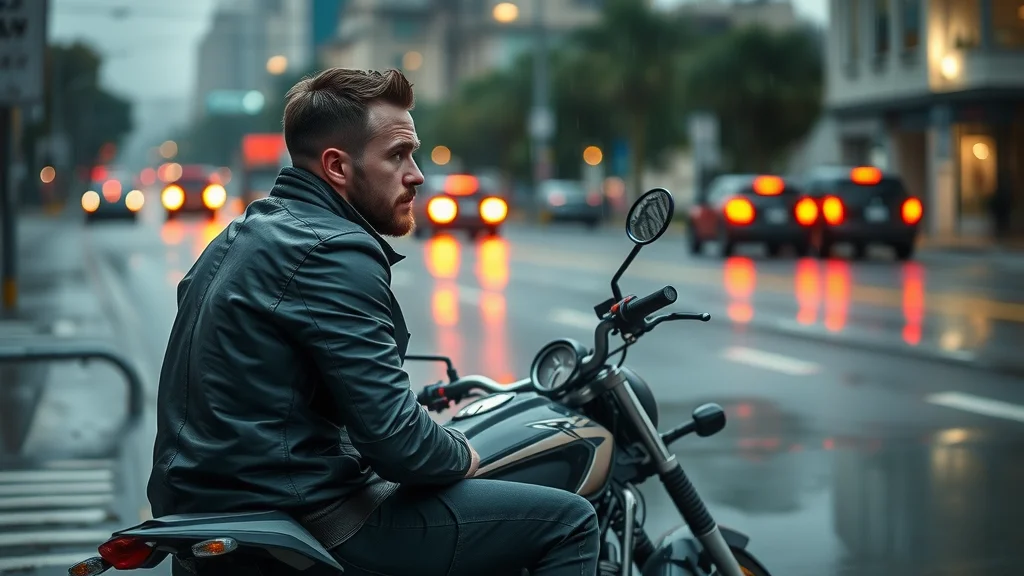
The path through a personal injury claim is often a marathon, not a sprint—and the psychological toll can be every bit as intense as the recovery from physical injuries. Bikers seeking justice after an injury case frequently face a barrage of paperwork, endless phone calls, and repeated reminders of their trauma. It’s not uncommon for the legal process itself to reignite feelings of helplessness, anger, and isolation. As bikers recount the details of a car accident for their injury case, they are forced to relive distressing moments, which can worsen PTSD symptoms and deepen depression.
The net result? Chronic stress, frustration, and a sense of injustice—all potent triggers for PTSD and depression after a personal injury case
Physical Injuries Versus Psychological Injuries
While physical injuries are visible—plastered casts, healing wounds, or limps—psychological injuries such as PTSD, anxiety, and depression remain mostly invisible but are routinely just as debilitating. Bikers often confront both simultaneously after a crash. The pain from broken bones or traumatic brain injury is compounded by the persistent turmoil of sleepless nights, flashbacks, and avoidance behaviors. Personal injury cases can be overwhelming because victims are forced to fight battles on two fronts: physical and mental.
The truth is that psychological injuries can outlast physical harm, shaping a biker’s identity and outlook for years to come. Without proper intervention, what starts as an understandable stress reaction can harden into a long-term struggle, affecting not only one’s health but the ability to maintain relationships, a job, or even a sense of self. It is essential for both legal and medical systems to manage these dual injuries in tandem—only then can recovery from a personal injury claim be truly comprehensive and lasting.
The Biker Experience: Unique Aspects of Mental Health and Traumatic Stress
Breaking Down the Culture: Why Bikers May Hide Psychological Injuries
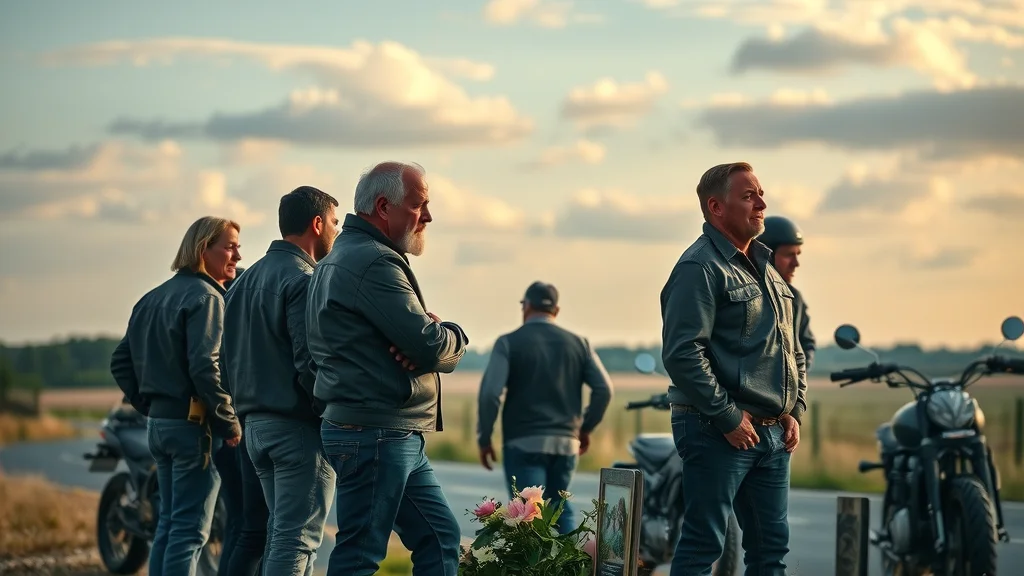
Biker culture is proud, resilient, and fiercely independent. While these characteristics inspire loyalty and camaraderie, they can also foster a code of silence around psychological injuries. Bikers are often expected to embody toughness and stoicism—even in the face of significant personal injury or traumatic stress disorder. The unwritten rule is clear: you handle your struggles on your own, and visible weakness is discouraged.
Sadly, this culture means that many bikers with PTSD or depression hide their suffering, refusing to seek help until symptoms become unbearable. Peer pressure can amplify feelings of shame or inadequacy, making it hard to acknowledge the overwhelming emotional trauma of a serious car accident or injury case. To truly promote mental health in the biker community, advocates must work to break down these barriers and normalize seeking both emotional and legal support after traumatic events.
Personal Injury Cases: Emotional Impact and Long-Term Effects
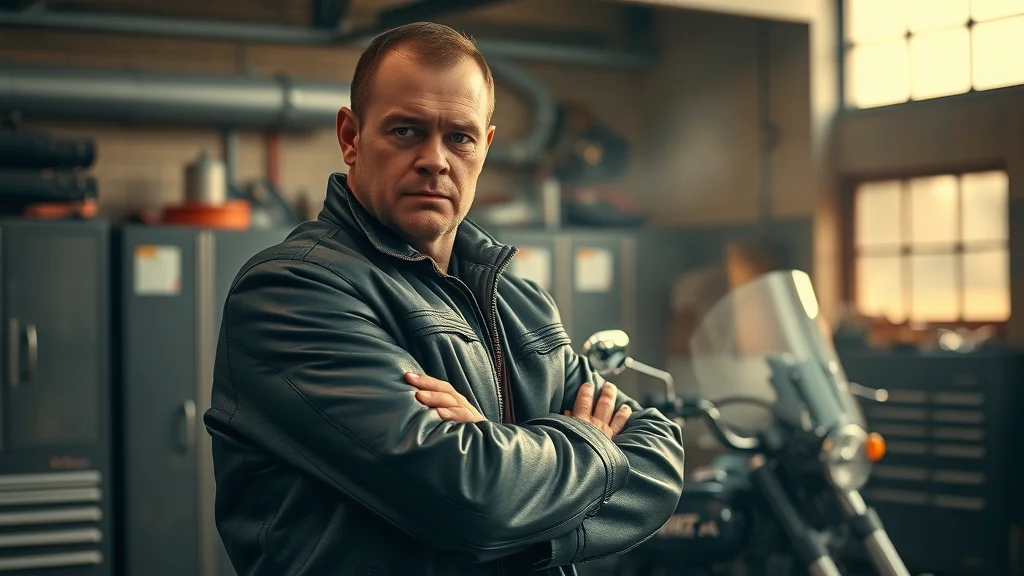
Recovery from a personal injury goes far beyond healing visible injuries. Many bikers report a profound sense of loss—of physical abilities, lifestyle, or identity—following a serious accident. Emotional trauma is frequently compounded by the complexity of a personal injury case, where victims feel trapped in a web of legal paperwork and insurance negotiations.
Long-term, the emotional toll of an accident can include lingering anxiety, sleep disturbances, chronic pain, and a diminished sense of purpose. These effects may last for years, straining relationships and undermining confidence on and off the road. Without proper intervention and community support, some bikers may turn to unhealthy coping mechanisms, such as isolation or substance misuse, further complicating recovery from both physical and psychological injuries.
Insurance Companies and Their Response to Psychological Injuries
When it comes to psychological injuries in personal injury claims, many bikers find themselves up against insurance companies that prioritize physical injuries and often undervalue the emotional trauma following a traumatic event. Settlements and compensation typically focus on visible physical harm, with little consideration given to the enormous psychological toll, such as anxiety, depression, or stress disorders. This means that crucial mental health treatments, like therapy or medication, may not be covered—even when they’re vital for recovery.
Insurance adjusters may demand extensive documentation to “prove” mental health impacts, making an already stressful process feel adversarial and invalidating. This system often leaves bikers feeling unrecognized and unsupported—the precise opposite of what’s needed for meaningful recovery after a car accident or personal injury case. Advocates suggest reforms to ensure that psychological injuries receive fair attention in personal injury claims, leveling the playing field for bikers experiencing invisible struggles.
"For many bikers, the real battle begins after the injuries heal."
Understanding the Connection Between Physical and Psychological Injuries
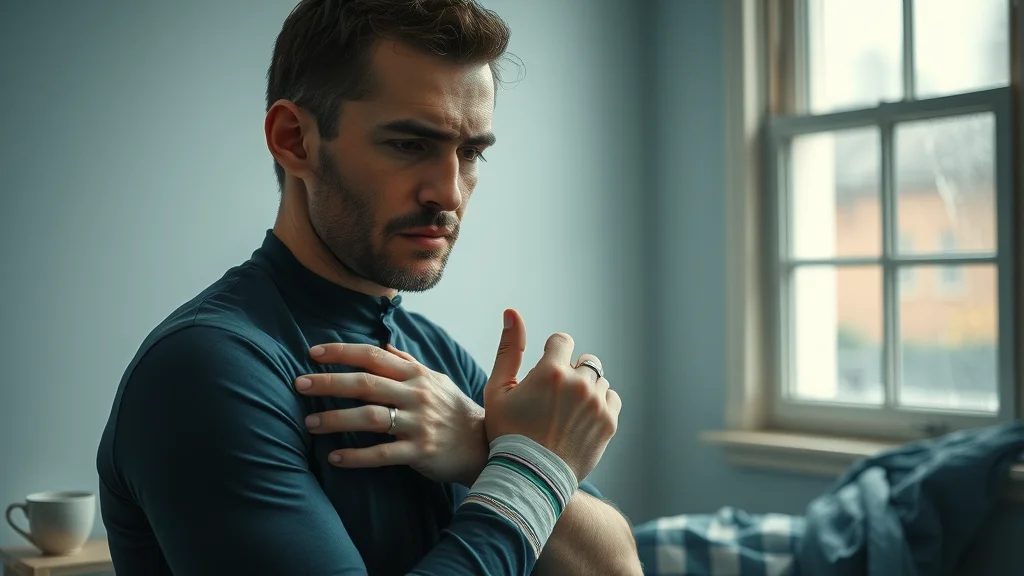
Managing Both Types of Injury in Personal Injury Cases
It’s common for bikers recovering from a car accident to assume that once their physical injuries mend, life will return to normal. Unfortunately, psychological injuries frequently linger, a reality that complicates recovery in personal injury cases. Addressing both physical injuries and psychological injuries simultaneously is essential. For example, individuals healing from broken bones or traumatic brain injury are at high risk of PTSD, anxiety, or depression, all of which can undermine the will or ability to complete physical rehabilitation.
This intersection is often overlooked by legal and medical teams alike, yet integrated, holistic care can help bikers reclaim their daily life faster and more fully. Personal injury lawyers, doctors, and mental health providers need a shared roadmap for managing the recovery process, recognizing warning signs of psychological harm, and connecting bikers with support as soon as possible.
Why Mental Health Should Not Be Overlooked After a Personal Injury Claim
Mental health is foundational to a successful recovery from any personal injury claim. When ignored, the invisible damage wrought by PTSD or depression may eclipse the progress made in healing visible wounds. It is not uncommon for bikers to feel isolated, misunderstood, or even dismissed by their own legal or support teams if their emotional needs aren’t addressed. Ignoring psychological injuries risks prolonging rehabilitation, increasing disability, and diminishing quality of life for years to come.
Advocates urge that every personal injury claim involving a biker should include comprehensive mental health screening and support—because healing only half the injury case isn’t healing at all. When bikers feel recognized and supported in both arenas, they’re far more likely to move forward with resilience, strength, and hope for the future.
| Physical Injuries | Psychological Injuries | Common in Bikers? |
|---|---|---|
| Broken bones, road rash | PTSD, anxiety, depression | Yes |
| Head trauma | Sleep disorders, substance abuse | Yes |
Personal Injury Claims: Addressing Traumatic Stress Disorder in Bikers
Navigating an Injury Claim with Psychological Injuries
Facing a personal injury claim after a motorcycle crash is daunting under any circumstances, but it’s even more challenging when psychological injuries are present. To build a strong case, bikers must document both physical harm and the psychological toll of their experience. This often involves reporting symptoms such as flashbacks, nightmares, ongoing fear, or social withdrawal to both medical providers and legal counsel. Doing so not only strengthens a legal claim but also ensures that compensation can be pursued for therapy, medication, and other mental health care needs.
Engaging an accident lawyer who understands the nuances of injury cases involving emotional trauma can be transformative. The best legal advocates will guide bikers through the intricacies of the claims process, offer compassionate support, and vigorously pursue recognition for all types of losses after a traumatic event. This comprehensive approach increases the odds of obtaining fair settlements that account for the true costs of psychological injuries—not just the visible damage.

Seeking Help for Traumatic Stress Disorders After Motorcycling Accidents
Recovery from traumatic stress disorder begins with acknowledgment and support. Mental health professionals advise bikers to watch for warning signs following a car accident, such as persistent nightmares, irritability, extreme avoidance, or hopelessness. If these symptoms persist beyond a few weeks or start to interfere with work or relationships, it’s critical to seek professional help.
Interventions can include individual therapy, support groups within the biker community, or medication to relieve severe anxiety and depression. Many personal injury claim settlements can and should cover mental health care—bikers must insist that their attorneys advocate for these needs. Healing from both visible and invisible wounds is possible, but it begins by validating the entire spectrum of the injury case in both legal and social settings.
Real stories from bikers discussing how they overcame PTSD and depression following motorcycle accidents, emphasizing the importance of community, therapy, and group recovery rides.
Strategies and Support: Managing PTSD and Depression in Bikers
List: Steps Bikers Can Take for Mental Health Recovery after a Personal Injury
- Connect with mental health professionals who have experience with motorcycle injury cases and trauma.
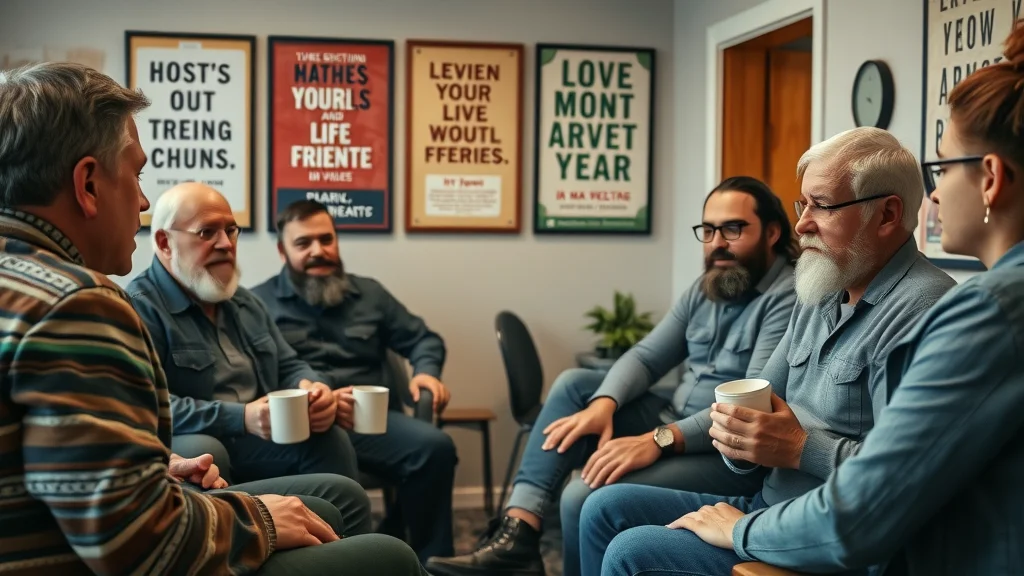
- Seek out peer support through established biker communities—shared stories can reduce stigma and expand your support network.
- Understand your rights in a personal injury claim, including coverage for psychological injuries—consult a specialized accident lawyer if needed.
- Practice self-care: maintain healthy routines, get plenty of sleep, and include gentle exercise as your body permits.
Recovery is a process, not an event. Surrounding yourself with informed allies and advocates makes it easier to move forward, even when progress feels slow.
Quotes from Experts and Advocates on Understanding the Invisible Struggles: PTSD and Depression in Bikers
"Legal and emotional support can help bikers reclaim their lives." – Personal Injury Case Specialist
Watch as experts and survivor-advocates discuss how a knowledgeable accident lawyer and mental health team together create a path to recovery for bikers dealing with psychological injuries.
People Also Ask: Questions About PTSD and Depression in Bikers
Can you have PTSD and depression at the same time?
Answer:
Yes, it is common for individuals, especially those involved in personal injury cases or car accidents, to experience both traumatic stress disorder and depression simultaneously. These psychological injuries often overlap—persistent anxiety, flashbacks, and emotional numbness may be compounded by the hopelessness and fatigue of depression. Integrated care from experienced professionals is key to long-term recovery.
How to get over motorcycle PTSD?
Answer:
Recovery from motorcycle PTSD usually requires a combination of professional therapy, medication where appropriate, and involvement with supportive peer groups. Engaging in safe, graduated riding or other activities can also help, as does pursuing a personal injury claim that recognizes and provides for mental health resources. Most importantly, early action and compassion greatly improve outcomes for bikers with PTSD.
Do 80% of motorcycle accidents result in death?
Answer:
No. While motorcycle accidents do present significant risks, the fatality rate is far below 80%. Most crashes result in non-fatal injury cases that frequently lead to psychological injuries like PTSD and depression. The focus on survival should include strategies to support both physical and mental health post-accident.
How to get out of PTSD depression?
Answer:
Exiting the cycle of PTSD and depression begins with seeking mental health treatment, support from loved ones and fellow bikers, and gradually returning to normal activities as recovery allows. Legal support for injury claims that cover therapy and counseling costs helps remove financial barriers to care. Early detection and a comprehensive, multifaceted support plan give bikers the best chance to restore balance and quality of life.
FAQs: Understanding the Invisible Struggles: PTSD and Depression in Bikers
What are common psychological injuries after a motorcycle accident?
The most frequently reported psychological injuries in bikers involve PTSD, anxiety, depression, sleep disorders, and substance abuse. Symptoms may include nightmares, flashbacks, emotional numbness, irritability, and detachment from friends or passions. Early intervention dramatically improves the chances of full recovery from a personal injury case.
What role can an accident lawyer play in personal injury cases involving psychological injuries?
A skilled accident lawyer helps ensure that psychological injuries receive equal weight alongside physical harm in a personal injury claim. They can document symptoms, include mental health treatments in the settlement, and fight for the compensation needed to cover therapy, medication, or other supportive interventions for emotional trauma.
How do insurance companies handle personal injury claims with mental health components?
Insurance companies are often reluctant to accept psychological injuries as valid components of a claim, demanding extensive proof or diminishing their value. However, persistent legal advocacy and detailed medical records can help break through resistance, ensuring fair compensation for both visible and invisible injuries.
Can trauma from personal injury cases resurface years later?
Answer:
Yes, unresolved trauma in bikers—especially from serious car accidents or personal injury cases—can resurface in the form of flashbacks, anxiety, or depression even years after the initial event. Ongoing mental health support and periodic check-ins are important for long-term well-being and full recovery.
Key Takeaways on Understanding the Invisible Struggles: PTSD and Depression in Bikers
- Understanding the invisible struggles: PTSD and depression in bikers is vital for improved outcomes in personal injury cases
- Psychological injuries often persist long after physical injuries heal
- Support systems and legal expertise can greatly facilitate recovery
Final Thoughts: Championing Awareness and Compassion for Bikers Facing Psychological Injuries
Awareness, acceptance, and comprehensive support can transform the recovery journey for bikers. Don’t let invisible injuries go unseen—champion mental health for every rider.

Explore Support Networks and Resources for Bikers Facing PTSD and Depression
If you or a loved one is struggling after a motorcycle accident, seek out local or online support groups, speak to professionals familiar with biker trauma, and connect with an accident lawyer who will fight for your whole recovery—not just your visible injuries.
To further expand your understanding of the broader landscape of motorcycle safety, mental health, and advocacy, consider exploring the wealth of resources and news available at Rider Safe News. There, you’ll find up-to-date information on injury prevention, legal developments, and community initiatives that empower bikers to protect both their bodies and minds. By staying informed and connected, you can play an active role in fostering a safer, more supportive environment for all riders. Take the next step in your journey—knowledge and community are powerful tools for healing and resilience.










Write A Comment